Start a Holistic Dental Care Routine That Supports Your Whole Health
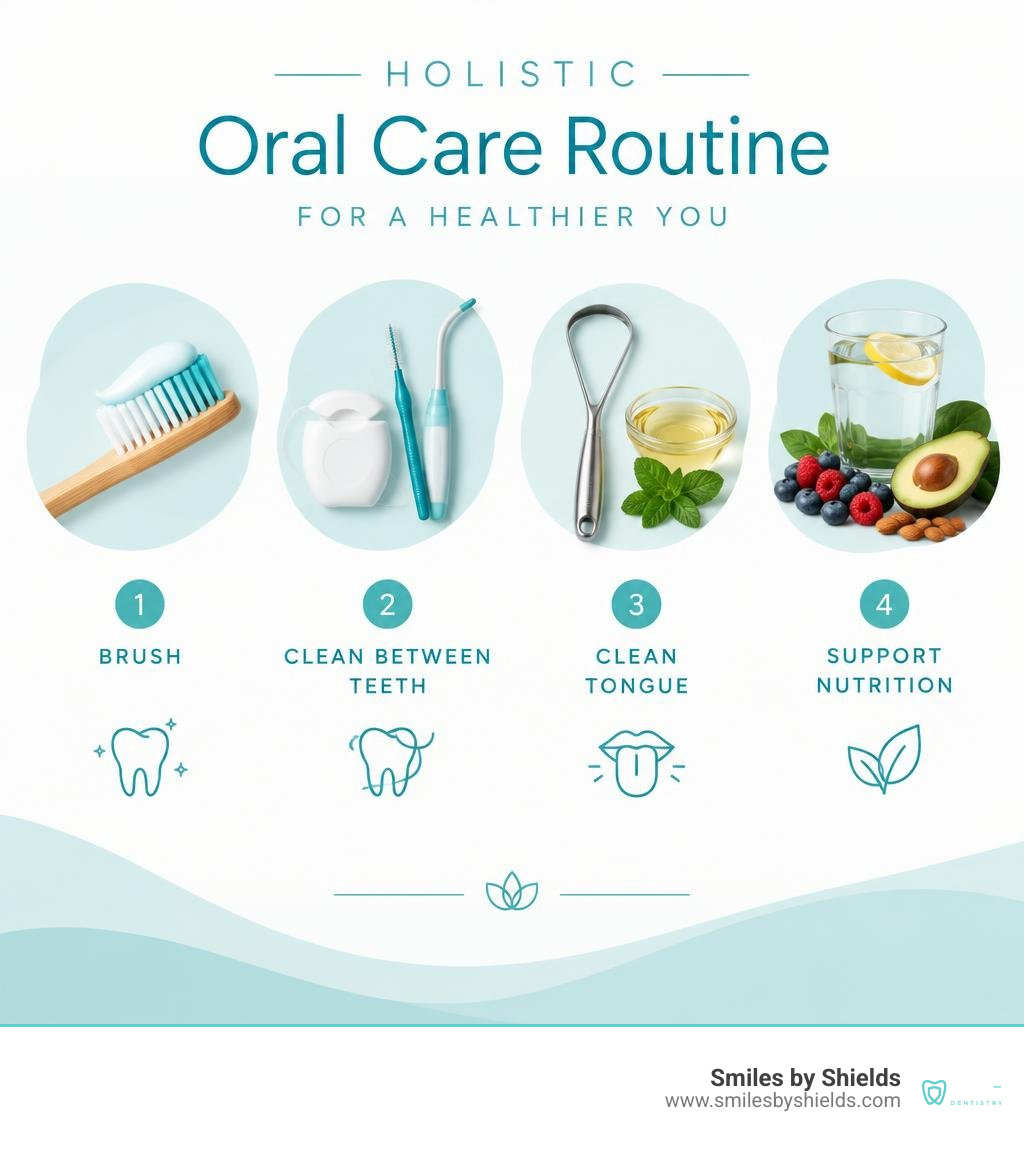
A holistic dental care routine combines effective plaque removal with gentle, biocompatible products and habits that support your teeth, gums, and oral microbiome. Start with these daily basics:
- Brush twice a day for two minutes with a soft-bristled brush and fluoride-free remineralizing toothpaste, such as one with hydroxyapatite.
- Clean between teeth daily with floss, interdental brushes, or a water flosser.
- Scrape your tongue in the morning and consider oil pulling before brushing.
- Limit frequent sugary and acidic snacks, drink water often, and keep up with professional dental visits.
The goal is not to replace proven dental care with trends. It is to build a lower-toxin routine that helps control plaque, protect enamel, support healthy gums, and consider how oral health connects to the rest of the body. For people who prefer fluoride-free products or have concerns about sensitivities and biocompatibility, this approach offers practical options worth discussing with a dentist.
I am Dr. Tiffany K. Shields, a Jacksonville dentist with training in biological and integrative dentistry, biocompatible materials, and personalized treatment planning. In this guide, I will help you create a realistic holistic dental care routine that fits your health needs and daily life.
Explore more about holistic dental care routine:
What Is Holistic Oral Care and How Does It Differ from Conventional Dentistry?

When we look at oral health through a biological lens, your mouth is never an isolated system. It functions as the gateway to your entire body. Conventional dentistry frequently relies on a “drill and fill” model, managing isolated symptoms using synthetic materials and chemical antimicrobials. In contrast, what is holistic dentistry centers on the philosophy that dental health directly affects—and is affected by—your overall physical well-being.
Practicing biological dentistry means we treat the root causes of oral imbalance rather than merely masking symptoms. We focus heavily on the oral microbiome, which is home to over 700 species of bacteria. Traditional antiseptic rinses often act like a scorched-earth treatment, indiscriminately wiping out both harmful microbes and beneficial strains that protect your oral tissues and produce nitric oxide for cardiovascular health.
A natural regimen respects this delicate ecosystem by promoting balance rather than sterilization. Understanding how holistic dentistry supports your overall health allows us to appreciate how chronic gum inflammation, toxic dental materials, or microbial dysbiosis can trigger systemic issues, including inflammation across cardiovascular and metabolic systems.
| Feature | Conventional Oral Care | Holistic Dental Care |
|---|---|---|
| Primary Philosophy | Symptom-based; focused strictly on isolated teeth and gums | Whole-body wellness; treats the oral-systemic connection |
| Remineralization Agent | Sodium fluoride / Stannous fluoride | Biomimetic Hydroxyapatite (HAp) & mineral-dense nutrition |
| Microbiome Approach | Broad-spectrum antimicrobial annihilation (alcohol, chlorhexidine) | Microbiome preservation, prebiotic support, and targeted balance |
| Material Safety | Standard dental composites, amalgams, synthetic additives | Biocompatible, non-toxic, BPA-free, and mercury-free alternatives |
| Plaque Control Strategy | Mechanical scraping and chemical rinses | Ultrasonic cleanings, ozone therapy, oil pulling, and gentle flossing |
| Nutritional Integration | Secondary consideration | Primary pillar (Fat-soluble vitamins D3, K2, mineral balance) |
Eliminating Harsh Chemicals and Fluoride
A cornerstone of natural oral hygiene is eliminating unnecessary synthetic ingredients that irritate delicate mucous membranes. Many conventional commercial toothpastes contain sodium lauryl sulfate (SLS), a harsh foaming detergent linked to recurrent canker sores, tissue peeling, and dry mouth. They often feature artificial food dyes, synthetic sweeteners like saccharin or aspartame, and microplastics.
There is also a strong clinical basis for why we choose not to use fluoride. While fluoride has historically been used to harden outer enamel, it carries potential systemic risks when swallowed over a lifetime, including fluorosis and potential thyroid interference.
Fortunately, modern biological science enables preventing tooth decay without harsh chemicals. By utilizing natural alternatives such as calcium phosphates, xylitol, and plant botanicals, you can strengthen tooth structures while eliminating systemic chemical exposure.
Step-by-Step Guide to a Daily Holistic Dental Care Routine
Creating an effective natural regimen is all about sequence and synergy. If you simply brush quickly and rinse with tap water, you miss opportunities to detoxify oral tissues and nourish your enamel.
Learning how to detox your mouth naturally is simple when you arrange your daily habits into an easy, rewarding morning and evening routine.
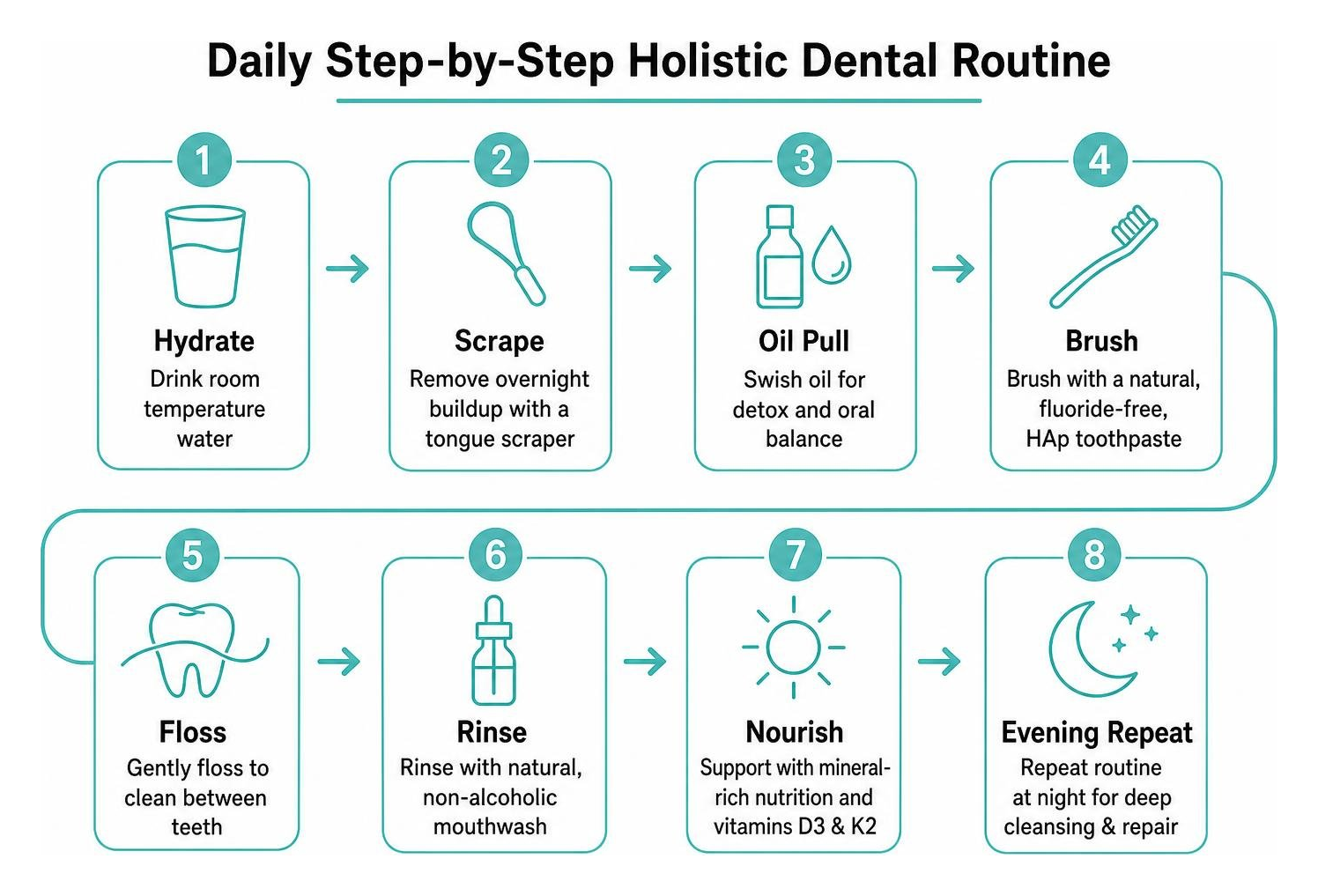
Morning vs. Evening Holistic Dental Care Routine
Your mouth faces different biological demands depending on the time of day:
- The Morning Ritual (Detox & Balance): During sleep, salivary flow drops significantly, creating a warmer, drier environment where bacteria multiply and metabolize overnight debris. Morning care should focus on eliminating built-up toxins before you eat breakfast or drink water, preventing you from re-swallowing metabolic waste.
- The Evening Ritual (Deep Cleaning & Remineralization): At night, your goal is meticulous mechanical plaque removal and leaving behind active mineral layers. Because saliva production slows while you sleep, applying remineralizing agents (like hydroxyapatite) before bed gives the active minerals uninterrupted hours to bond with tooth enamel.
Ancient Ayurvedic Practices: Oil Pulling and Tongue Scraping
Ayurvedic medicine has utilized oil pulling (kavala or gandusha) and tongue scraping (jihwa prakshalana) for thousands of years. Modern clinical dentistry confirms their biochemical benefits.
- Tongue Scraping: Your tongue’s surface is textured with tiny crypts that harbor up to 80% of the bacteria responsible for bad breath (halitosis) and plaque formation. Using a U-shaped pure copper or medical-grade stainless steel tongue scraper in the morning takes just seconds—far faster than waiting in a drive-thru line. Gently sweep from the back of the tongue forward 3 to 5 times. Scraping physically lifts volatile sulfur compounds (VSCs) and dead cellular debris, clearing taste receptors and freshening your breath without irritating the tongue’s papillae.
- Oil Pulling: Swish one tablespoon of unrefined, organic virgin coconut oil (or sesame oil) gently between your teeth and around your gums for 5 to 15 minutes. Coconut oil contains high concentrations of lauric acid, a proven antimicrobial fatty acid. As you swish, the plant lipids bind to the fatty outer membranes of oral microbes, pulling them from hard-to-reach pockets. When finished, spit the oil into a trash can (never down the drain, to prevent clogged plumbing!), and rinse thoroughly with warm water.
Natural Whitening and Botanical Antiseptics
You do not need harsh bleaching trays or abrasive silica pastes to brighten your smile. Food-grade hydrogen peroxide serves as a gentle, non-toxic oxidizing agent that safely lifts organic stains from enamel surfaces without stripping the protective mineral layer.
Pairing gentle oxidizers with time-tested botanical oils creates a powerful defense against periodontal pathogens:
- Organic Neem Bark: Known in Ayurvedic traditions as the “toothbrush tree,” neem inhibits bacterial adhesion, preventing plaque from sticking to the teeth.
- Clove Bud Oil: Rich in eugenol, clove delivers natural analgesic and anti-inflammatory properties that calm irritated gum margins.
- Tea Tree & Peppermint Oils: These essential oils provide broad antimicrobial support against anaerobic bacteria while leaving behind a crisp, clean taste.
Key Ingredients and Tools for Natural Enamel and Gum Health
A truly restorative routine pairs high-performance, non-toxic formulations with modern mechanical cleaning tools.
Essential Tools for Your Holistic Dental Care Routine
To clean interdental spaces where tooth decay and gum disease usually take root, equip your bathroom with these biocompatible tools:
- Sonic Electric Toothbrush with Soft Bristles: Sonic vibration technology creates micro-bubbles that help disrupt plaque biofilms, even slightly beyond where the bristle tips touch. Choose brushes with plant-based or ultra-soft bristles to protect gum margins from irritation and recession.
- Water Flosser / Interdental Pocket Irrigator: Water flossers use pressurized streams of water to flush food particles and bacteria from periodontal pockets. Cordless and countertop models can help clean hard-to-reach areas and may be especially useful for people with inflamed gums, braces, bridges, or implants.
- Expanding Floss: Traditional floss can sometimes slide past plaque without gripping it well. Expanding floss gently widens between the teeth, helping sweep away buildup along tight contact points and vulnerable interproximal enamel surfaces. Some expanding flosses may also be infused with beneficial ingredients, such as hydroxyapatite, xylitol, or soothing botanicals, for added support between teeth.
Hydroxyapatite: The Science-Backed Alternative to Fluoride
Hydroxyapatite (HAp) is a biocompatible calcium phosphate compound. It is not an artificial chemical; hydroxyapatite makes up 97% of your natural tooth enamel and 70% of your underlying dentin.
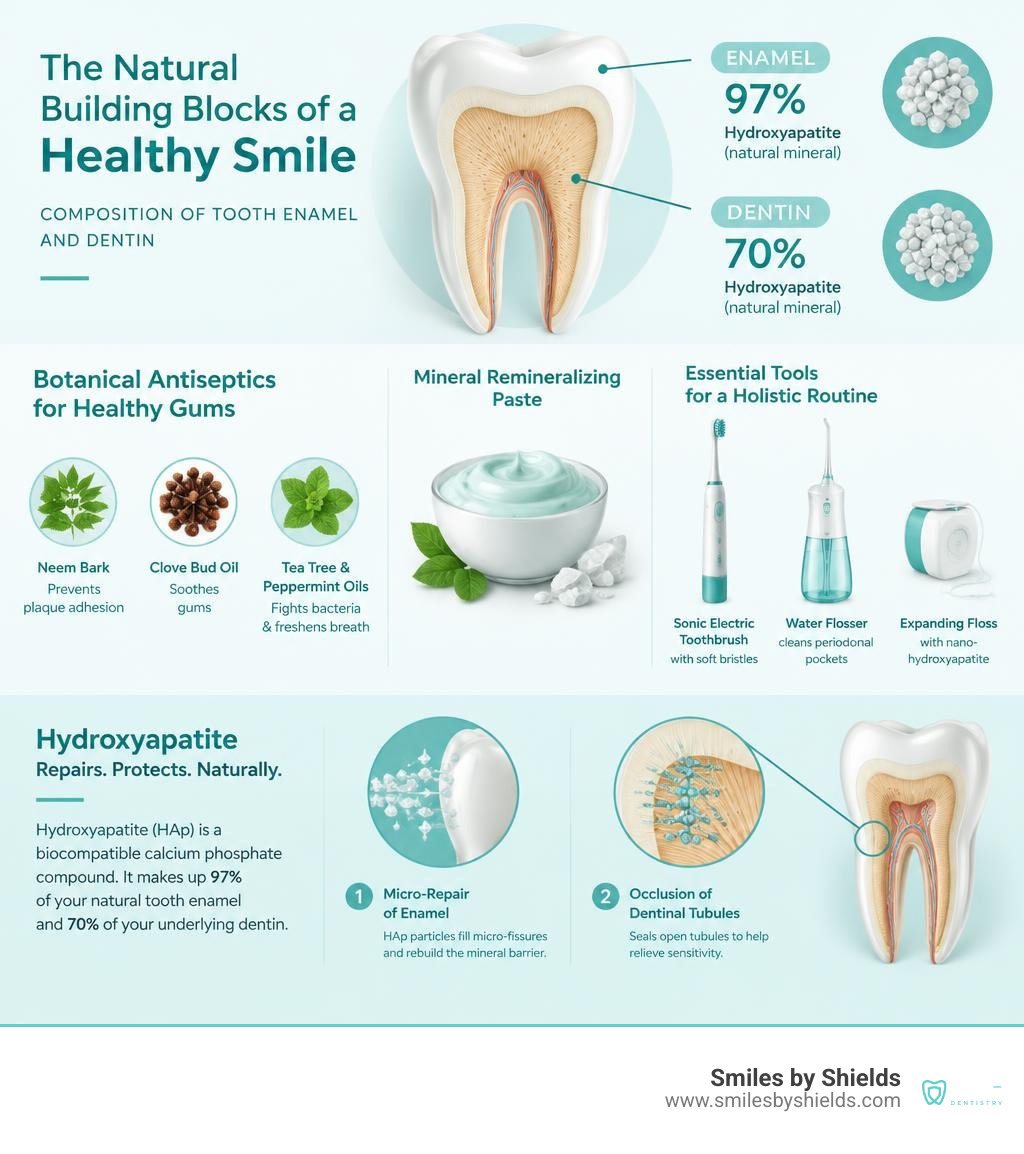
When enamel faces acid attacks from food or bacteria, it loses calcium and phosphate ions (demineralization). Hydroxyapatite toothpastes supply these exact native minerals in a biomimetic form.
Here is how hydroxyapatite repairs and protects your smile:
- Micro-Repair of Enamel: HAp particles directly integrate into micro-fissures and microscopic enamel surface lesions, rebuilding the protective mineral barrier naturally.
- Occlusion of Dentinal Tubules: Tooth sensitivity happens when microscopic tubes in the dentin become exposed to hot, cold, or acidic stimuli. Hydroxyapatite crystalline particles plug and seal these open tubules, providing lasting relief from tooth sensitivity.
- Bacterial Anti-Adhesion: Rather than poisoning bacteria chemically, hydroxyapatite binds directly to bacterial cell walls during brushing, washing them away when you spit.
Systemic Wellness: Supporting Dental Health from the Inside Out
Topical brushing and flossing represent only half of the dental health equation. Your teeth are living organs connected to your bloodstream and skeletal system. True oral vitality requires understanding the role of nutrition in dental health to nourish your teeth through the internal dentinal fluid flow.
Consuming a whole-food diet full of healthy food options to improve oral health naturally provides the structural building blocks your body needs to rebuild bone and enamel every day.
Fat-Soluble Vitamins: D3 and K2
Calcium cannot protect your teeth if your body does not know where to direct it. This is where fat-soluble vitamins become vital:
- Vitamin D3: Regulates calcium absorption through your intestines, ensuring adequate mineral levels are present in your bloodstream.
- Vitamin K2 (specifically MK-7): Acts as the biological traffic controller. Vitamin K2 activates osteocalcin, a specialized protein that pulls free calcium out of your bloodstream and binds it directly into your bones and teeth. It also activates Matrix GLA Protein (MGP), preventing calcium from depositing in soft tissues like your arteries and salivary glands (which reduces tartar formation).
- Systemic Therapies: If you have digestive absorption challenges or nutritional deficiencies, exploring therapies like IV nutritional therapy can replenish critical minerals and vitamins systemically.
Oral Probiotics and Salivary pH
Your saliva is your mouth’s natural defense shield. It contains enzymes, immunoglobulins, and bicarbonate buffers that neutralize bacterial acids and bathe teeth in remineralizing minerals.
To maintain a healthy oral pH (ideally between 7.0 and 7.4):
- Incorporate Xylitol: Xylitol is a natural birch-derived 5-carbon sugar alcohol. Cavity-causing bacteria (Streptococcus mutans) consume xylitol but cannot digest it, which starves the harmful bacteria and reduces their levels by up to 40%. Xylitol also stimulates resting salivary flow, preventing dry mouth and raising oral pH.
- Oral Probiotic Lozenges: Using dissolvable lozenges containing beneficial strains like Streptococcus salivarius (K12 and M18) helps crowd out inflammatory pathogens, protecting your gum health and balancing the oral microbiome.
Professional Treatments That Complement Your At-Home Routine
Even the most dedicated home hygiene routine requires professional support. In our Jacksonville, Florida practice, we integrate advanced clinical technologies with biological wellness therapies to keep your smile healthy.
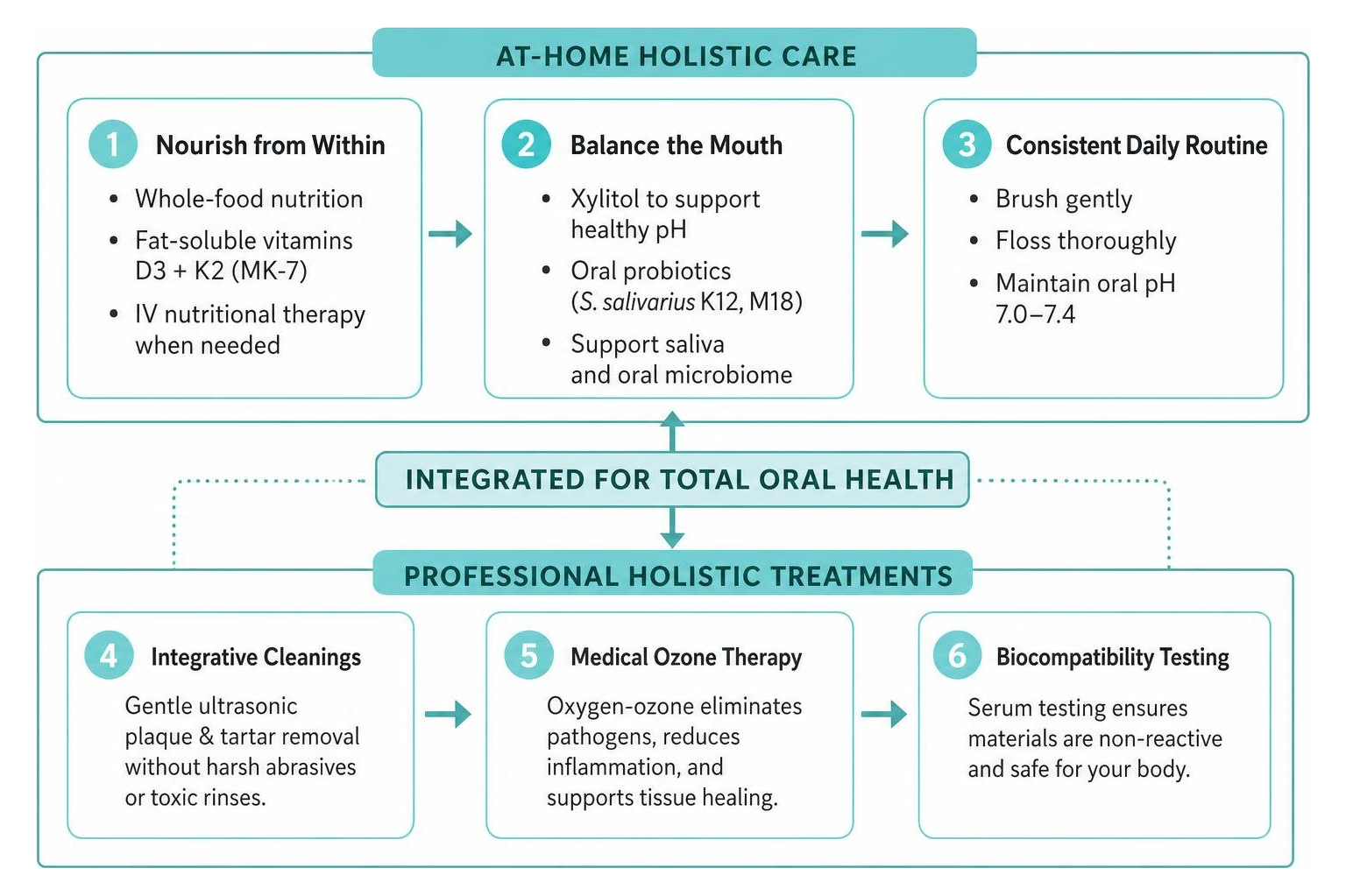
- Integrative Cleanings: Our holistic dental cleanings prioritize gentle, ultrasonic plaque and tartar removal without gritty synthetic polishing pastes or toxic fluoride rinses.
- Medical Ozone Therapy: Applying pure oxygen-ozone gas or ozonated water penetrates deep into periodontal pockets, eliminating pathogenic bacteria, fungi, and viruses on contact while stimulating local blood circulation and tissue healing. You can explore understanding ozone therapy to see how this natural treatment calms sensitive teeth and helps reverse early gum inflammation.
- Biocompatibility Testing: Everyone’s immune system is unique. Through dental biocompatibility testing for safe materials, we run serum testing to verify that any restorative resin, ceramic, or bonding agent placed in your mouth is non-reactive and completely safe for your body.
Frequently Asked Questions About Holistic Oral Care
How does hydroxyapatite compare to fluoride for cavity prevention?
Multiple clinical studies confirm that nano-hydroxyapatite performs identically to conventional fluoride in remineralizing early enamel lesions and preventing cavities. However, unlike fluoride, hydroxyapatite is 100% biocompatible, non-toxic if swallowed, and mimics the natural mineral matrix of your teeth without risking dental or skeletal fluorosis.
Is daily oil pulling safe for dental crowns and fillings?
Yes, oil pulling is completely safe for dental restorations, crowns, veneers, and composite fillings. The gentle swishing motion creates no structural pressure, and plant oils like coconut or sesame do not dissolve modern dental bonding agents. Oil pulling simply lifts surface bacteria and lubricates surrounding gum tissues.
How quickly can someone see results from a natural oral routine?
Many people notice distinct improvements within one to two weeks of starting a comprehensive holistic routine. The earliest changes usually include noticeably fresher morning breath, smoother enamel surfaces (a “just-cleaned” feel), reduced gum sensitivity or bleeding during flossing, and natural surface stain removal.
Conclusion
Transforming your dental care is about honoring the connection between your mouth and your body. By swapping harsh synthetic chemicals for biomimetic minerals, balancing your oral microbiome with oil pulling and tongue scraping, and nourishing your teeth with essential vitamins, you create a foundation for lifelong health.
If you are in the Jacksonville, Florida area and want to experience non-toxic, whole-body biological dentistry, we invite you to schedule a consultation to explore what holistic dentistry can do for your smile. Let us help you create a personalized dental wellness plan that nurtures your teeth, your smile, and your overall vitality.