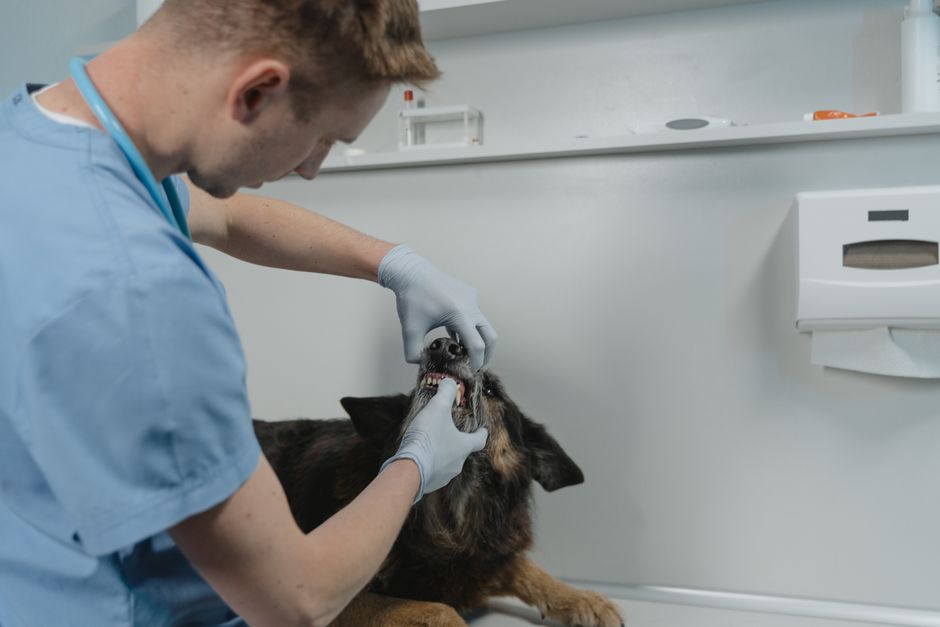
Holistic Dental Care for Dogs Starts With Prevention
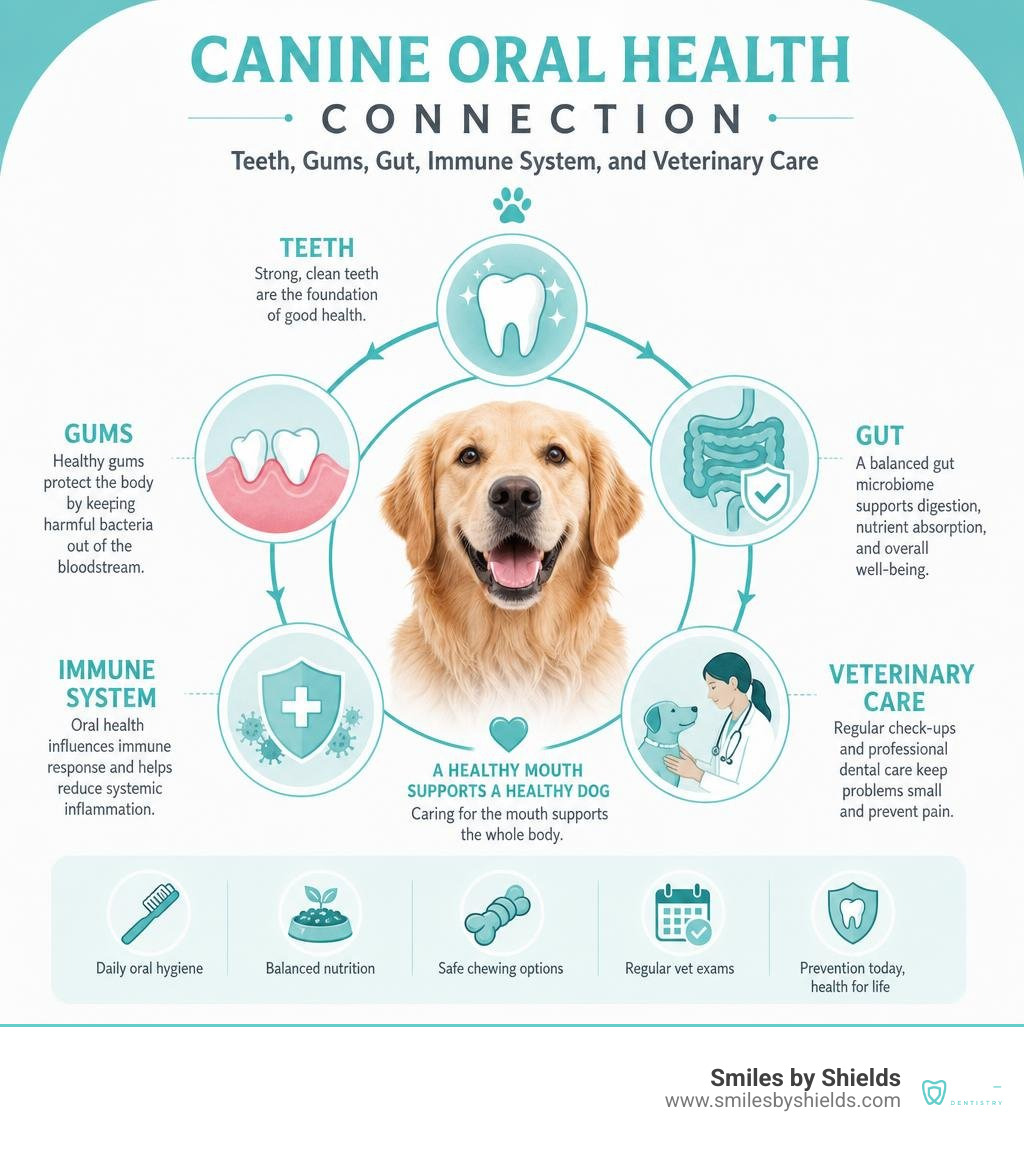
Holistic dental care for dogs combines daily oral hygiene, balanced nutrition, safe chewing options, and regular veterinary exams to support healthy teeth, gums, digestion, and overall wellness. It does not replace veterinary treatment when a dog has pain, infection, loose teeth, or advanced gum disease.
- Why it matters: More than 80% of dogs develop dental disease by age 3.
- What to watch for: Bad breath, tartar, red gums, drooling, face pawing, and trouble eating are not normal signs of aging.
- What holistic care means: Focus on prevention, gentle home care, microbiome support, appropriate diet, and veterinary-guided treatment when needed.
- The key goal: Reduce plaque before it hardens into tartar and causes painful periodontal disease.
A dog’s mouth is part of its whole body. Gum inflammation and oral bacteria can add to the body’s inflammatory burden, while diet, gut health, and immune function may also influence the oral environment. This guide explains where natural care can help, where it has limits, and when professional veterinary dental care is essential.
I am Dr. Tiffany K. Shields, a Jacksonville dentist with a background in microbiology and an integrative approach to oral health and whole-body wellness. While veterinary diagnosis and treatment belong with a licensed veterinarian, my work in biological dentistry informs this guide to the oral-systemic principles behind holistic dental care for dogs.
Why Holistic Dental Care for Dogs Matters for Total-Body Wellness
At Smiles by Shields, we know that what happens in the mouth never stays in the mouth. Just as in humans, a dog’s teeth and gums are directly linked to their internal organ health, systemic immune system, and digestive vitality. To learn more about how oral health influences bodily health in general, explore our guide on Dental Health and Total Body Care.
When plaque sits on a dog’s teeth, bacteria multiply rapidly. Over time, plaque hardens into mineralized calculus (tartar), causing inflammation of the gum tissue known as gingivitis. Left unchecked, this progresses to periodontal disease. Red, inflamed gums create “leaky” tissue margins where bacteria enter the canine bloodstream and travel directly to major organ systems.
Chronic oral infections put heavy stress on:
- The Heart: Oral bacteria can settle on heart valves, causing inflammation and cardiac strain.
- The Kidneys and Liver: These organs continuously filter metabolic waste and bacteria from the blood; chronic oral infection forces them into overdrive.
- The Immune System and Gut Axis: A diseased mouth constantly swallows harmful microbes into the stomach and intestinal tract, disrupting the delicate balance of the gut microbiome and driving chronic low-grade systemic inflammation.
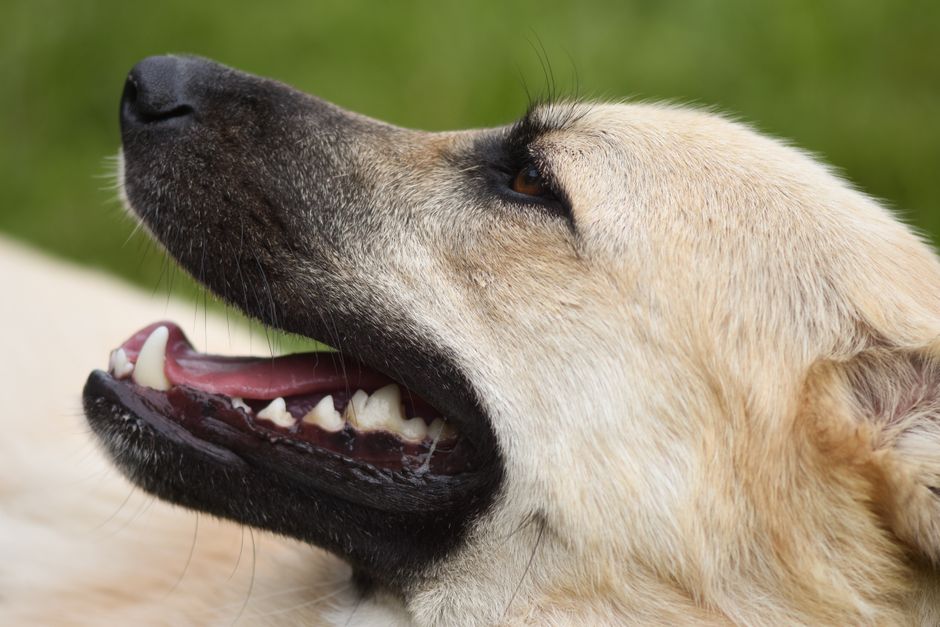
Maintaining a healthy oral microbiome is essential for keeping these systemic barriers intact. If you would like to read more about these connections across living organisms, check out our insights on How Your Dental Health is Tied to Overall Health.
Recognizing Signs of Canine Dental Disease
Recognizing the subtle warning signs of dental disease early can save your pup from unnecessary pain and expensive emergency care. Many dog parents mistake foul breath as just a quirky canine trait, but halitosis is actually a sign of bacterial imbalance.
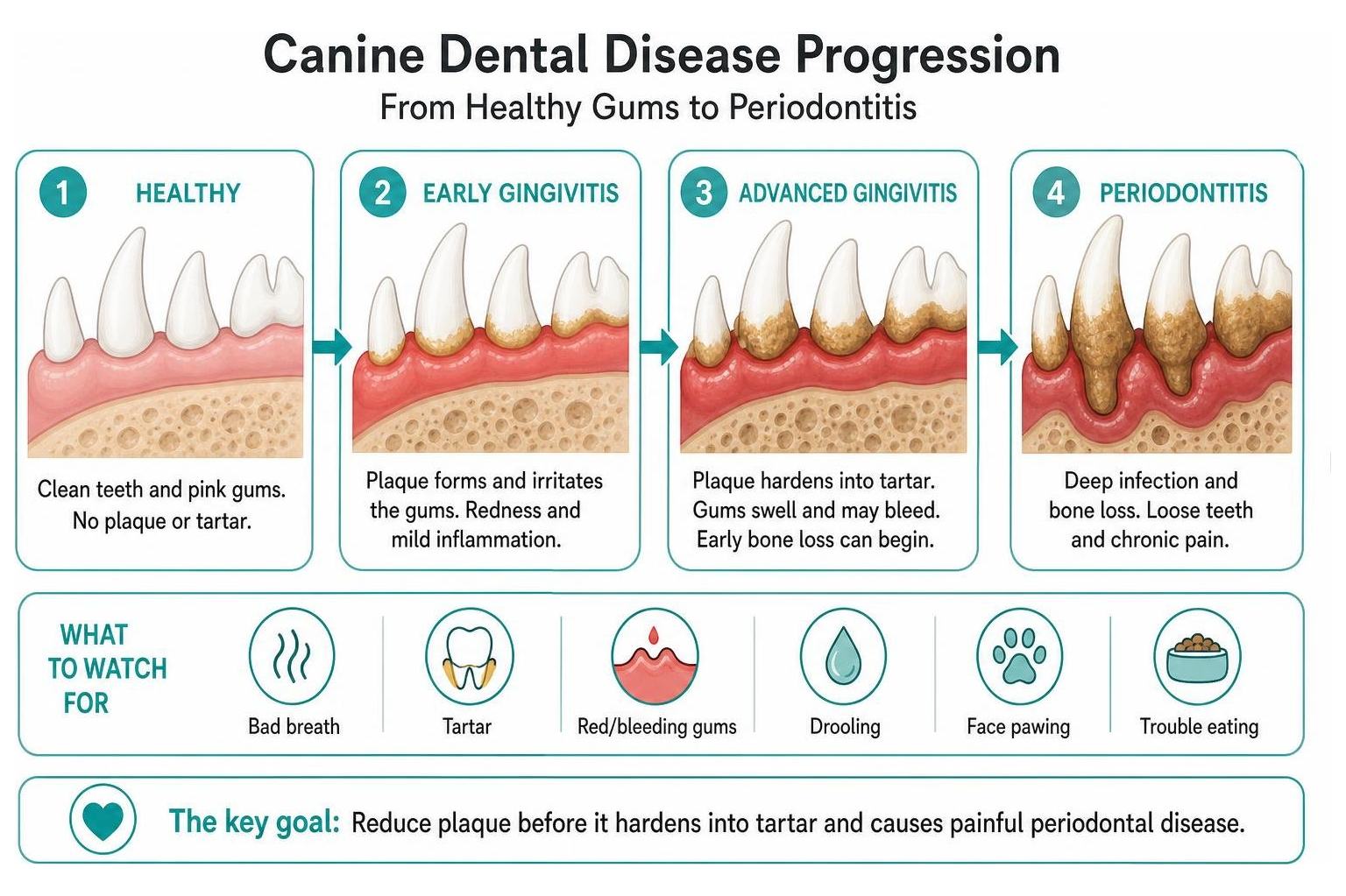
Watch out for these common warning signs of canine periodontal issues:
- Persistent bad breath: Strong, foul, or metallic-smelling breath caused by volatile sulfur compounds.
- Yellow or brown tartar: Hardened crust along the upper gum line, especially on rear molars and canines.
- Red, swollen, or bleeding gums: Inflammation that bleeds easily when touched or while chewing toys.
- Excessive drooling: Paws or muzzle wet with thick or tinged saliva.
- Face pawing or rubbing: Rubbing the snout against carpet or furniture due to localized pressure and discomfort.
- Eating difficulties: Dropping kibble, chewing on only one side of the mouth, or outright refusing hard food and chew toys.
5 Natural Pillars of Holistic Canine Oral Hygiene
Building a robust natural strategy for holistic dental care for dogs involves multi-layered daily habits that target the root causes of plaque rather than simply masking odors.
The Role of Diet and Raw Meaty Bones
Nutrition is the bedrock of oral and systemic health. Highly processed commercial kibble is frequently loaded with refined carbohydrates and starches. As your dog chews, these sticky carbs break down into simple sugars right inside the oral cavity, acting as fuel for tartar-building bacteria.
To learn more about how dietary choices shape teeth and gums, read our article on The Role of Nutrition in Dental Health as well as our detailed overview of The Best Diet for Optimal Oral Health.
A species-appropriate fresh food diet—whether fresh cooked or raw—helps reduce carbohydrate residues in the mouth. Additionally, incorporating raw meaty bones offers biological advantages:
- Mechanical scraping: Raw bones act like natural dental floss and scrubbers, scraping plaque off premolars and molars.
- Salivary stimulation: Natural chewing triggers abundant saliva production, which contains natural enzymes that bathe teeth and buffer oral acids.
Safety Guidelines for Bone Feeding:
- NEVER feed cooked or smoked bones: Cooking makes bones brittle, leading to dangerous splintering, mouth lacerations, or life-threatening bowel perforations.
- Match size appropriately: Small dogs (like Chihuahuas) do best with raw chicken wings or necks; medium to large dogs require raw lamb shanks, turkey necks, or beef rib bones.
- Limit frequency: Feeding raw bones 2 to 3 times per week is generally optimal to protect teeth without causing digestive constipation.
Natural Supplements and Ingredients for Holistic Dental Care for Dogs
Alongside diet, functional natural supplements offer systemic support by altering saliva composition to prevent plaque from adhering to tooth enamel.
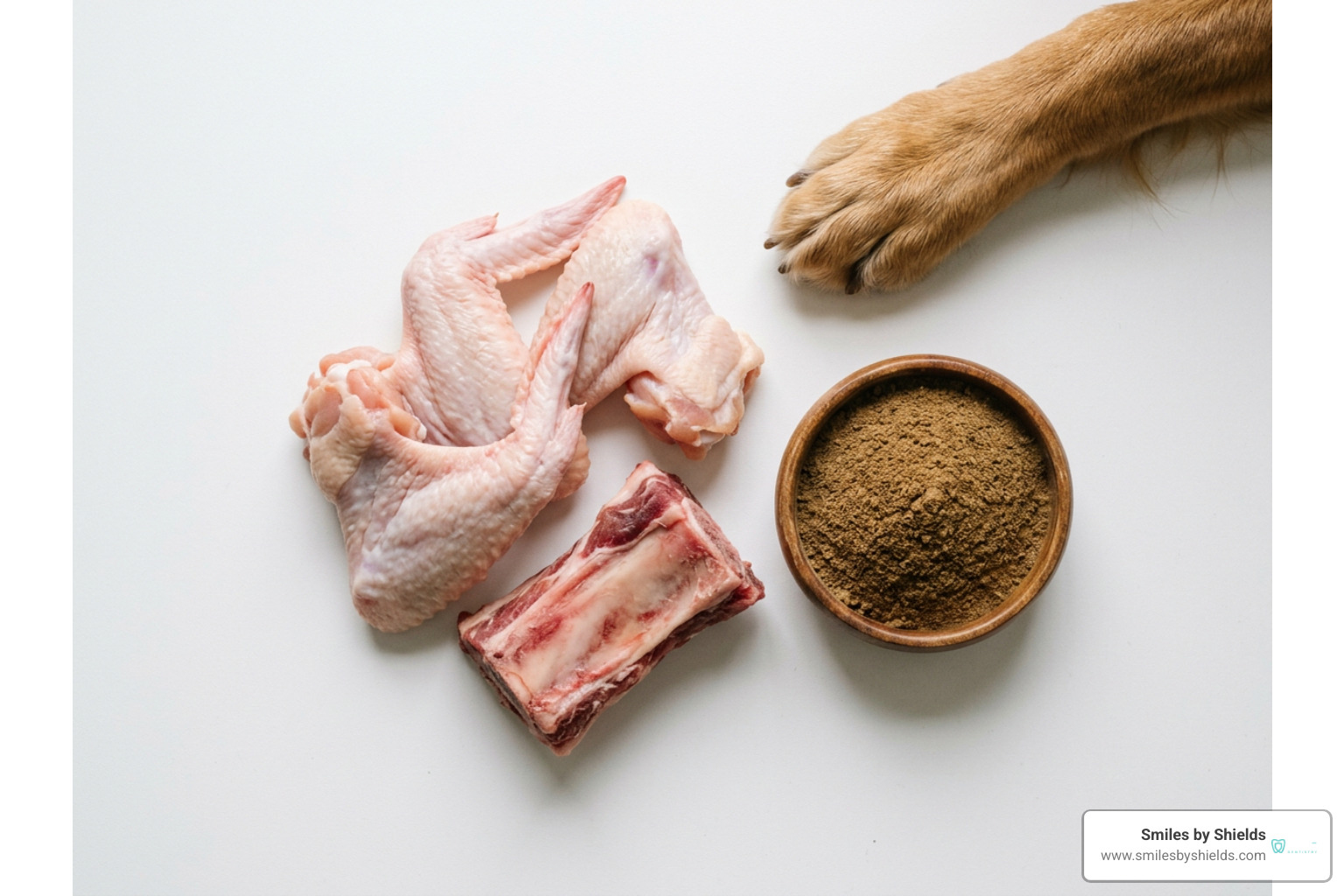
- Norwegian Kelp (Ascophyllum nodosum): This brown algae is rich in specific micronutrients absorbed into the bloodstream that modify salivary chemistry. In double-blind clinical studies, dogs receiving kelp experienced up to 40% less plaque buildup and over 20% greater plaque reduction compared to brushing alone!
- Probiotics and Postbiotic Powders: Introducing beneficial oral strains (such as Lactobacillus species or postbiotic fermentation compounds) competes directly against sulfur-producing bacteria. For more on how beneficial microbes preserve enamel integrity, read Probiotics to Prevent Cavities.
- Green Tea Extract and Rosemary: Rich in natural antioxidants, these polyphenols soothe delicate gum tissues and neutralize oxidative stress in oral tissues.
- Organic Coconut Oil: Contains lauric acid, a natural fatty acid with antimicrobial properties that gently reduces oral bacterial load. Find additional food ideas in our guide to Healthy Food Options to Improve Oral Health Naturally.
Toxic Ingredients to Avoid
When choosing natural pet oral products, always scrutinize ingredient labels. Many human products or cheap pet additives contain chemicals and sweeteners that are toxic to pets.
- Xylitol (Birch Sugar): Extremely toxic to dogs! Even microscopic amounts trigger rapid insulin release, leading to severe hypoglycemia and acute liver failure. Read Xylitol and Your Dental Health to learn why this ingredient requires extra caution in multi-pet homes.
- Artificial Dyes and Chemical Preservatives: Avoid FD&C colors, BHA, BHT, or synthetic chemical foaming agents (like Sodium Lauryl Sulfate) that can irritate canine mucous membranes.
Professional Dental Care: Anesthesia, Non-Anesthetic Scaling, and Holistic Protocols
While daily home care forms the foundation of prevention, professional intervention is sometimes necessary to manage advanced calculus or hidden subgingival disease. Discover how gentle, non-toxic techniques apply to biological dentistry by checking out Holistic Dental Cleanings.
Anesthesia-Free Cleaning vs Professional Anesthetic Cleanings
Anesthesia-free teeth cleaning ( cosmetic hand-scaling) has gained popularity among pet parents seeking to avoid general anesthesia. However, it is essential to understand both its advantages and its limitations.
| Feature / Aspect | Anesthesia-Free Dental Scaling | Full Professional Anesthetic Dental Cleaning |
|---|---|---|
| Primary Focus | Cosmetic plaque removal above the gum line | Deep subgingival cleaning & pathology diagnosis |
| Diagnostic Capabilities | None (cannot perform intraoral X-rays) | Full intraoral digital X-rays to check root health |
| Airway Protection | None (risk of bacteria/water inhalation) | Intubation secures airway completely from debris |
| Pet Stress Level | Requires animal to remain restrained while awake | Zero stress or physical movement during procedure |
| Best Used For | Gentle maintenance in calm dogs with mild surface tartar | Stage 2 to 4 periodontal disease, extractions, root damage |
Cosmetic hand-scaling cannot address the space underneath the gum line where destructive bacteria do the most damage to bone and periodontal ligaments. For dogs with established periodontal disease, full veterinary dental procedures under general anesthesia remain necessary.
Pre- and Post-Procedure Holistic Remedies
If your dog requires a veterinary dental procedure under anesthesia, holistic protocols can help support a smoother recovery.
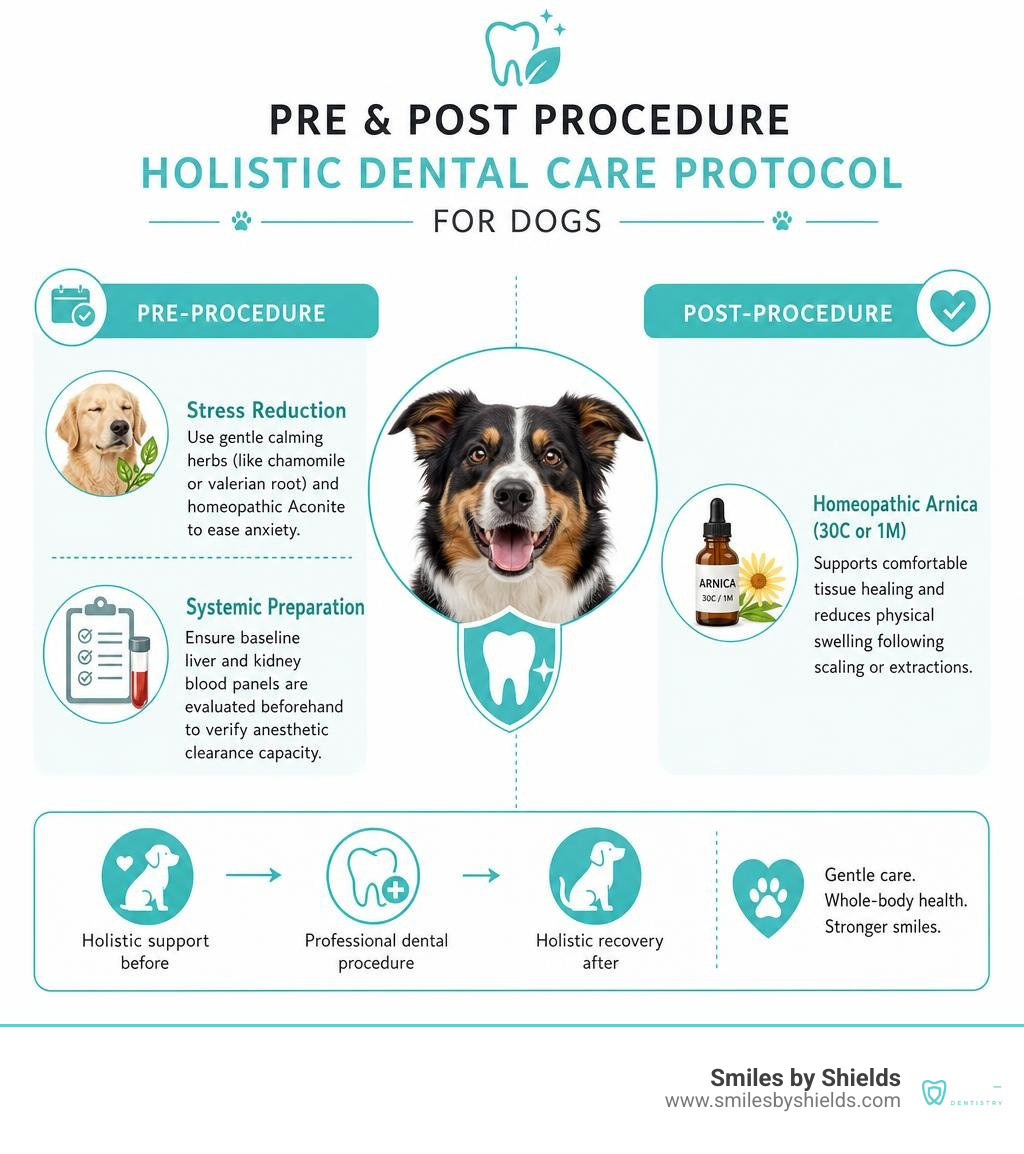
- Pre-Procedure Support:
- Stress Reduction: Use gentle calming herbs (like chamomile or valerian root) and homeopathic Aconite to ease anxiety before entering the clinic environment.
- Systemic Preparation: Ensure baseline liver and kidney blood panels are evaluated beforehand to verify anesthetic clearance capacity.
- Post-Procedure Recovery:
- Homeopathic Arnica (30C or 1M): Supports comfortable tissue healing and reduces physical swelling following scaling or extractions.
- Homeopathic Chamomilla: Comforts dogs that feel irritable or sensitive after waking up from anesthesia.
- Liver & Organ Detoxification: Administer Milk Thistle (Silybum marianum) for 1 to 2 weeks post-procedure to assist the liver in processing anesthetic medications.
- Microbiome Restoration: If post-procedure antibiotics were prescribed by your veterinarian, follow up with canine-specific probiotics to restore intestinal and oral flora.
Essential Daily Routine for Maintaining Your Dog’s Teeth
Establishing an easy daily oral routine keeps teeth clean while building trust with your dog.
Step-by-Step Tooth Brushing for Holistic Dental Care for Dogs
Daily mechanical brushing remains the gold standard for controlling plaque buildup before it hardens. You can explore similar preservative-free concepts in our article on Preventing Tooth Decay Without Harsh Chemicals.
Here is a step-by-step approach to keep brushing stress-free:
- Taste Desensitization: Allow your dog to lick organic coconut oil off your finger for several days so they look forward to session time.
- Mouth Handling: Softly lift your dog’s lips and gently rub their outer gums with your finger wrapped in soft gauze. Reward them immediately with praise.
- Introduce the Brush: Use a ultra-soft finger brush or a human sonic electric toothbrush (using a small, soft head). Many dogs accept sonic vibrations surprisingly well!
- Target the Outer Surfaces: Focus primarily on the outer tooth surfaces where tartar accumulates most rapidly. You don’t need to force the mouth wide open—just slip the brush under the upper lip along the gum line.
- Keep Sessions Brief: Aim for 30 to 60 seconds per side. Always end on a positive, happy note!
Microbiome Maintenance and Daily Additives
For busy pet parents, combining physical brushing with passive daily additives ensures round-the-clock protection:
- Sprinkle-On Postbiotic Powders: Simple 10-second daily meal toppers containing brown kelp and postbiotics continuously balance oral microbes. Over 90% of pet owners report cleaner-looking teeth within 4 to 6 weeks of consistent use!
- Water Additives: Organic, alcohol-free botanicals added directly to your dog’s water bowl help inhibit volatile sulfur compounds throughout the day. Discover similar home concepts in our guide on How to Detox Your Mouth Naturally.
Frequently Asked Questions About Canine Dental Health
Can raw bones completely replace tooth brushing for my dog?
While raw meaty bones offer excellent mechanical cleaning for rear molars and premolars, they rarely make full contact with front incisors or slender canine teeth. Therefore, combining bone chewing with light finger-brushing or daily dental powders offers complete, balanced oral protection.
How quickly can natural dental powders show results in dogs?
Most dog owners notice significantly fresher breath within 2 to 3 weeks of daily use. Visible reduction in plaque softness and tartar clearance typically becomes noticeable within 4 to 6 weeks as active kelp enzymes break down bacterial adhesion.
Why is dog bad breath a warning sign rather than normal?
Foul dog breath is caused by volatile sulfur compounds produced by colonies of anaerobic bacteria breaking down organic debris in an imbalanced oral environment. Healthy canine breath should be relatively neutral; persistent odor indicates localized infection or gut flora imbalance that warrants attention.
Conclusion
Taking a proactive, whole-body approach to holistic dental care for dogs helps preserve bright smiles, sweet breath, and long-term vitality. By combining species-appropriate fresh nutrition, raw chewing options, natural kelp and probiotic supplements, and routine veterinary checkups, you protect your dog’s total-body health from the inside out.
At Smiles by Shields in Jacksonville, Florida, our passion centers on biological wellness and non-toxic, total-body health principles. To learn more about our philosophy on biological dental hygiene for human family members, read our guide on What is Holistic Dentistry? or contact us today to learn how holistic practices elevate whole-family health!