Dental Caps for Teeth: What They Do and How to Get One
A dental cap, also called a crown, covers a damaged or weakened tooth to restore its shape and help protect it. If you think you need one, start with a dental exam. Your dentist can check whether a crown is the right choice, discuss materials with you, and explain whether you will need a temporary crown while the final one is made. Dental caps for teeth are a common restorative solution when a tooth needs full-coverage protection.
I’m Dr. Tiffany K. Shields, owner and lead dentist at Smiles By Shields in Jacksonville, where I take an individualized, integrative approach to restorative care. My training at the University of Florida College of Dentistry shapes how I help patients understand their options for dental caps for teeth.
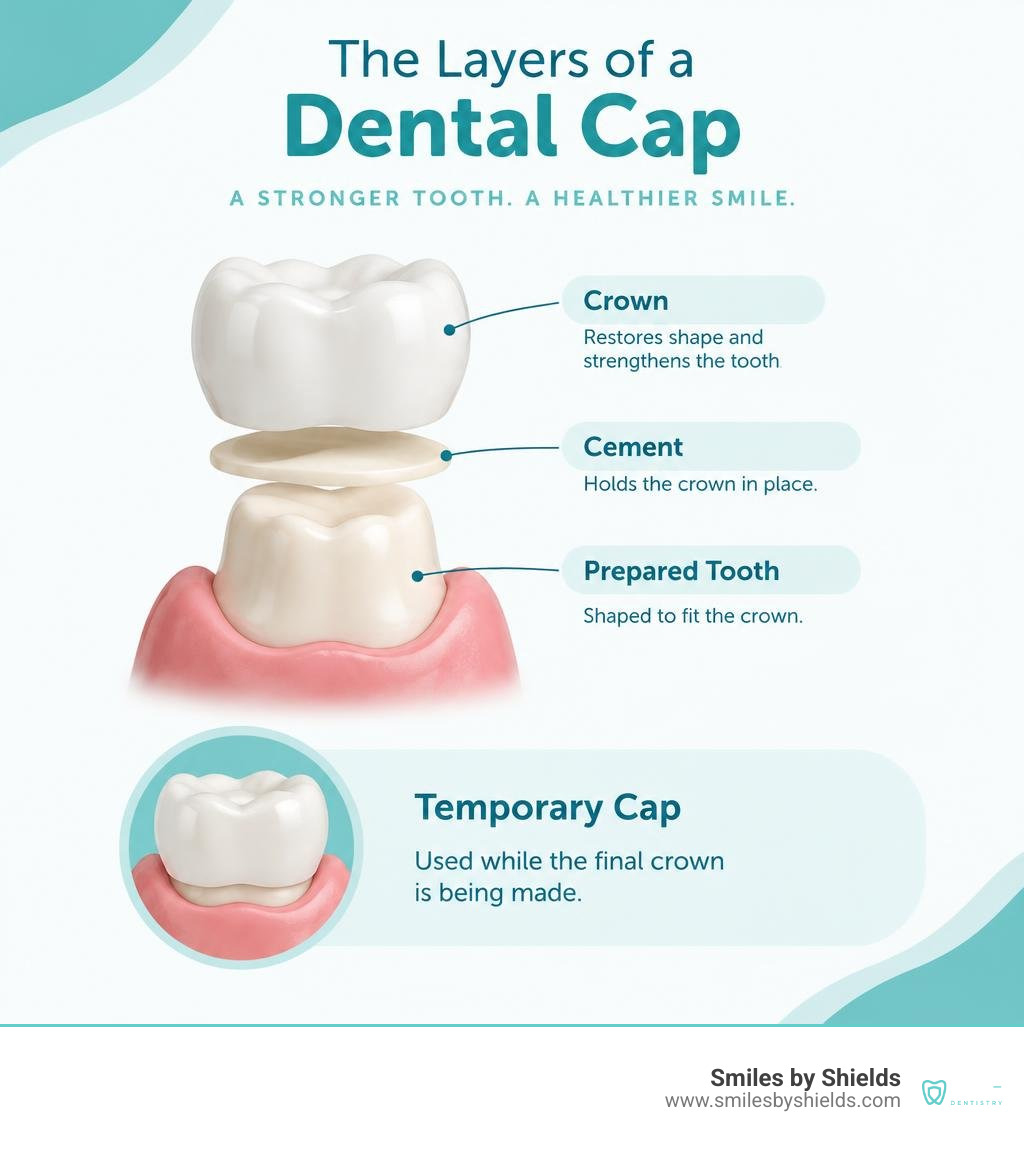
Key dental caps for teeth vocabulary:
Understanding Dental Caps for Teeth: Purpose and Types
A dental cap is essentially a custom-fitted “helmet” designed to envelop a compromised tooth. When a tooth experiences extensive structural breakdown, simple surface repairs can no longer withstand the intense mechanical pressures of chewing and grinding. By encircling the entire visible portion of the tooth, a cap restores its natural anatomy, reinstates full bite functionality, and shields vulnerable inner tissues from oral bacteria.
In holistic restorative dentistry, our primary objective is always the long-term preservation of your natural dentition without introducing materials that could trigger systemic sensitivities or inflammation. Understanding what to know about dental crowns allows you to choose restorations that protect both your smile and your total-body wellness.
Comparing Dental Caps for Teeth with Porcelain Veneers
While both restorations enhance the visual appearance of your smile, they serve fundamentally different clinical purposes. Choosing between crowns or veneers depends largely on whether your tooth requires structural reinforcement or merely aesthetic refinement.
A veneer is an ultra-thin shell of ceramic or composite bonded exclusively to the front (facial) surface of a tooth. Veneers are ideal for masking deep stains, closing minor gaps, or repairing slight chips on otherwise healthy teeth. Because they only cover the front, they require minimal enamel reduction. In contrast, a dental cap provides 360-degree coverage, requiring the tooth to be reshaped on all sides to accommodate the thickness of the restoration. Caps are indicated when a tooth has suffered significant damage, extensive decay, or structural fractures.
| Feature | Dental Cap (Crown) | Porcelain Veneer |
|---|---|---|
| Coverage | Total 360-degree coverage down to the gumline | Front surface only (facial aspect) |
| Primary Goal | Structural reinforcement and functional restoration | Cosmetic enhancement and minor reshaping |
| Enamel Removal | Moderate to significant (all sides reshaped) | Minimal (conservative front enamel prep) |
| Structural Support | High—binds cracked and weakened teeth together | Low—relies on the underlying tooth for strength |
| Typical Use | Post-root canal, large cavities, severe fractures | Discoloration, cosmetic chips, small gaps |
Permanent Crown Materials: Zirconia, Porcelain, and Metals
Modern restorative materials range widely in their physical strength, aesthetic translucency, and biological compatibility:
- Zirconia: Modern cubic zirconia crowns represent the gold standard in metal-free restorations. Milled from solid zirconium oxide, these caps offer exceptional fracture resistance while closely mimicking the optical properties of natural enamel. They are non-toxic, highly biocompatible, and gentle on opposing teeth when properly polished.
- All-Porcelain / Ceramic: Offering lifelike translucency and precise shade matching, pure porcelain caps are often chosen for front teeth where aesthetics are paramount.
- Porcelain-Fused-to-Metal (PFM): These crowns feature a porcelain exterior baked onto an underlying metal substructure. While durable, they can sometimes cause dark lines at the gumline and carry risks of metal sensitivity for individuals with metal allergies.
- Gold and Metal Alloys: Highly durable and extremely gentle on opposing natural enamel, gold alloys are historically resilient for back molars, though their distinct metallic color makes them less visually discreet.
- Composite Resin: Typically used for temporary restorations or budget-friendly interim solutions, resin is softer and wears down faster than ceramics or zirconia.
Temporary Crowns and Their Purpose
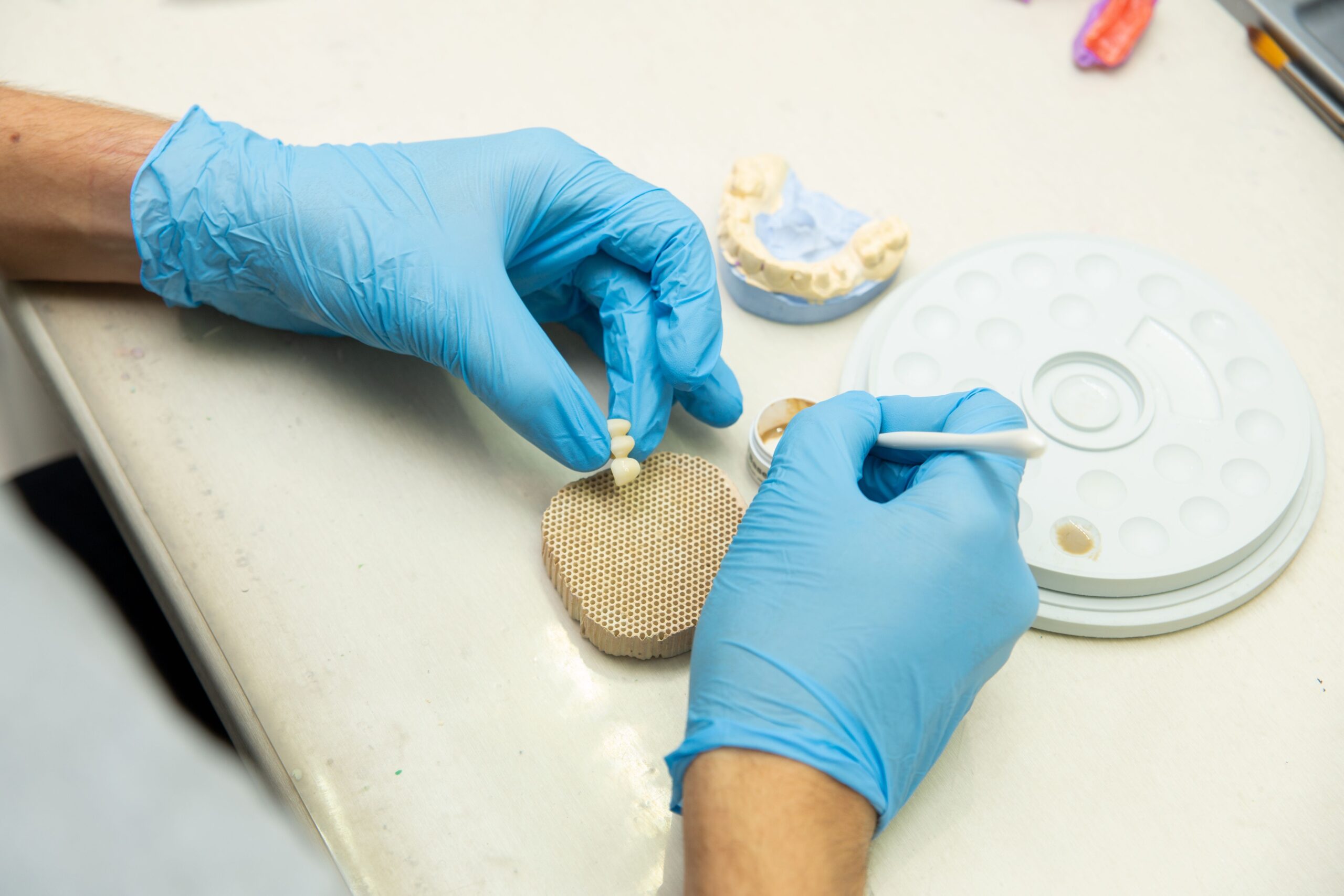
Permanent crowns are crafted in a specialized laboratory to ensure precise margins and bite alignment. While your custom permanent cap is being fabricated, we place an acrylic or composite temporary crown.
Temporary caps fulfill crucial short-term roles: they shield exposed dentin from temperature extremes and oral bacteria, prevent the prepared tooth and adjacent teeth from shifting out of position, maintain proper gum tissue contours, and allow you to chew and speak comfortably during the transition.
When Is a Dental Cap Needed for Adults and Children?
Knowing when you should consider crowns begins with understanding when a conservative restoration is no longer sufficient to save the tooth.
Adult Restorations: Decay, Root Canals, and Fractures
In adult patients, dental caps serve as vital reinforcements when the structural integrity of a tooth is compromised. We evaluate the filling vs crown difference by assessing how much natural tooth structure remains. If more than half the tooth is compromised by decay, a standard filling acts as a wedge under bite pressure, increasing the risk of a vertical root fracture.
Key adult indications include:
- Extensive Decay: Rebuilding teeth where large cavities have hollowed out the cusp structure.
- Post-Endodontic Therapy: Teeth that have undergone root canal treatment lose their internal blood supply, becoming brittle over time. A full-coverage cap seals the access point and protects against catastrophic fractures, demonstrating how dental crowns save smiles that might otherwise require extraction.
- Cracked Tooth Syndrome: Encapsulating fractured teeth to distribute bite forces evenly and eliminate pain during chewing.
- Implant Restorations: Serving as the replacement tooth attached atop a healed dental implant abutment.
Pediatric Needs: Protecting Primary Teeth
Decay in children is remarkably common. Approximately 1 in 4 kids will develop a cavity by age 5, and nearly half of all youth experience tooth decay by age 19.
When a child develops extensive decay in a primary (baby) molar, a pediatric dental cap is often recommended over a large composite filling. Primary teeth have thinner enamel and larger nerve chambers, making decay spread rapidly. Preserving baby molars until they naturally exfoliate is critical—they hold the precise spacing required for permanent teeth to erupt properly, guide jaw development, and support clear speech and nutrition.
Pediatric crowns are commonly fabricated from pre-formed stainless steel or pediatric zirconia. Because primary teeth naturally fall out, these caps are designed to protect the tooth during childhood without requiring decades of longevity.
The Dental Crown Procedure and Temporary Protection
Understanding what to expect when getting teeth capped helps alleviate any apprehension about the process.
Step-by-Step Crown Placement Process
- Biocompatible Examination & Comfort: We begin by numbing the surrounding tooth and gum tissue with local anesthesia to ensure complete comfort.
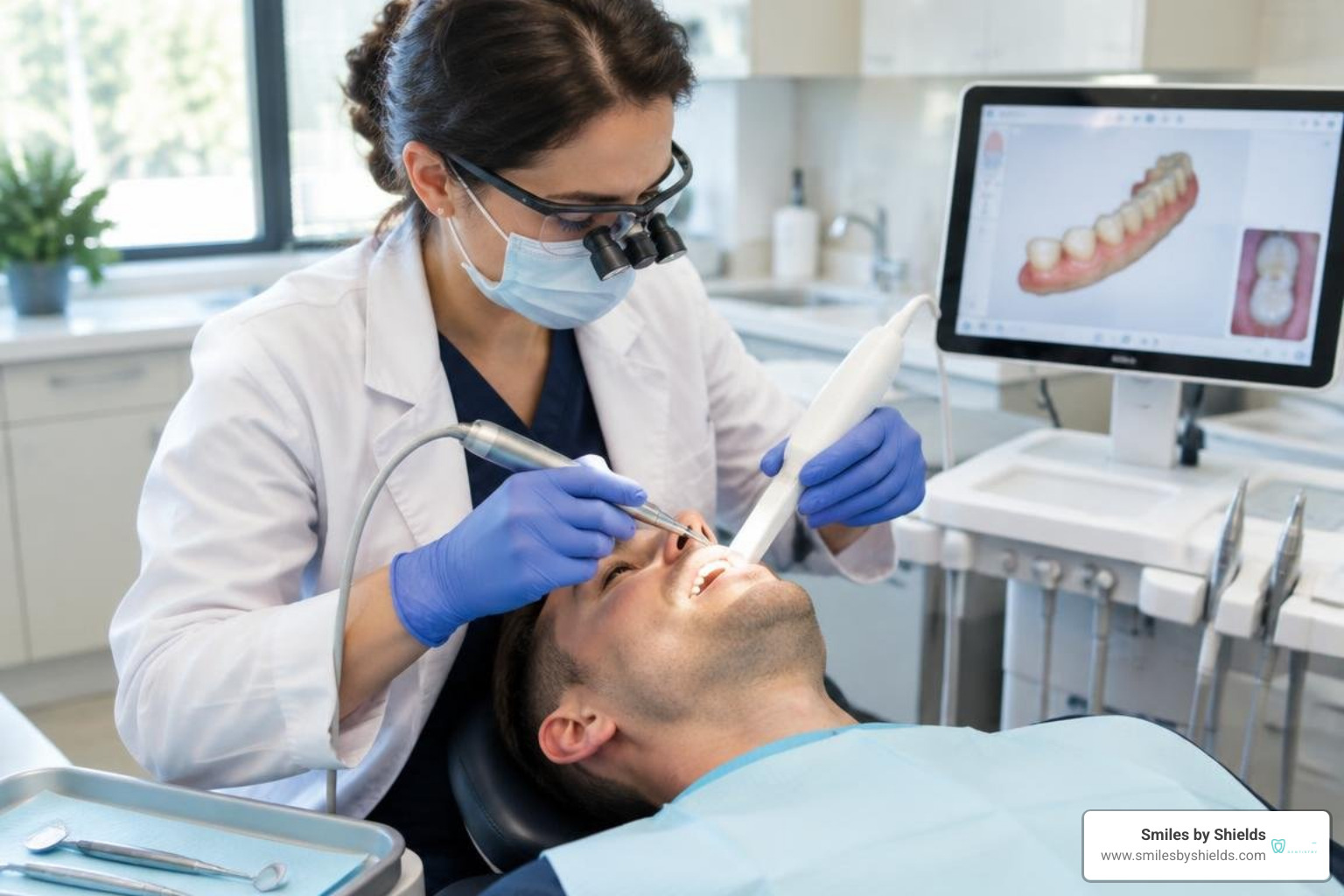
- Tooth Shaping: Any active decay or compromised filling material is removed. The tooth is carefully contoured along its outer surfaces and biting edge to create space for the cap.
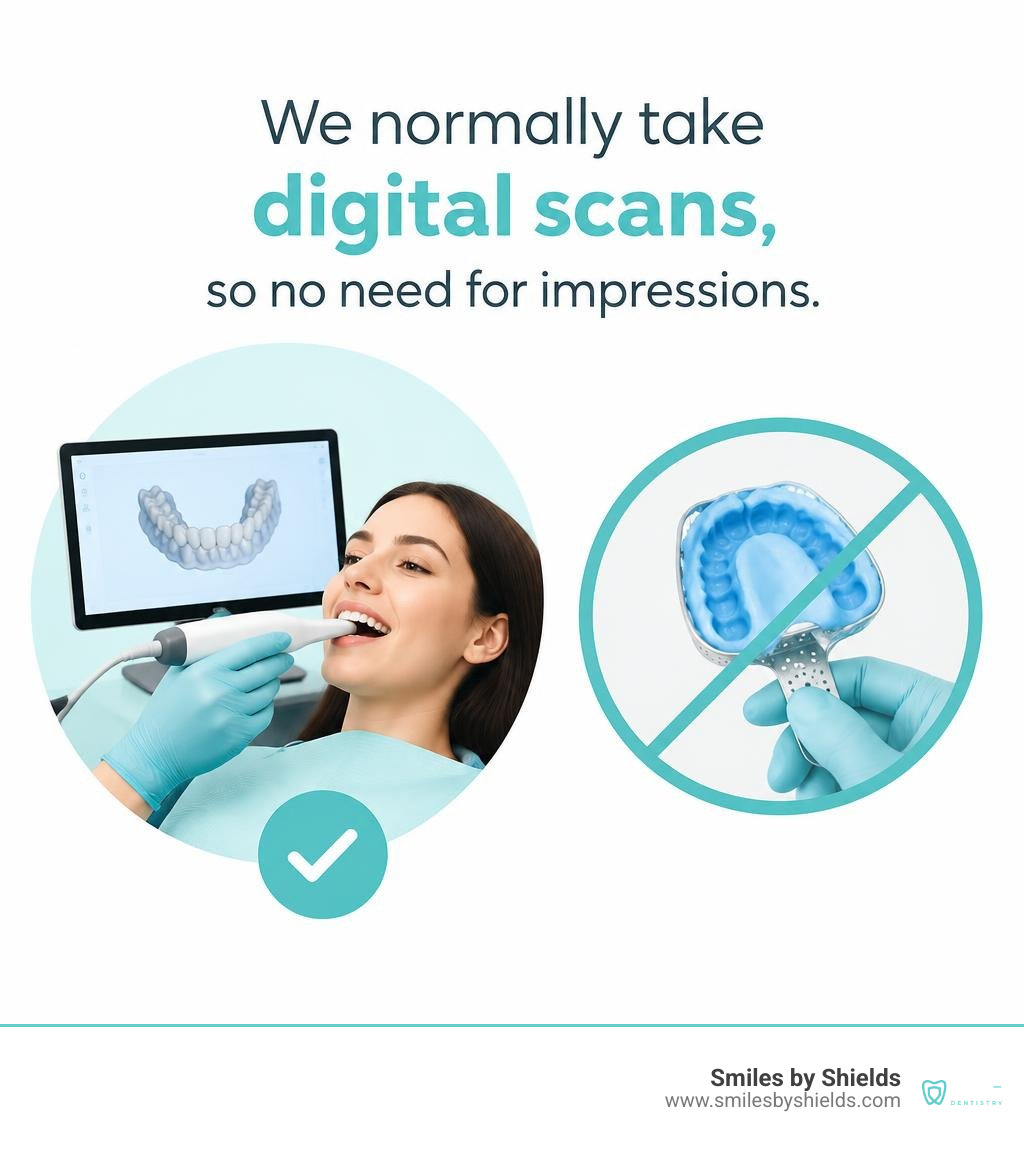
- Digital Impressions: Using advanced digital intraoral scanners, we capture precise 3D optical impressions of the prepared tooth, neighboring teeth, and bite registration—eliminating the need for messy traditional impression trays.
- Custom Shade Matching: We evaluate the color, hue, and translucency of your adjacent natural teeth to ensure the final restoration blends seamlessly.
- Temporary Placement: A temporary acrylic cap is secured with gentle, temporary cement.
- Permanent Bonding: Once the permanent crown arrives from the laboratory, we remove the temporary, thoroughly clean the tooth, verify the fit and bite, and bond the custom cap securely using biocompatible dental cement.
Navigating Temporary Crowns: Care and Food Restrictions
Because temporary crowns are affixed with interim cement designed for easy removal, they require mindful care:
- Avoid Sticky Foods: Chewing gum, caramel, taffy, and gummy candies can grab the temporary cap and pull it off the tooth.
- Avoid Hard Foods: Ice cubes, hard nuts, hard pretzels, and popcorn kernels can crack the acrylic material.
- Chew on the Opposite Side: Direct heavy chewing forces away from the temporary crown whenever possible.
- Floss Carefully: When flossing between the temporary cap and adjacent teeth, gently slide the floss out from the side at the gumline rather than snapping it upward, which could dislodge the cap.
Implant Healing Caps vs. Standard Dental Caps
A standard dental cap restores a natural tooth or serves as the final visible tooth on an implant abutment. A healing cap (or healing abutment), by contrast, is an interim component used exclusively in implant dentistry.
Made from medical-grade titanium or biocompatible zirconia, healing caps screw directly into the top of a newly placed or uncovered dental implant. Available in various diameters (typically 3.0 mm to 6.3 mm) and heights (2 mm to 7 mm), healing caps shape the surrounding gum tissue during healing, creating a natural emergence profile and tight seal against bacteria before the final crown is seated.
Lifespan, Care, and Managing Complications
High-quality permanent dental caps typically provide between 5 and 15 years of dependable service, and with diligent care, biocompatible materials like zirconia can often last much longer. Mastering prolonging crown and bridge lifespan helps protect your investment and preserve the underlying tooth structure.
Caring for Dental Caps for Teeth to Maximize Lifespan
While the cap material itself cannot decay, the natural tooth margin beneath it remains susceptible to plaque accumulation and recurrent decay. To maximize the lifespan of dental crowns:
- Practice Gentle, Thorough Brushing: Brush at least twice daily with a soft-bristled toothbrush and non-abrasive toothpaste, paying close attention to the margin where the crown meets the gumline.
- Daily Interdental Cleaning: Floss daily or use an interdental brush and oral irrigator to clear plaque between teeth.
- Address Teeth Grinding: If you clench or grind your teeth at night (bruxism), wear a custom nightguard to protect the ceramic surfaces from micro-fractures.
- Maintain Routine Preventive Visits: Regular professional cleanings and holistic evaluations allow us to check the seal and stability of your caps.
Handling Dislodged Caps and Capped Tooth Sensitivity
Mild sensitivity to hot or cold temperatures can occasionally occur for a few days following crown preparation or final cementation. Learning how to manage capped tooth sensitivity with desensitizing pastes and bite checks ensures minor inflammation resolves quickly.
If a permanent or temporary cap becomes loose or detaches completely:
- Retrieve and Clean the Cap: Carefully rinse the crown with warm water and store it in a clean container.
- Never Use Household Glues: Superglue and craft adhesives contain toxic chemicals that can permanently damage both the tooth pulp and the crown.
- Protect the Tooth: If the tooth is sensitive and you cannot see your dentist immediately, a small dab of over-the-counter temporary dental cement or sugar-free toothpaste placed inside the cap can hold it temporarily in place.
- Contact Your Dentist Promptly: Leaving a tooth uncapped allows it to shift, changes your bite alignment, and exposes the dentin to bacteria.
Cost Considerations and Low-Cost Alternatives
The cost of a dental cap varies based on several clinical factors, including the material selected (all-ceramic, zirconia, or metal alloys), the tooth’s location in the mouth, necessary foundation treatments (such as core buildups or biologic gum reshaping), and individual insurance coverage.

Typical Price Ranges and Financial Factors
Dental caps generally range from mid-tier to premium restorative investments depending on material quality and laboratory craftsmanship. Most dental benefit plans classify crowns as a major restorative service, frequently covering a percentage of the procedure when deemed clinically necessary due to decay or trauma.
When planning your care within holistic cosmetic dentistry, we provide clear treatment outlines detailing material selections, laboratory standards, and financing options to ensure your dental restorations fit comfortably within your wellness plan.
Frequently Asked Questions About Dental Caps
How long do you wear a temporary dental cap?
Most patients wear a temporary cap for approximately 2 to 3 weeks while the dental laboratory custom-mills and glazes the permanent restoration. In implant cases requiring soft tissue contouring, a temporary restoration may be worn longer while the bone and gums fully mature.
What is the difference between a temporary crown and a permanent dental crown?
Temporary crowns are fabricated chairside from composite resin or acrylic and fixed with weak, temporary cement for easy removal. Permanent crowns are custom-engineered from high-strength materials like zirconia or porcelain, designed for long-term durability, and bonded with permanent biocompatible cement.
What should you do if your dental crown falls off?
Keep the crown safe, avoid chewing on that side of your mouth, and contact your dental office right away. Prompt re-cementation protects the exposed tooth and prevents neighboring teeth from shifting out of alignment.
Conclusion
A well-crafted dental cap restores function, reinforces weakened enamel, and harmonizes with your natural bite. By choosing biocompatible, metal-free materials like solid zirconia and maintaining consistent oral hygiene, you can enjoy a durable, vibrant smile for years to come.
If you have a cracked tooth, an aging restoration, or wish to explore your restorative options, schedule a consultation with our Jacksonville team to learn all about dental crowns and restorative options tailored to your whole-body health.