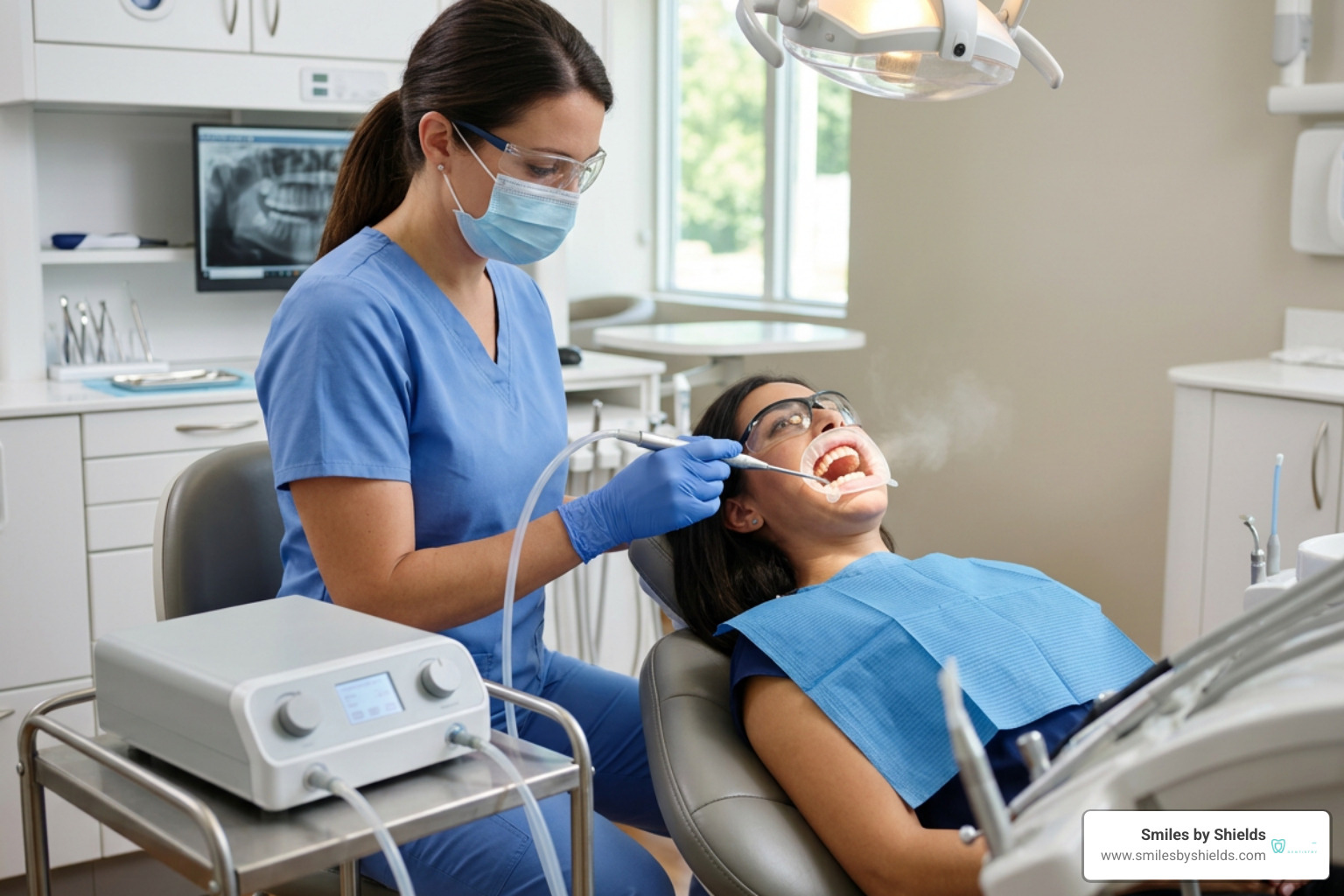
Why Ozone Therapy Dental Treatment Is Used for Gum Infections
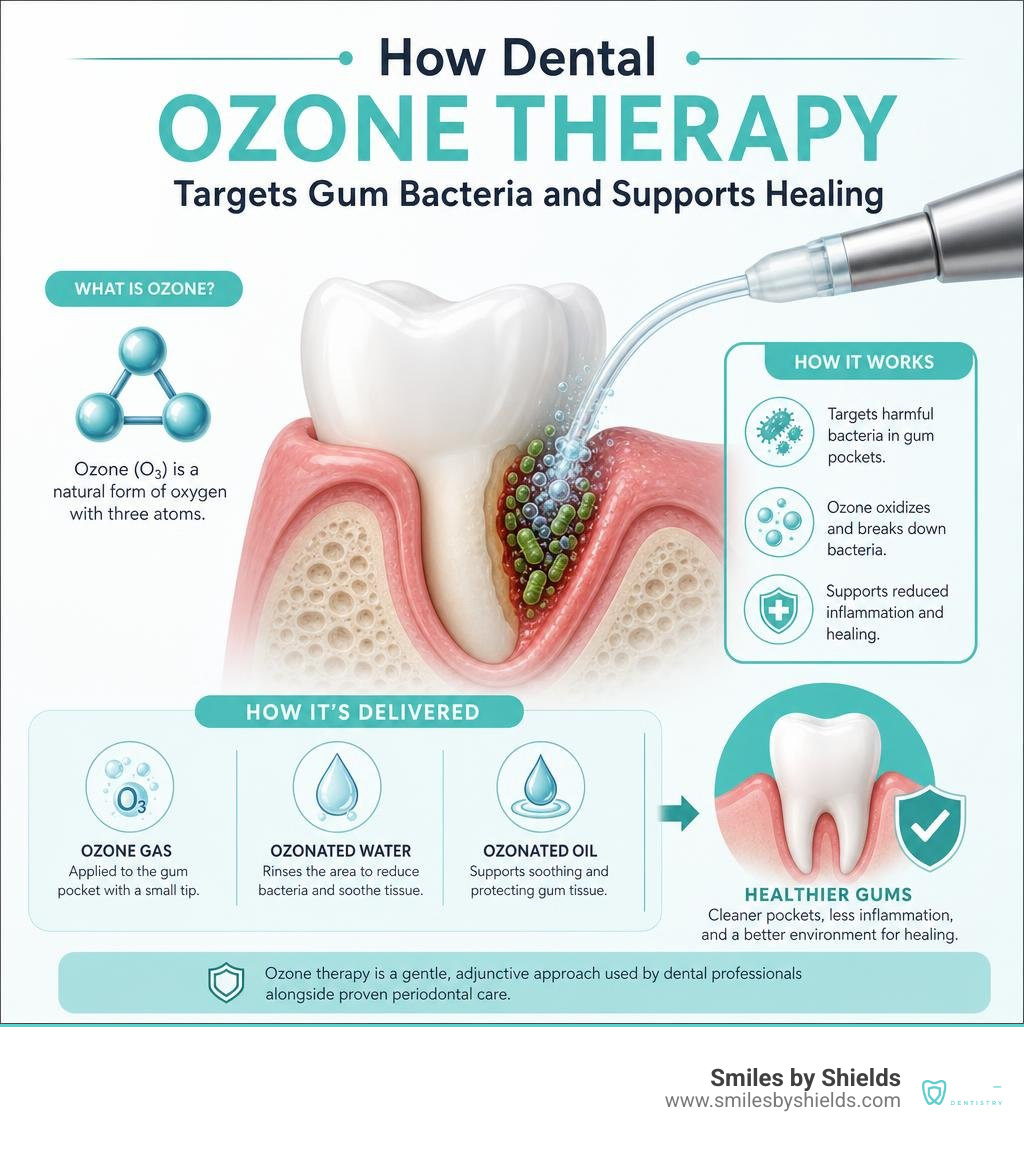
Ozone therapy dental treatment uses medical-grade ozone, a form of oxygen with three atoms (O3), to reduce harmful bacteria in gum pockets and support healing. Dentists may apply it as a gas, ozonated water, or ozonated oil, usually as an adjunct to proven care such as professional cleaning and scaling.
For people concerned about harsh chemicals or invasive procedures, ozone may offer a gentle, low-discomfort option for managing gum inflammation and oral biofilm. It is not a replacement for diagnosing and treating periodontal disease, but research suggests it can help lower bacterial levels and may support early healing when delivered correctly.
Ozone is highly reactive and cannot be stored for long. It must be generated at the dental office and delivered with equipment designed to prevent inhalation. That safety detail matters: ozone should only be used by a trained dental professional after an appropriate health screening.
Understanding Ozone Therapy Dental Treatment Mechanisms
At Smiles by Shields, we place a strong emphasis on biological compatibility and non-toxic modalities that support your body’s innate healing potential. To appreciate why ozone therapy dental treatment has earned such a prominent place in integrative oral care, it helps to explore the fascinating chemistry behind this naturally occurring molecule.
Ozone is a triatomic oxygen molecule composed of three covalently bonded oxygen atoms (O3). In chemical terms, it is an unstable allotrope of oxygen with a molecular weight of 47.98 g/mol. Ozone is approximately 1.6-fold denser than oxygen and 10-fold more soluble in water, dissolving up to 49.0 mL per 100 mL of water at 0 °C. First identified by chemist Christian Friedrich Schönbein in 1840—who derived its name from the Greek word ozein (“to smell”)—ozone is recognized as the third most potent oxidant known. This immense oxidation capacity makes ozone 1.5 times more powerful than chlorine against pathogenic micro-organisms.
Because ozone is thermodynamically unstable, it has a half-life of roughly 40 minutes at room temperature (20 °C) in liquid solution and decomposes back into standard diatomic oxygen (O2). Consequently, medical-grade ozone cannot be manufactured, bottled, or shipped for later use; it must be generated on demand right at the dental chairside using pure medical oxygen.
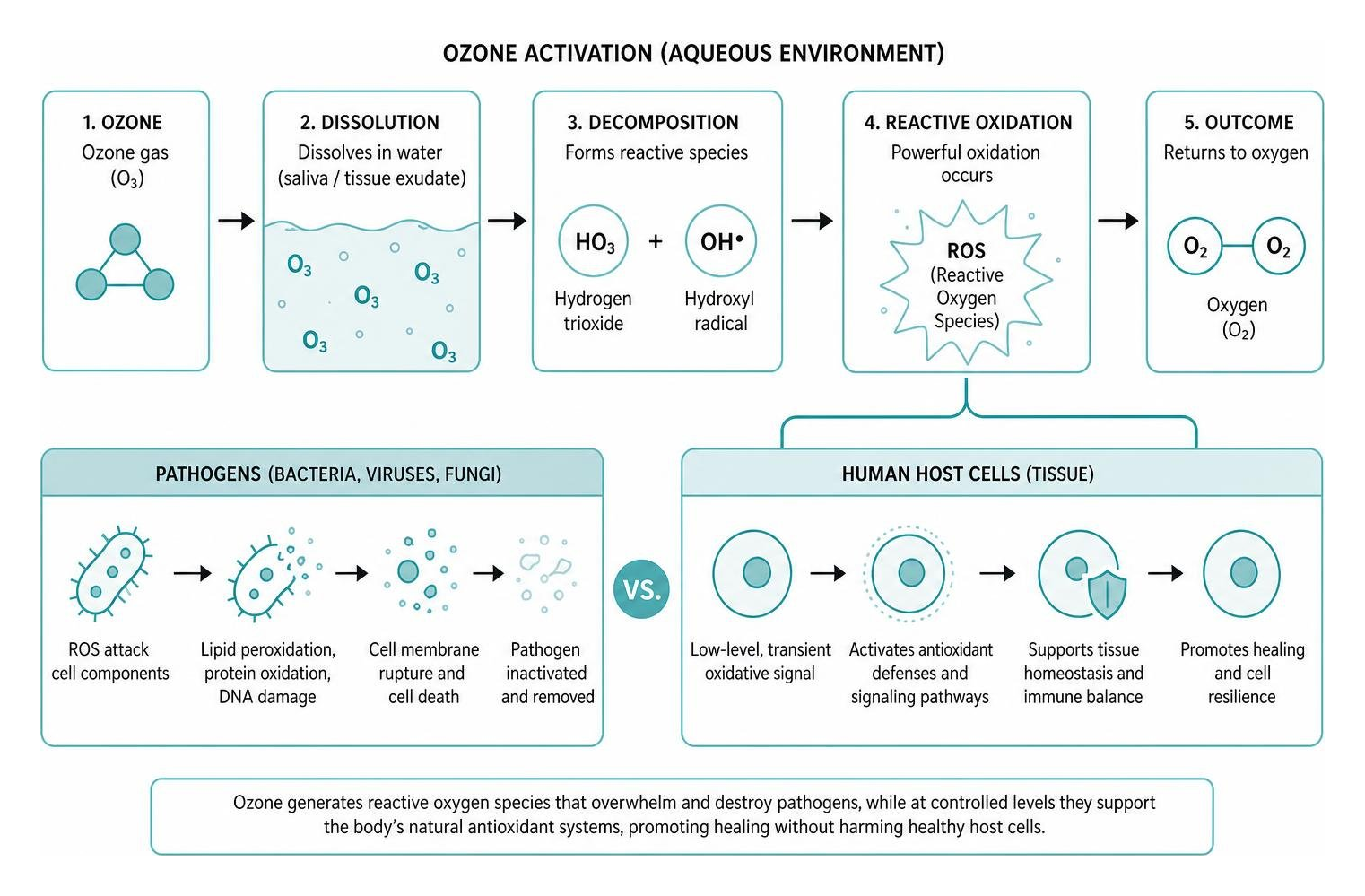
When dissolved in an aqueous environment such as oral saliva or tissue exudate, ozone rapidly decomposes to form hydrogen trioxide (O3) and reactive hydroxyl radicals. These reactive species drive powerful oxidation chemistry, disrupting pathogens while promoting local tissue oxygenation.
Biological Action of Ozone Therapy Dental Treatment
The biological power of ozone relies on a principle known as selective toxicity. More than 700 bacterial species can colonize the human oral cavity, forming complex subgingival biofilms that drive gingivitis and periodontitis. Microbial cells—especially anaerobic bacteria, viruses, fungi, and protozoa—possess cell walls and membranes rich in unsaturated fatty acids and phospholipids, but contain only trace amounts of antioxidative enzymes.
When ozone gas or ozonated liquids come into contact with these pathogens, the molecule oxidizes the double bonds of bacterial membrane lipids (a process termed lipid peroxidation) and membrane proteins. This reaction instantly compromises cell membrane integrity, causing cell wall lysis, cellular leakage, and rapid destruction of microbial nucleic acids. In fact, research demonstrates that ozone can eliminate 99% of bacteria, viruses, and fungi within just 10 to 60 seconds of contact.
In stark contrast, human host cells are protected by robust internal and external antioxidant defense networks, including vitamins C and E, glutathione, superoxide dismutase, and catalase. These antioxidants shield healthy tissue from controlled oxidative damage. When applied at appropriate therapeutic concentrations, ozone exhibits a hormetic biological response: moderate doses stimulate host bioregulatory pathways without harming human cells.
Beyond direct antimicrobial action, ozone therapy improves local microcirculation by enhancing erythrocyte flexibility and stimulating oxygen release to hypoxic gum tissues. It also downregulates pro-inflammatory pathways while activating anti-inflammatory cytokines, accelerating wound repair and promoting local tissue healing. To learn more about how we harness these biological mechanisms in our practice, explore our detailed guide on Understanding Ozone Therapy and review the academic framework outlined in the published literature on the Role of Ozone Therapy in Minimal Intervention Dentistry and Endodontics – A Review.
Clinical Forms of Ozone Used in Dentistry
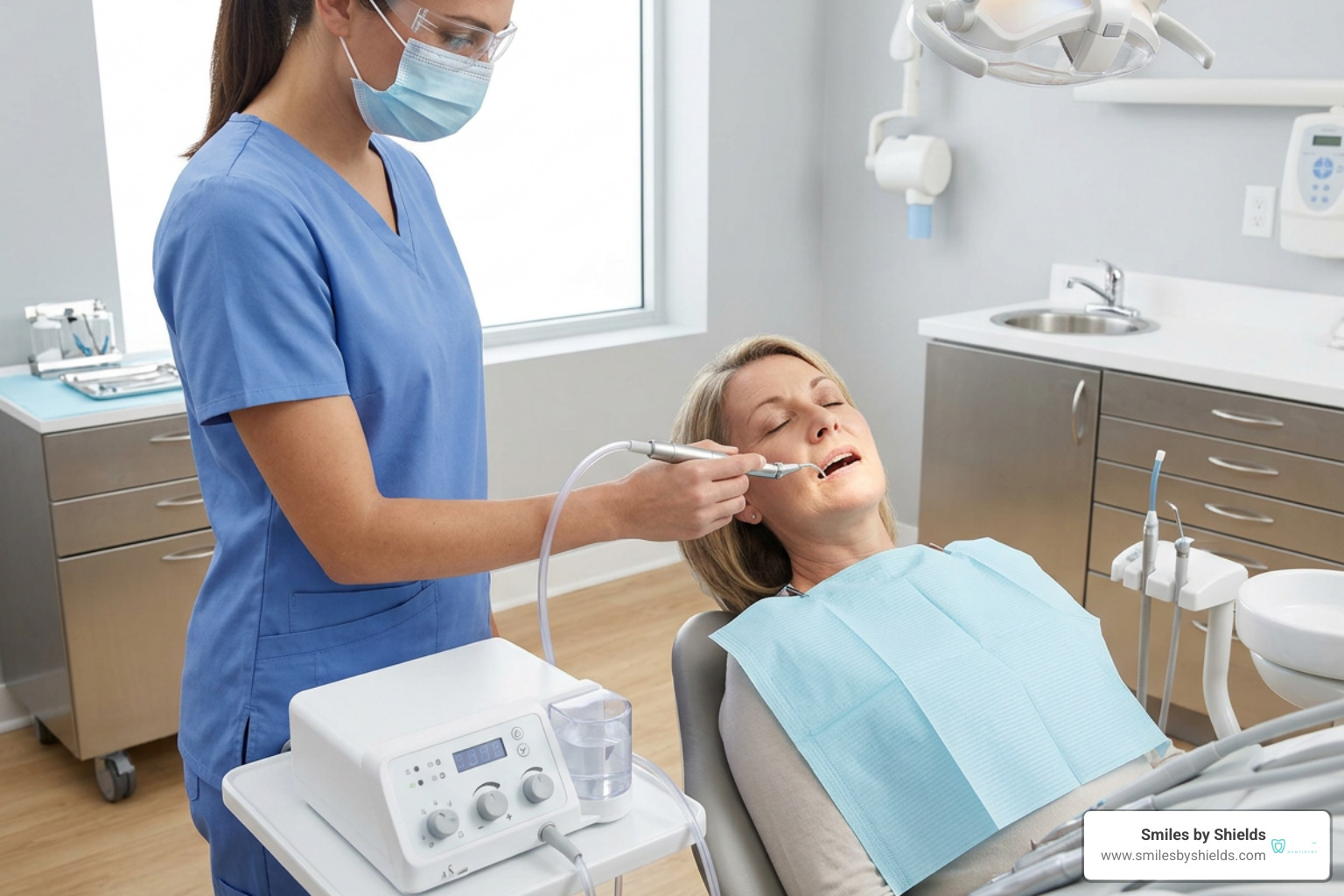
In modern biological dentistry, we utilize three primary physical forms of ozone, tailored to specific clinical protocols:
- Gaseous Ozone: Medical ozone gas is created using corona discharge generators that pass pure oxygen through a high-voltage electrical field (5 to 13 mV). The resulting gas mixture consists of no more than 5% ozone and 95%+ pure oxygen. In gum treatments, gaseous ozone is applied directly into infected periodontal pockets or surgical sites using customized silicon cups or specialized fine-gauge handpieces attached to sealed suction units to capture residual gas.
- Ozonated Water: Produced by bubbling gaseous ozone through distilled water, ozonated aqueous solutions serve as a biocompatible irrigant during periodontal scaling, cavity preparation, and root canal therapy. Ozonated water exhibits exceptional antimicrobial activity at concentrations ranging from 0.01 mg/L to 25 µg/mL (or 2 to 5 ppm). It provides immediate surface disinfection while flushing away cellular debris.
- Ozonated Oils: Plant-based oils—such as cold-pressed olive oil, sunflower oil, or sesame oil—are treated with ozone gas over extended periods. Ozone reacts with the double bonds of fatty acids to form stable ozonides, hydroperoxides, and peroxides. The concentration and biological potency of these topical gels are measured by their peroxide value. Ozonated oils provide a slow, sustained release of therapeutic oxygen compounds over several hours, making them ideal for topical application on healing surgical wounds, mucosal ulcers, and inflamed gum margins.
For a deeper dive into how these application modes can benefit your oral health routine, read our article on What to Know About Ozone Therapy.
Why Ozone Therapy Is Essential for Gum Infections and Periodontitis
Periodontal disease affects millions of adults nationwide and is a primary driver of adult tooth loss. Left unchecked, chronic subgingival infection leads to clinical attachment loss, deep pocket formation, and alveolar bone destruction. Furthermore, periodontal bacteria are established risk factors for systemic health challenges, including cardiovascular disease, diabetes, and respiratory infections.
While conventional periodontal care relies on mechanical scaling and root planing (SRP) to scrape away hardened calculus and plaque, bacteria frequently hide deep within dentinal tubules, furcations, and soft tissue pocket walls where mechanical instruments cannot easily reach. This is where ozone therapy dental treatment serves as an indispensable tool.
When ozonated water irrigations or gaseous ozone applications are integrated into periodontal therapy, the gas and liquid penetrate deep into microscopic soft tissue sulci. Clinical trials demonstrate that ozone selectively targets key periodontopathogens, achieving complete eradication of aggressive anaerobic species such as Tannerella forsythia, Tannerella denticola, and Porphyromonas gingivalis.
Recent clinical literature, including a comprehensive review in the journal BMC Oral Health on the Efficacy of ozone therapy in dentistry with approach of healing, pain management, and therapeutic outcomes: a systematic review of clinical trials, confirms that combining scaling and root planing with gaseous ozone leads to statistically significant improvements in probing pocket depth reduction, clinical attachment level gain, and reductions in bleeding on probing compared to mechanical therapy alone.
Ozone vs Chlorhexidine and Traditional Irrigants
For decades, traditional dentistry has relied on chemical antiseptics like chlorhexidine gluconate (CHX) and sodium hypochlorite (NaOCl) to control oral bacteria. While these agents possess strong germicidal activity, they carry distinct clinical drawbacks that conflict with our non-toxic, holistic philosophy.
Chlorhexidine routinely causes dark extrinsic tooth staining, alters taste perception, and exhibits cytotoxic effects on human fibroblasts at higher concentrations, which can delay soft tissue healing. Sodium hypochlorite, commonly used as a canal irrigant, is highly caustic, irritates periapical tissues, and possesses an off-putting chemical taste. Moreover, chemical antiseptics can foster bacterial resistance over time.
Ozone therapy provides a powerful, highly biocompatible alternative:
| Property / Feature | Gaseous / Aqueous Ozone | Chlorhexidine (CHX) 0.12% | Sodium Hypochlorite (NaOCl) |
|---|---|---|---|
| Antimicrobial Potency | 1.5x stronger than chlorine; kills microbes in 10–60s | Moderate broad-spectrum; slower kill rate | High broad-spectrum; rapid chemical dissolution |
| Tissue Biocompatibility | High; selective toxicity preserves host cells | Moderate; cytotoxic to fibroblasts | Low; highly caustic to soft tissues |
| Tooth Staining Risk | Zero risk of tooth discoloration | High risk of yellow/brown extrinsic staining | Low risk (bleaching agent) |
| Taste & Patient Comfort | Neutral / clean sensation | Pungent metallic taste; alters taste perception | Harsh chemical odor and taste |
| Bacterial Resistance | Zero risk (physical oxidation of cell wall) | Potential bacterial adaptation/resistance | Low risk of biological resistance |
| Wound Healing Impact | Stimulates microcirculation & cell growth | Can retard early fibroblast migration | Causes tissue necrosis on contact |
By choosing ozone, we provide superior antimicrobial action while respecting your body’s natural physiology. To learn more about how we integrate non-toxic alternatives into daily care, explore our overview of Ozone Therapy and Dental Care.
Antimicrobial and Pain Reduction Benefits
The therapeutic advantages of adding ozone to periodontal and oral surgical procedures extend far beyond bacterial reduction. Clinical studies evaluating post-treatment recovery consistently highlight significant reductions in patient-reported pain scores measured on Visual Analog Scales (VAS).
Key clinical benefits of dental ozone therapy include:
- Accelerated Mucosal Closure: Ozone upregulates transforming growth factor beta 1, accelerating oral mucosal wound closure and collagen synthesis following gum surgery or extractions.
- Immediate Pain & Inflammation Reduction: By neutralizing pro-inflammatory prostaglandins and lowering local oxidative stress, ozone delivers prompt relief from gum soreness and surgical discomfort.
- Biofilm Disruption: Ozone breaks down the protective extracellular polymeric matrix of dense oral biofilms, exposing underlying bacteria to host immune defenses.
- Enhanced Local Tissue Oxygenation: O3 increases local blood flow and tissue oxygenation, creating an aerobic environment hostile to destructive anaerobic bacteria.
- Zero Cytotoxic Residuals: Unlike chemical rinses, ozone breaks down into pure oxygen (O2), leaving no toxic residues behind in the body.
To explore how these advantages can transform your dental visit, read our summary of the Top Benefits of Ozone Therapy.
Additional Applications of Dental Ozone Across Specialties
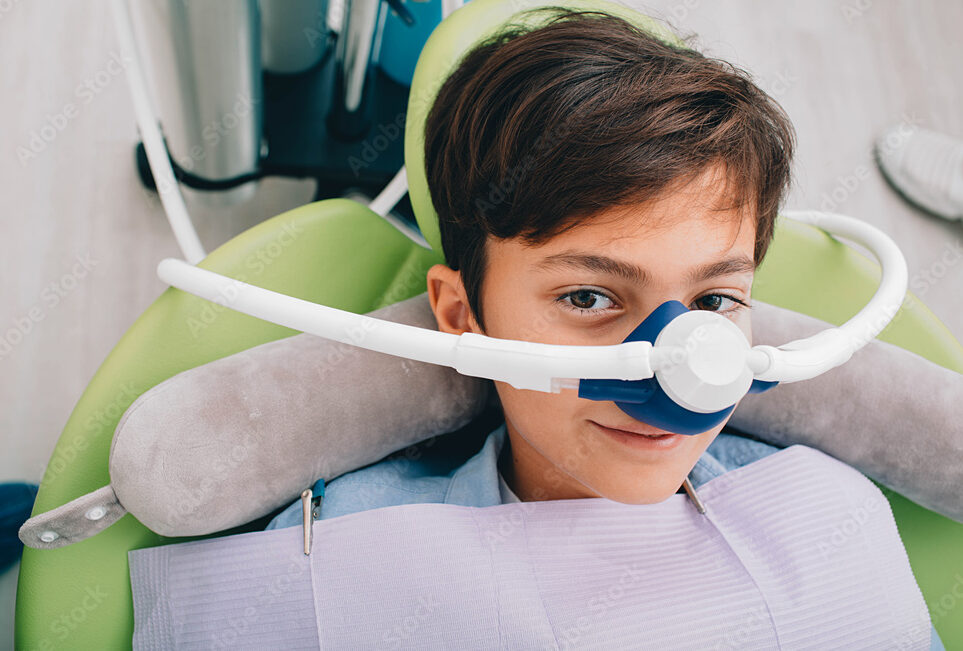
While ozone therapy is exceptionally effective for managing gum infections, its therapeutic utility spans almost every discipline of modern biological dentistry. Ozone gas is indicated across general medicine and oral healthcare for treating more than 260 distinct pathologies, making it one of the most versatile non-toxic modalities in our practice.
Ozone Therapy Dental Treatment in Endodontics and Caries Reversal
In endodontic root canal therapy, complete sterilization of the complex internal anatomy of the tooth—including accessory canals and microscopic dentinal tubules—is essential for long-term success. Standard root canal irrigants often fail to penetrate deep into these micro-structures.
When ozonated water or ozone gas is introduced into prepared root canals, especially when activated with ultrasonic or sonic handpieces, the gas diffuses into lateral canals and tubule networks. Clinical studies demonstrate that ozone irrigation effectively eradicates resistant endodontic pathogens, including Streptococcus mitis and Propionibacterium acnes, while significantly decreasing post-operative pain.
In conservative caries management, ozone is revolutionizing how we handle early tooth decay. A 40-second application of gaseous ozone to a non-cavitary white spot lesion or early root carie oxidizes cariogenic bacteria like Streptococcus mutans and Lactobacillus casei. Additionally, ozone opens dentinal tubules and remineralizes enamel when followed immediately by remineralizing agents containing calcium, phosphate, or hydroxyapatite. This non-invasive approach allows us to arrest early decay without the need for drilling.
To understand the science behind endodontic ozone applications, read our article on How Ozone Therapy Enhances Root Canal Treatment and review the research published in Clinical utility of ozone therapy in dental and oral medicine.
Pediatric and Special Needs Dental Care
For young children and individuals with special healthcare needs, traditional dental procedures involving noisy drills and local anesthetic injections can induce severe dental anxiety. Ozone therapy dental treatment offers a gentle, non-invasive alternative that transforms the clinical experience.
In pediatric dentistry, non-drilling ozone treatments for early carious lesions have been shown to eliminate dental anxiety in up to 93% of anxious children. Clinical trials evaluating daily rinses with ozonated water (2 ppm) and topical applications of ozonated oil (20 ppm) demonstrated plaque index reductions and Streptococcus mutans suppression fully comparable to chlorhexidine, but without the unpleasant taste or staining side effects.
Because ozone handpieces operate quietly and quickly without vibration, children tolerate the procedure exceptionally well. To discover how our team delivers compassionate, family-centered care using biological techniques, read about our approach to Integrative Dentistry Ozone Therapy.
Safety Parameters, Clinical Protocols, and Contraindications
Safety is the cornerstone of everything we do at Smiles by Shields. While ozone therapy is remarkably safe when administered by trained clinicians, strict clinical protocols must be observed to prevent accidental inhalation or adverse reactions.
Direct breathing of untreated gaseous ozone can irritate the upper respiratory tract, trigger coughing or bronchial spasms, and harm lung tissue. When used for inhalation or insufflation, ozone must be administered correctly as an ozonoid under proper clinical protocols. To support safe care:
- Closed-System Delivery: We utilize dedicated medical-grade oxygen-ozone generators connected directly to pure medical oxygen tanks (never ambient air, which can form toxic nitrogen dioxide).
- Sealed Handpieces & High-Volume Suction: Ozone gas is delivered through specialized silicone cups or micro-catheters under continuous high-volume evacuation suction to capture any excess gas.
Before initiating ozone therapy, we conduct a comprehensive patient health evaluation. Systemic contraindications to medical ozone therapy include:
A critical technical note for restorative procedures: scientific evidence indicates that applying gaseous ozone to dentin immediately prior to placing composite resin fillings can temporarily reduce dentin bond strength. Therefore, our clinicians follow strict timing protocols, ensuring ozone treatment is properly sequence or rinsed so that adhesive bonding integrity remains uncompromised. For an extensive academic breakdown of safety guidelines, refer to Ozone in Dentistry: An Updated Overview of Current Applications and Future Perspectives.
Research Evidence and Future Directions in Dental Ozone
Over the past decade, scientific publications on dental ozone therapy have doubled in volume. However, as noted in leading research reviews, the scientific community continues to emphasize the need for standardized clinical protocols.
Currently, clinical studies exhibit significant heterogeneity in dosage reporting. Researchers and clinicians are pushing to standardize dose reporting in precise mass per volume units rather than vague flow rates or percentage settings. Furthermore, researchers emphasize the distinction between open-system ambient-air generators—which yield low, inconsistent ozone concentrations—and closed-system medical generators fed by pure oxygen cylinders with spectrophotometric monitoring.
Future research directions focus on refining hormetic dose-response models, establishing precise exposure timing matrices for different caries severity scores, and conducting long-term multi-year clinical trials to track restorative survival rates following ozone remineralization. As clinical evidence continues to expand, ozone therapy is rapidly cementing its place as a standard, science-backed modality in modern evidence-based dentistry.
Frequently Asked Questions About Ozone Therapy Dental Treatment
Is ozone therapy dental treatment safe for managing gum disease?
Yes, ozone therapy dental treatment has an exceptional safety profile when performed by a trained biological dentist using medical-grade equipment. Because human tissues are rich in defensive antioxidants, ozone selectively destroys pathogenic bacteria while leaving healthy oral cells unharmed. By employing closed delivery systems with high-volume suction, we prevent gas inhalation and ensure a comfortable, safe experience.
Can ozone therapy replace traditional scaling or root canal procedures?
Ozone therapy is designed as an adjunctive therapy, not a total replacement for mechanical dental treatments. While ozone effectively sterilizes infected tissues and disrupts biofilm, it cannot physically scrape away hardened dental calculus (tartar) from root surfaces or mechanically reshape a root canal space. Ozone works synergistically alongside professional scaling, root planing, and cleanings to yield far superior microbial elimination than mechanical cleaning alone.
How quickly does ozone therapy work during a dental procedure?
Ozone acts almost instantaneously upon contact with oral microbes. Because of its intense oxidation potential, ozone destroys bacterial cell membranes, viruses, and fungi within 10 to 60 seconds of exposure. During a typical dental procedure, gaseous ozone or ozonated water irrigations add just a few minutes to your visit while providing powerful, long-lasting antimicrobial benefits.
Conclusion
At Smiles by Shields in Jacksonville, Florida, our commitment is to provide non-toxic, biocompatible dental care that respects your whole-body wellness. Ozone therapy dental treatment represents a perfect harmony between advanced biochemistry and gentle biological healing. By harnessing the natural power of medical-grade oxygen, we can effectively manage gum infections, promote rapid post-surgical healing, reverse early tooth decay, and disinfect root canals—all without relying on harsh chemicals or invasive procedures.
If you are seeking a holistic approach to your family’s oral health, we invite you to experience the benefits of integrative dentistry firsthand. Learn more about our fluoride-free holistic dentistry approach and discover how our personalized treatments can support your healthy, radiant smile.