Whole Body Wellness Dentistry Connects Oral Care to Overall Health
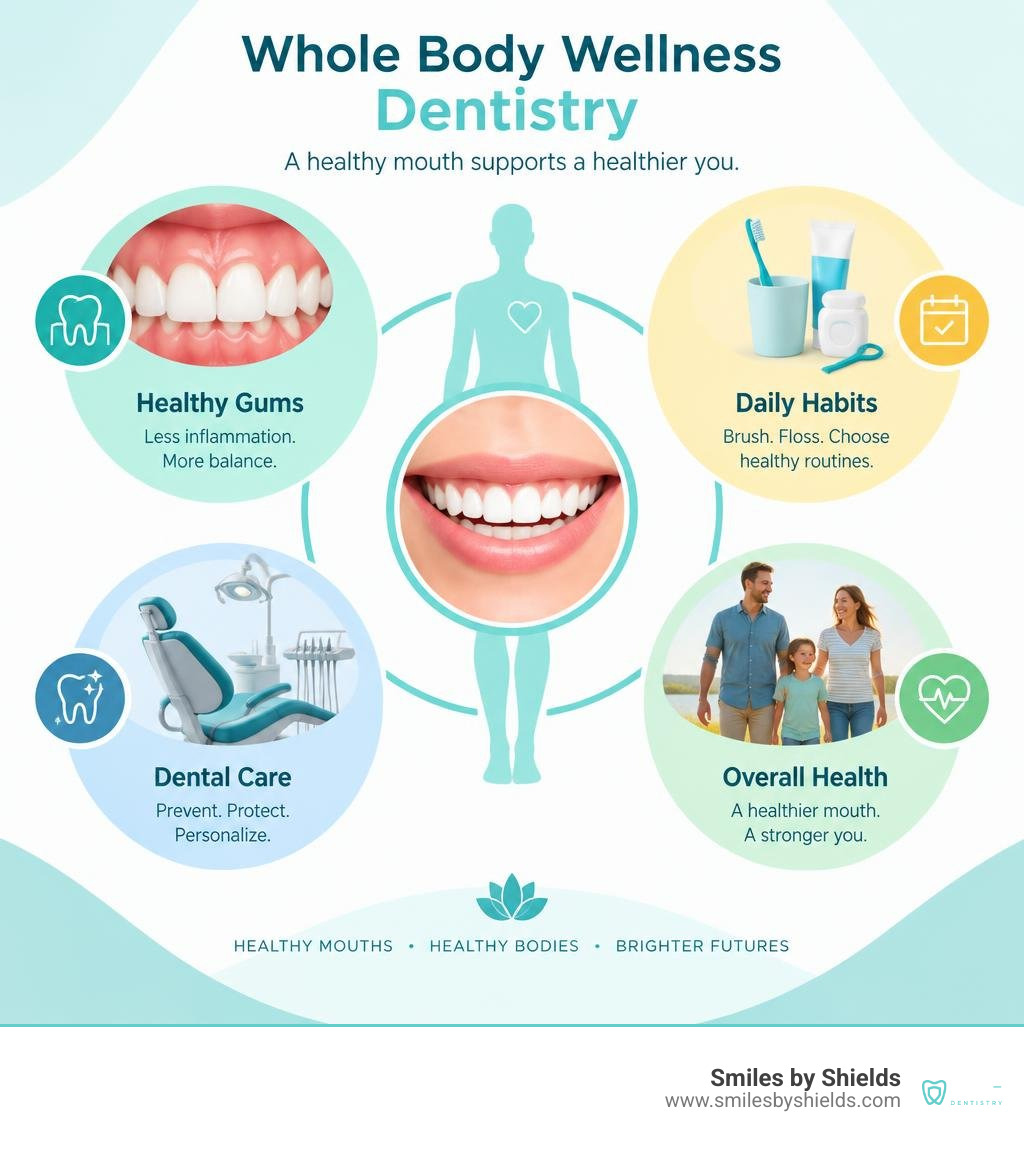
Whole body wellness dentistry looks beyond a single tooth or symptom. It combines preventive dental care with attention to gum health, inflammation, oral habits, materials used in treatment, and the ways the mouth can affect the rest of the body. The goal is simple: help you make informed choices that support a healthy smile and broader well-being.
Research has linked poor oral health, especially untreated gum disease, with systemic inflammation and health concerns involving heart disease, diabetes management, and pregnancy outcomes. This does not mean oral disease directly causes every condition. It does mean that healthy gums, daily home care, regular exams, and communication between dental and medical providers can matter.
For families, whole-person care starts with practical habits:
- Brush twice daily with a fluoride toothpaste or discuss alternatives with your dentist.
- Clean between teeth daily.
- Choose products with the ADA Seal of Acceptance when they fit your needs.
- Watch for bleeding gums, persistent bad breath, swelling, or gum recession.
- Start children early with age-appropriate brushing, limited sugary drinks, and a move away from prolonged bottle use.
For patients concerned about conventional materials or treatments, an integrative dentist can discuss biocompatible materials, mercury-free options, and treatment plans tailored to individual health history and goals. These conversations should be grounded in evidence, safety, and your specific needs.
I am Dr. Tiffany K. Shields, a Jacksonville dentist with training in biological and integrative approaches, biocompatible materials, and personalized treatment planning. In this A-Z guide to whole body wellness dentistry, I will explain how oral health, prevention, family routines, and thoughtful dental care can work together.
Whole body wellness dentistry terms to learn:
Understanding Whole Body Wellness Dentistry: Beyond Conventional Oral Care
To understand why this approach matters, we must examine how modern dentistry views the mouth. For decades, conventional dental treatment functioned largely like auto repair: if a tooth cracked, you patched it; if a cavity formed, you drilled and filled it. While modern restorative techniques are critical, this localized model often ignores why the problem developed in the first place or how oral conditions influence your entire physiological system.
Whole body wellness dentistry shifts the focus from reactive repair to proactive, root-cause resolution. When patients ask us what is holistic dentistry, we explain that it is an integrative philosophy recognizing the mouth as the biological gateway to the entire body. The oral cavity is not an isolated island—it is intimately connected to your bloodstream, immune system, respiratory tract, and gut microbiome.
By taking an integrative approach, we prioritize biocompatible materials, non-toxic restorative options, and low-radiation diagnostics to ensure dental treatments harmonize with your overall physiology. Exploring this connection helps patients discover that learning about total body wellness dentistry provides practical insight into long-term vitality.
| Feature / Dimension | Conventional Dentistry | Whole Body Wellness Dentistry |
|---|---|---|
| Primary Focus | Treating isolated symptoms, cavities, and local tooth damage | Identifying root causes and understanding oral-systemic connections |
| Material Selection | Standard industrial dental materials (often including metal amalgams) | Biocompatible, non-toxic, hypoallergenic, and metal-free alternatives |
| Periodontal Approach | Mechanical scaling, polishing, and localized antibiotics | Comprehensive microbiome balancing, low-impact disinfection, and systemic inflammation reduction |
| Diagnostic Scope | Standard visual exams and localized bite-wing X-rays | Comprehensive wellness exams, low-dose digital imaging, and airway assessments |
| Preventive Philosophy | Routine cleanings and topical applications | Lifestyle integration, whole-food nutrition, stress management, and biocompatibility testing |
Principles of Whole Body Wellness Dentistry
The practice of whole body dental wellness rests on several core clinical pillars designed to protect your biological health:
- Biocompatibility Testing: Everyone possesses a unique immune system and biochemistry. Materials that rest comfortably in one patient might trigger low-grade chronic immune responses in another. Biocompatibility testing helps us select restorative materials tailored specifically to your body.
- SMART Amalgam Removal: Safe Mercury Amalgam Removal Technique (SMART) protocols use specialized filtration, negative ion air vacuums, proper isolation, and oxygen delivery to safely remove old silver-mercury fillings without exposing patients, staff, or the environment to toxic heavy metal vapors.
- Medical-Grade Ozone Therapy: Utilizing ozone (O3) gas and ozonated water allows us to naturally eliminate pathogenic bacteria, viruses, and fungi in deep periodontal pockets or decaying tooth structures, stimulating natural blood flow and accelerating tissue healing without synthetic chemicals.
- Ultra-Low-Dose Digital Radiography: Advanced digital sensors dramatically reduce radiation exposure compared to traditional film X-rays while providing high-resolution clarity to diagnose sub-surface issues safely.
Understanding the clinical benefits of holistic dentistry empowers you to take charge of your healthcare by choosing non-invasive, biologically harmonious therapies.
The Oral-Systemic Link: How Mouth Health Dictates Total Body Wellness
The bridge between oral bacteria and chronic illness is one of the most thoroughly researched fields in contemporary medicine. When chronic infection or inflammation takes hold in your mouth, pathogenic bacteria and inflammatory signaling molecules (cytokines such as IL-6, TNF-alpha, and CRP) enter the bloodstream through the rich microvasculature of the gums.

When patients ask, does oral health affect your overall health, clinical evidence reveals significant systemic intersections:
- Cardiovascular Disease: Periodontal pathogens, particularly Porphyromonas gingivalis, can attach to the endothelial lining of arterial blood vessels, accelerating arterial plaque buildup (atherosclerosis) and increasing the risk of heart attack and stroke.
- Diabetes Management: The relationship between periodontal disease and diabetes is a two-way street. Chronic gum inflammation impairs insulin signaling, making blood sugar harder to control. Conversely, elevated blood sugar fuels oral bacterial growth, creating a dangerous cycle.
- Pregnancy Outcomes: Elevated systemic inflammation and circulating oral pathogens have been clinically linked to increased risks of preeclampsia, low birth weight, and preterm labor.
- Cognitive & Respiratory Health: Oral bacteria can be aspirated into the lungs, contributing to pneumonia, while chronic systemic inflammation from periodontal disease is increasingly studied for its role in neurodegenerative conditions.
By understanding the mouth body connection, you can appreciate how maintaining a clean, balanced oral environment protects every major organ in your body.
Gum Disease and Systemic Inflammation: Warning Signs and Prevention
Periodontal disease is an insidious condition. In its early stages, it rarely causes sharp pain, allowing chronic infection to linger undetected for years. As tartar builds up beneath the gum line, it triggers an ongoing immune response that erodes the soft tissue and alveolar bone anchoring your teeth.
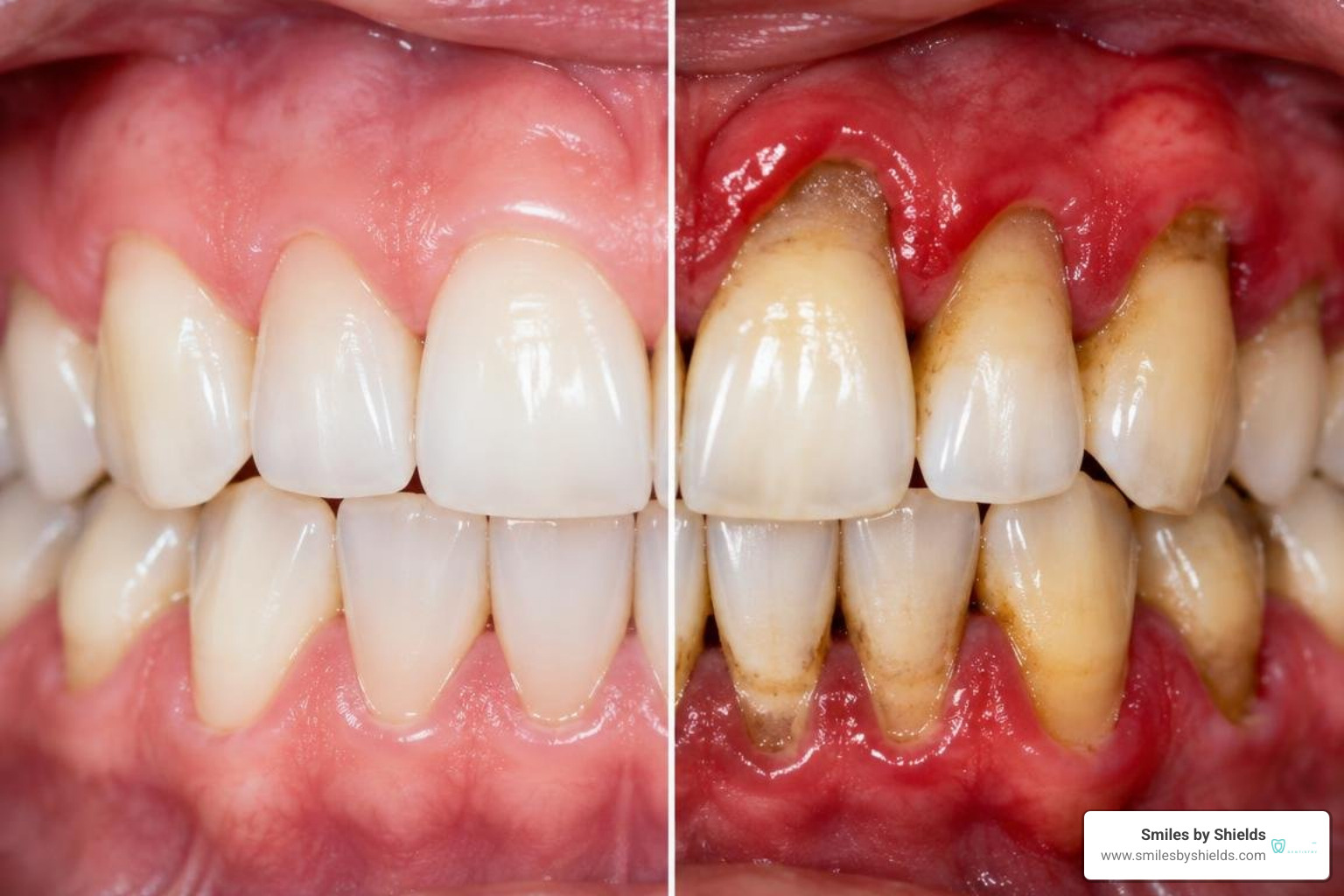
Because systemic health depends heavily on managing hidden inflammation, scheduling thorough dental wellness exams allows us to catch micro-changes in tissue density and bacterial colonization before widespread damage occurs. Realizing the vital link between dental health and total body care transforms dental cleanings from a simple aesthetic chore into an essential component of preventive medicine.
Early Warning Signs of Periodontal Disease
Catching periodontal issues early prevents irreparable damage to the bone and reduces your body’s systemic inflammatory burden. Practicing an ounce of prevention for oral health and total wellness means watching for these subtle red flags:
- Bleeding Gums During Brushing or Flossing: Healthy gums never bleed. Bleeding is the clearest primary sign of active infection and compromised epithelial integrity.
- Persistent Halitosis (Bad Breath): Ongoing bad breath or a lingering bad taste in the mouth is often caused by volatile sulfur compounds produced by colonies of anaerobic bacteria hidden deep below the gum line.
- Gingival Recession: If your teeth appear longer than they used to, your gums are pulling back, exposing sensitive root surfaces and creating periodontal pockets where bacteria thrive.
- Puffiness and Redness: Vibrant pink, stippled gum tissue indicates health. Swollen, dark red, or purplish margins signify localized inflammation.
- Tooth Mobility or Shifting: In advanced stages, the loss of underlying bone structure causes teeth to loosen or shift out of alignment when you chew.
Safe Product Selection and the Role of ADA-Accepted Tools
Maintaining oral balance at home requires safe, effective hygiene tools. When selecting daily oral care products, look for items carrying the ADA Seal of Acceptance, which ensures the product has been independently evaluated for safety and efficacy.
For a balanced, whole-body-friendly daily routine, we recommend:
- Ultra-Soft Bristled Toothbrushes: Hard and medium bristles can damage enamel and cause gingival recession. Choose manual or sonic brushes with ultra-soft micro-bristles.
- Biocompatible Toothpastes: Look for dentifrice formulas free from sodium lauryl sulfate (SLS), synthetic dyes, artificial sweeteners (like saccharin), and harsh abrasives. Hydroxyapatite-based toothpastes offer an exceptional, non-toxic way to remineralize enamel naturally.
- Interdental Cleaners: Daily interproximal cleaning with non-toxic, unflavored, natural wax-coated floss or specialized interdental brushes removes anaerobic plaque where toothbrush bristles cannot reach.
- Hydro-Flossers (Water Flossers): Water irrigation systems can flush deep periodontal pockets and deliver ozonated water or herbal antimicrobial rinses directly to vulnerable tissues.
- Tongue Scrapers: Using a pure stainless steel or copper tongue scraper daily removes accumulated volatile sulfur compounds and bacterial biofilm from the surface of the tongue.
Building Lifelong Habits: Youth, Family, and Community-Based Wellness
Lifelong wellness begins in childhood. When children develop a positive relationship with personal care, nutrition, and environmental health, they carry those foundational habits throughout adulthood.

A fantastic model for this holistic development is found in community organizations such as Scouting America. Scouting instills values like character development, outdoor exploration, personal responsibility, and preparedness. These exact traits apply directly to preventive health. When children learn the discipline of self-care—packing clean water, choosing nourishing snacks on a hike, and maintaining their personal gear—they learn to treat their bodies with the same respect.
Bringing these concepts to youth groups and local events helps inspire dental wellness in your community, showing the next generation that oral wellness is a core part of an active lifestyle.
Early Childhood Oral Care and Preventive Practices
Protecting your child’s oral health begins before the first tooth even emerges. Implementing thoughtful daily practices shields children from discomfort and sets the stage for healthy dental and airway development:
- Preventing Baby Bottle Tooth Decay: Never put an infant or toddler to bed with a bottle containing milk, formula, fruit juice, or sweetened liquids. The natural sugars pool around the upper front teeth overnight, providing fuel for rapid cavity progression. Offer only clean water in nighttime bottles.
- Transitioning from Bottles to Open Training Cups: Aim to transition toddlers to training cups or small open cups around their first birthday. Prolonged sucking on bottle nipples or restrictive sippy cup spouts can alter proper tongue posture and narrow the upper palate.
- Managing Thumbsucking and Pacifier Habits: Non-nutritive sucking is a natural soothing reflex in infancy. However, if thumbsucking or pacifier use persists past age 3, it can push front teeth forward, create an open bite, and constrain proper airway development. Gentle, supportive behavioral interventions can help children phase out these habits naturally.
- Early Infant Oral Cleanliness: Before teeth erupt, gently wipe your baby’s gums with a clean, damp washcloth after feedings to remove residual milk residue and acclimate them to daily oral care.
Implementing Whole Body Wellness Dentistry in Family Daily Routines
Establishing a health-focused home routine does not have to feel like an uphill battle. By integrating oral care into existing family rituals, you can make wellness intuitive, fun, and sustainable.
- Practice “Habit Stacking”: Pair brushing and flossing with established routines. For example, floss together right after evening family reading or right before bath time.
- Focus on Mineral-Dense Whole Foods: Enamel remineralization and jaw development rely heavily on fat-soluble vitamins (A, D3, and K2) and bioavailable minerals like calcium, phosphorus, and magnesium. Incorporating whole foods, leafy greens, and pastured dairy or bone broths supports the mouth from the inside out. Understanding the role of nutrition in dental health helps families make meals that protect teeth naturally.
- Hydrate with Clean Water: Encourage children to drink pure, filtered water throughout the day rather than sipping on acidic fruit juices, sodas, or sports drinks that erode enamel.
- Utilize Parent and Educator Toolkits: Tap into educational resources, interactive brushing charts, and age-appropriate books that teach children about the oral microbiome and total wellness.
Transforming Dental Education and the Future-Ready Workforce
The landscape of healthcare is shifting toward integrated, collaborative care. The historical divide between medical doctors and dental practitioners is closing as research highlights how oral infections drive chronic systemic diseases.
Leading academic institutions and organizations such as the American Dental Education Association (ADEA) are spearheading initiatives to prepare a future-ready oral healthcare workforce. Through the work of specialized task forces and updated Commission on Dental Accreditation (CODA) standards, modern dental training is evolving to emphasize:
- Interprofessional Collaborative Practice: Training dental and medical students to share clinical data, cross-refer patients, and co-manage chronic systemic conditions like diabetes, hypertension, and autoimmune disorders.
- Biomaterials Science: Educating future practitioners on the biological compatibility, toxicology, and immunological profiles of restorative materials, composite resins, and ceramics.
- Functional and Nutritional Science: Integrating lifestyle medicine, airway assessment, and nutritional biochemistry into standard clinical diagnoses.
This shift ensures that the next generation of dental clinicians is fully equipped to treat patients as whole, interconnected human beings rather than focusing solely on isolated teeth.
Frequently Asked Questions About Whole Body Wellness Dentistry
How does whole body wellness dentistry differ from traditional dental care?
While conventional dentistry centers primarily on mechanical repairs, symptom relief, and localized tooth restoration, whole body wellness dentistry evaluates how every oral treatment affects your total biological health. We emphasize biocompatible and non-toxic materials, safe amalgam removal protocols (SMART), non-invasive therapies like medical ozone, low-radiation digital imaging, and root-cause resolution for systemic inflammation.
Can treating gum disease improve chronic conditions like diabetes or heart disease?
Yes. Clinical studies consistently demonstrate that treating periodontal disease and reducing the microbial burden in the mouth lowers circulating systemic inflammatory markers such as C-reactive protein (CRP). For individuals with diabetes, clearing periodontal infections often leads to noticeable improvements in glycemic control (HbA1c levels). Lowering systemic inflammation also reduces endothelial stress in the cardiovascular system.
At what age should children begin whole body dental wellness habits?
Oral wellness habits should begin in infancy. You can clean your baby’s gums with a soft, damp cloth even before teeth erupt. The American Academy of Pediatric Dentistry and whole body wellness practitioners recommend scheduling a child’s first dental visit by their first birthday or when their first tooth emerges. Early visits establish a positive relationship with the dental office, allow for early airway and palate assessments, and provide parents with actionable nutritional and hygiene guidance.
Conclusion
Your smile is a reflection of your overall health. When you care for your teeth and gums using non-toxic, biologically harmonious methods, you lay the groundwork for lasting full-body wellness.
At Smiles by Shields in Jacksonville, Florida, our team is dedicated to providing compassionate, patient-centered care rooted in the principles of holistic, integrative dentistry. Whether you are interested in biocompatible restorations, safe amalgam removal, or comprehensive periodontal wellness, we are here to support your health journey.
Schedule your comprehensive holistic consultation with Smiles by Shields today and experience the difference of whole body wellness dentistry.