Understanding BPA in Dental Materials: Chemistry and Exposure
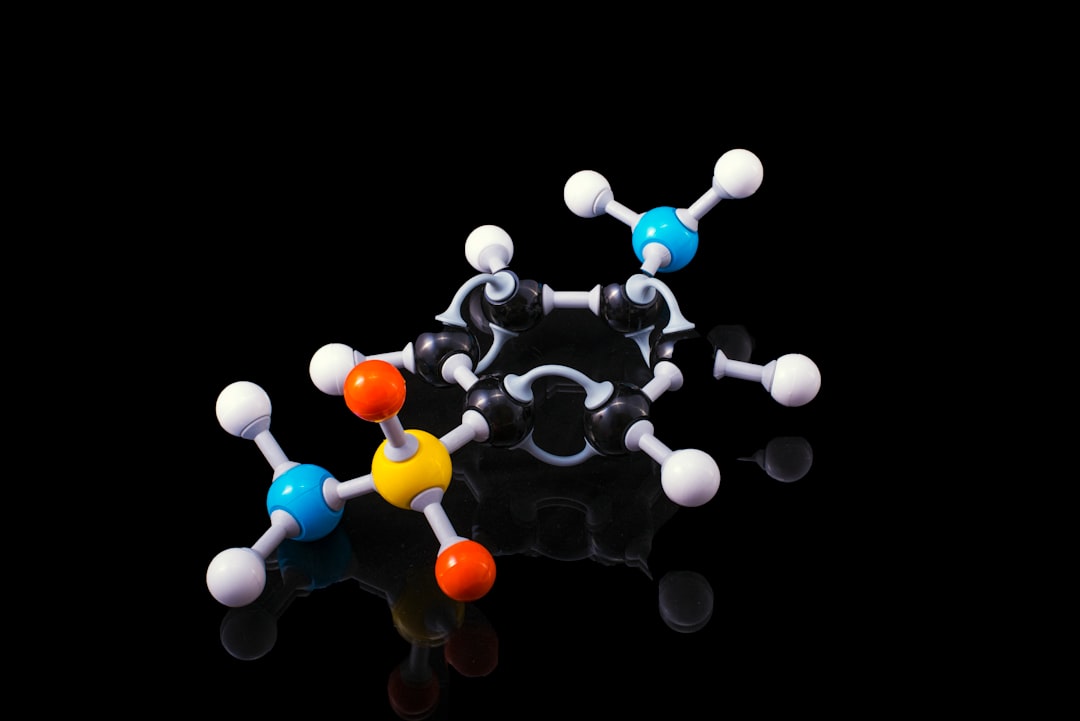
Bisphenol A (BPA) is a synthetic industrial chemical widely used in the production of polycarbonate plastics and epoxy resins. In dentistry, it has been a focal point of debate due to its role as a precursor building block in many traditional resin-based materials. To understand how BPA ends up in dental products, it is important to realize that free BPA is rarely added directly as an active ingredient by manufacturers. Instead, it enters dental materials as an residual synthesis impurity or through the breakdown of complex resin monomers.
Dental resins rely on various chemical compounds called monomers to form a hard, durable plastic matrix once cured with a special light. Many common dental monomers—such as Bis-GMA (bisphenol A-glycidyl methacrylate), Bis-DMA (bisphenol A-dimethacrylate), and Bis-EMA (ethoxylated bisphenol A dimethacrylate)—are synthesized using raw BPA as an initial chemical component. During industrial manufacturing, trace amounts of unreacted raw BPA can remain embedded in the final resin formulation as a contaminant. A major laboratory evaluation analyzing 70 commercial dental sealants from the U.S. market revealed that 46% contained detectable free BPA, while 87% contained BADGE (bisphenol A diglycidyl ether) derivatives, with BADGE concentrations reaching as high as 1780 µg/g.
To learn more about the broader biological implications of these compounds, read our detailed article on bpa exposure and new concerns for oral health.
How BPA Derivatives Hydrolyze in Saliva
Not all dental resin monomers act the same way inside the human mouth. The difference between stable monomers and those susceptible to chemical decay is critical when evaluating material safety.
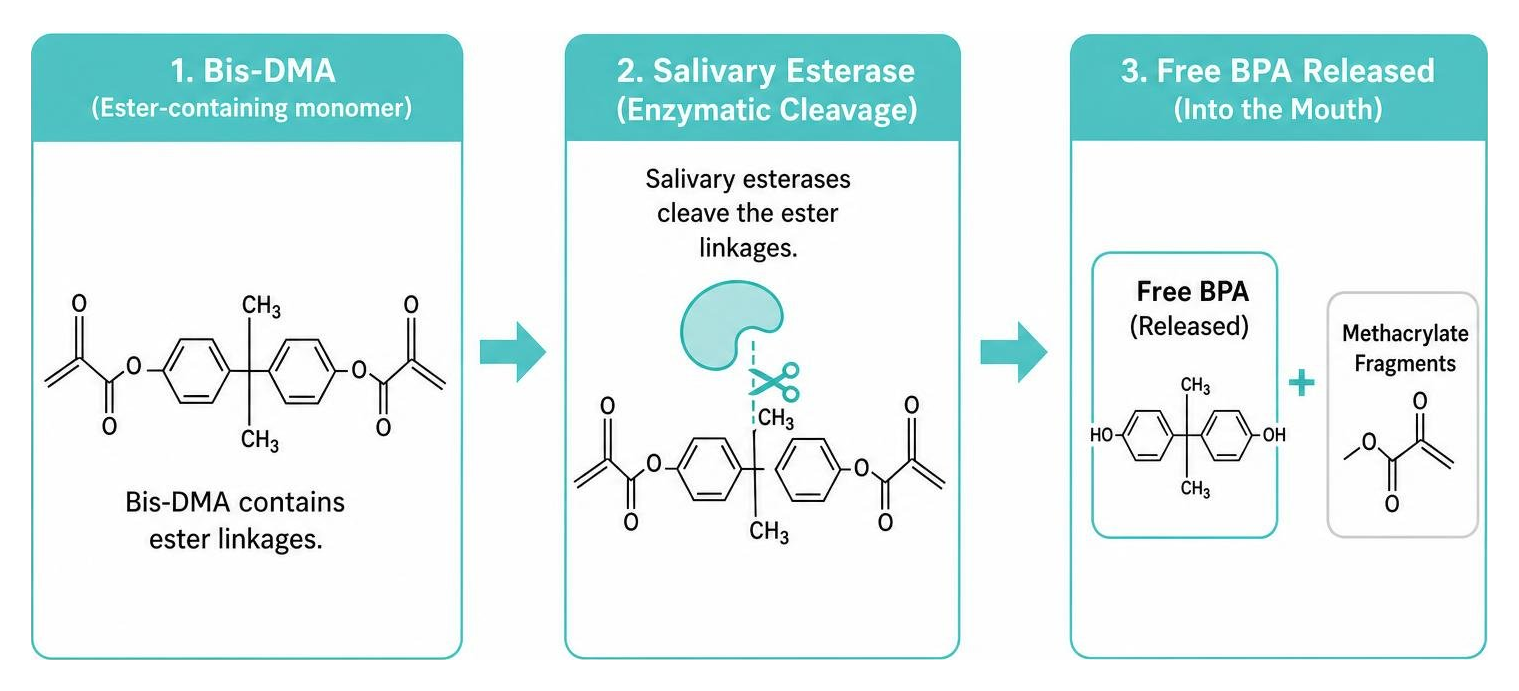
Bis-GMA is the most widely utilized resin monomer in traditional dentistry. Chemically, Bis-GMA features extremely strong chemical bonds that resist breakdown in human mouth fluids. Bis-DMA, on the other hand, possesses susceptible ester linkages that salivary esterases—enzymes naturally present in human saliva—can readily cleave. When salivary esterases degrade Bis-DMA through enzymatic cleavage, free BPA is released into the mouth.
Furthermore, during the placement of resin sealants, oxygen in ambient air inhibits complete hardening on the very top surface layer. This unpolymerized oxygen-inhibited layer contains unreacted monomers and impurities, including BADGE compounds, that leach into saliva immediately post-procedure. While these chemical dynamics are distinct from the organic acids produced by oral bacteria—which are the real cause of tooth decay acid—limiting unnecessary chemical release in the mouth remains a priority for holistic care.
Health Risks of BPA Exposure for Children
The primary medical concern surrounding BPA stems from its ability to act as an endocrine disruptor. Endocrine disruptors are exogenous chemicals that mimic or interfere with natural body hormones, particularly estrogen, by binding to cellular hormone receptors.
Children and developing fetuses are uniquely sensitive to hormone-disrupting substances. Because pediatric metabolic systems and organ systems are still developing, early chemical exposures can have disproportionate impacts. Potential risks linked to pediatric BPA exposure include:
- Early onset of puberty and hormonal imbalances.
- Behavioral shifts and alterations in neurodevelopment.
- Metabolic disturbances and heightened vulnerability to immune system challenges.
Because children are the primary target demographic receiving preventive molar coatings, parents frequently seek methods for preventing tooth decay without harsh chemicals. Using biocompatible, non-toxic dental materials eliminates avoidable exposure during critical developmental years.
What Are BPA Free Dental Sealants and How Do They Work?
BPA free dental sealants are specially formulated preventive coatings that completely eliminate BPA, Bis-DMA, Bis-GMA, and related bisphenol derivatives from their chemical structure. Applied directly to the chewing surfaces of posterior teeth, they coat deep pits, fissures, and anatomic grooves that toothbrushes cannot clean effectively.
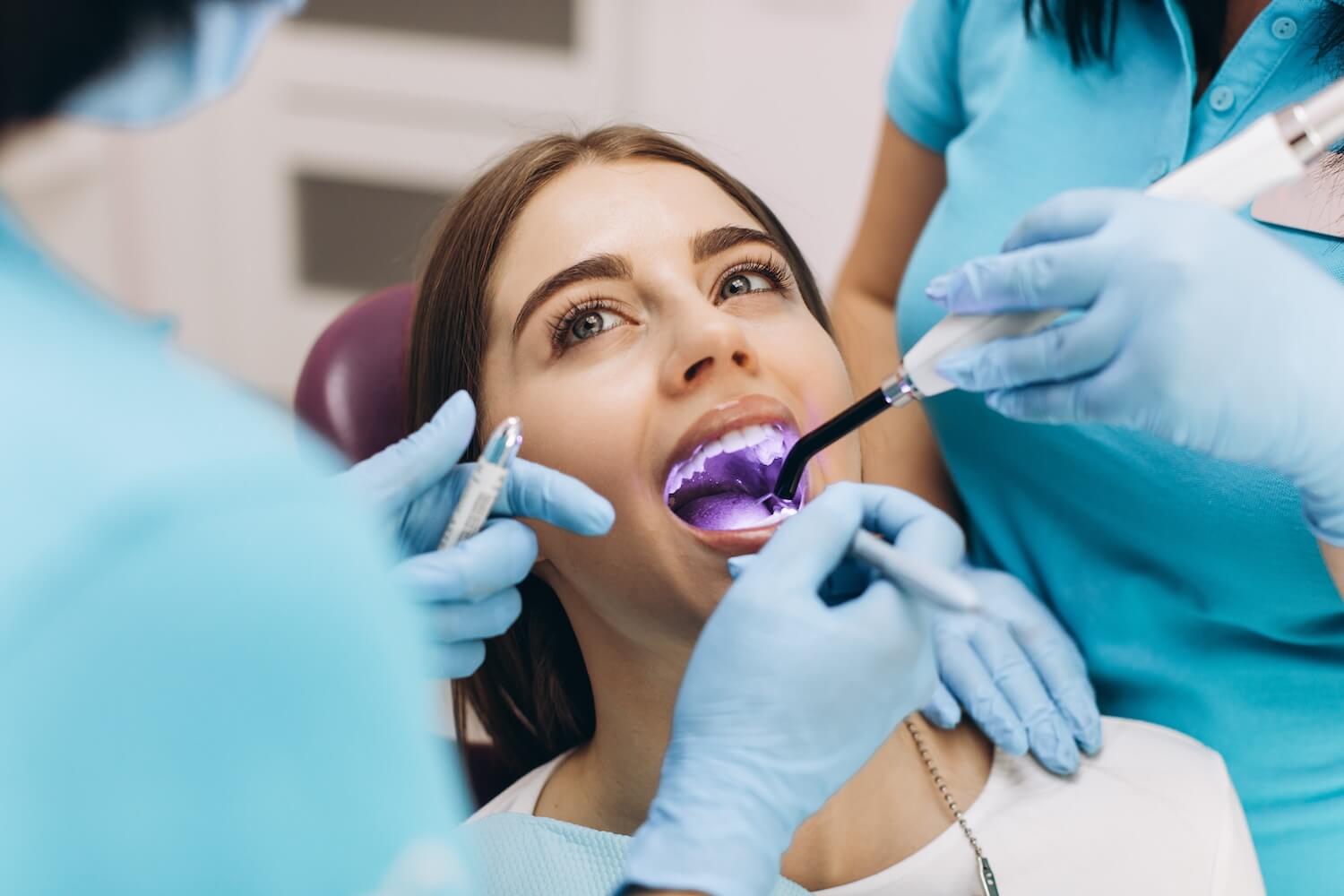
By filling these microscopic crevices, sealants create a smooth, physical barrier that stops plaque, bacteria, and food debris from collecting in vulnerable areas. When considering sealants for cavity prevention, choosing a BPA-free material protects enamel structure while supporting total-body wellness.
Chemical Formulations Behind BPA Free Dental Sealants
To eliminate bisphenol derivatives without sacrificing durability, modern dental science utilizes alternative material chemistry:
- Glass Ionomer Cements (GICs): Pure glass ionomers are 100% resin-free and BPA-free. They form via a acid-base reaction between polyacrylic acid liquid and fluoroaluminosilicate glass powder. Glass ionomer sealants bind chemically directly to natural tooth enamel and dentin without requiring harsh chemical bonding agents.
- Bioactive Glass and Ceramic Hybrid Materials: Advanced sealants use biocompatible silicate glass matrices loaded with calcium and sodium silicates. These materials flow smoothly into deep fissures without relying on problematic bisphenol monomers.
- UDMA/TEGDMA Resin Alternatives: Certain resin-based sealants achieve a BPA-free designation by utilizing aliphatic urethane dimethacrylate (UDMA) and triethylene glycol dimethacrylate (TEGDMA) instead of Bis-GMA or Bis-DMA.
Understanding these material distinctions is a core pillar of what is holistic dentistry, where every product placed in the mouth is evaluated for its systemic impact.
Comparing Performance: Retention, Bond Strength, and Microleakage
A common clinical question is whether BPA free dental sealants perform as effectively as conventional resin materials. Modern biomaterials have made dramatic technological leaps, delivering exceptional mechanical properties, impressive microshear bond strength, and superior microleakage prevention.
| Performance Metric | Traditional Bis-GMA Resin Sealants | BPA-Free Glass Ionomer / Bioactive Sealants |
|---|---|---|
| BPA / Bisphenol Content | May release trace free BPA or BADGE compounds | 100% free of BPA, Bis-GMA, and Bis-DMA |
| Bonding Mechanism | Micromechanical retention via acid etch & resin tags | Direct chemical adhesion to enamel and dentin minerals |
| Moisture Sensitivity | Extremely hydrophobic; fails if contaminated by saliva | Hydrophilic; highly forgiving in moist oral environments |
| Microleakage Resistance | Excellent when dry; elevated risk if moisture is present | Exceptional edge sealing; bioactive glass reduces leakage |
| Remineralization Potential | Passive barrier only (unless fluoride additive included) | Active mineral exchange and tooth remineralization |
Recent research evaluating bioactive glass glass-ionomer sealants showed microshear bond strengths comparable to commercial controls (~21.75 MPa vs 23.95 MPa) alongside significantly lower microleakage scores at tooth margins (p < 0.01). Furthermore, glass ionomers offer superior moisture forgiveness during application, making them exceptionally reliable when sealing newly erupted molars in young children where perfect moisture control is difficult.
Clinical Strategies to Minimize Chemical Exposure
Even when using traditional resin materials, precise clinical application protocols drastically lower chemical leaching. At Smiles by Shields, we prioritize advanced clinical strategies that protect our patients from unwanted chemical exposure at every step of treatment.
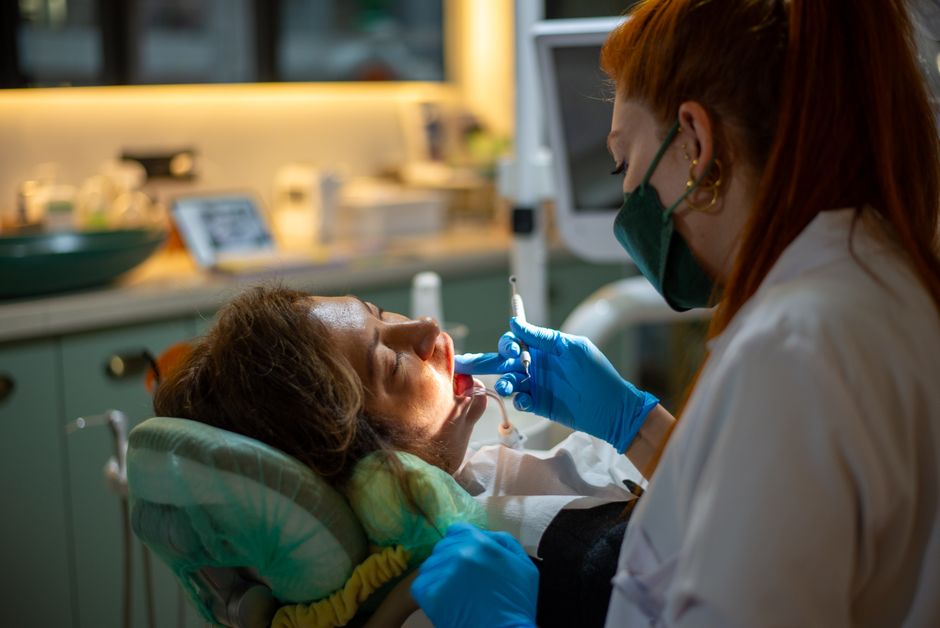
Integrating proper material placement procedures aligns with our core philosophy regarding the role of preventive dentistry—delivering safe, effective protective care without compromise.
How Dentists Ensure Complete Monomer Polymerization
Unreacted surface monomers represent the vast majority of chemical release following sealant placement. During curing, oxygen in the air inhibits full chemical conversion on the outer 5 to 15 microns of resin. Dentists can eliminate this surface layer and maximize monomer conversion through specific steps:
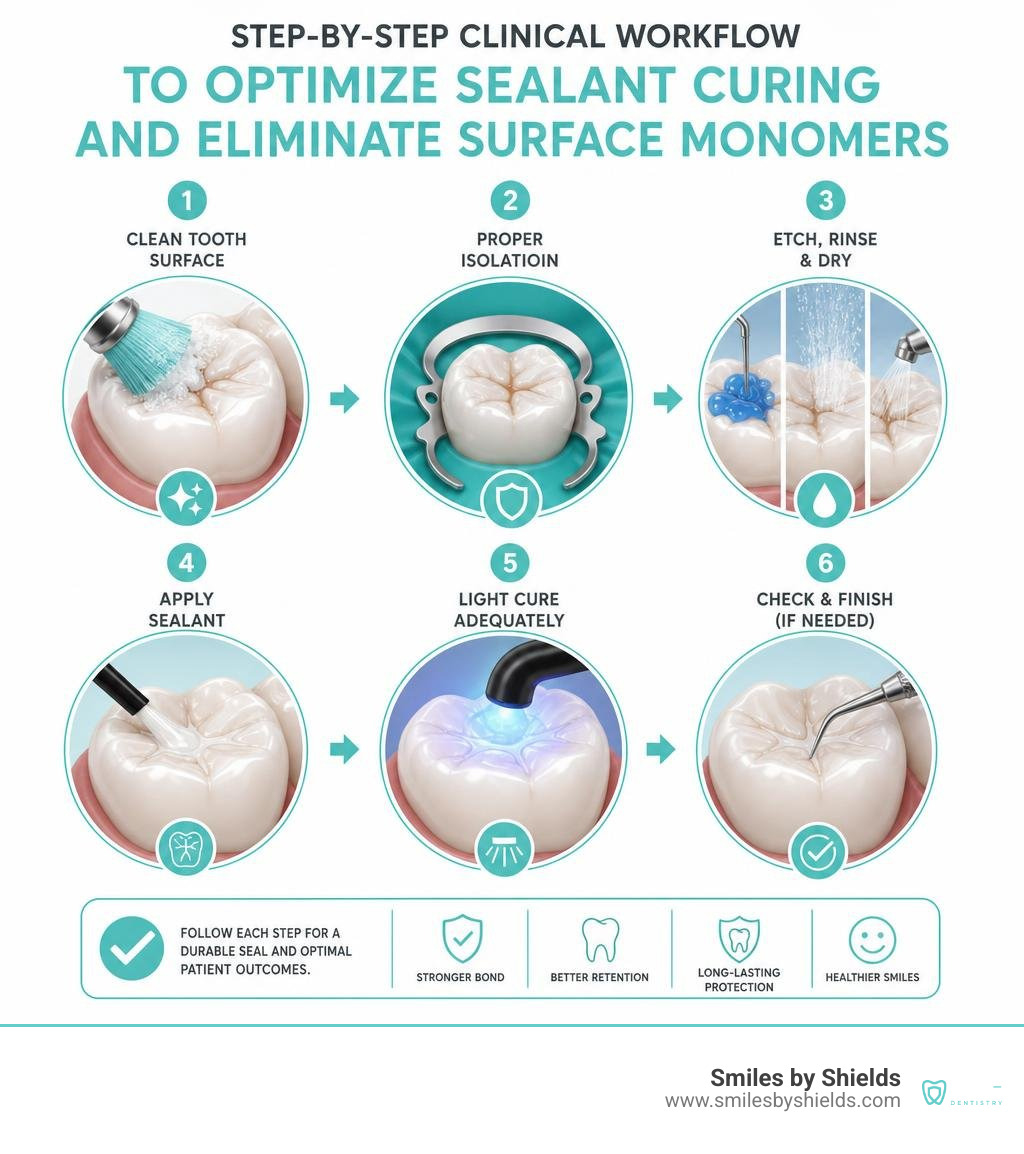
- Optimized Curing Lights: Using high-intensity LED curing lights at the manufacturer-recommended spectral output helps maximize polymer cross-linking.
- Proper Isolation: Keeping the tooth clean and dry during placement helps prevent saliva contamination and keeps uncured material limited to the treatment area.
- Surface Wiping and Pumicing: Wiping the cured sealant with a damp cotton roll, or polishing it with a light pumice paste, helps remove the unpolymerized outer surface layer.
- Post-Placement Rinsing: Having patients rinse thoroughly with warm water, along with high-volume evacuation suction, helps clear lingering surface leachables.
Applying these clinical precautions ensures that preventative care for healthy teeth remains non-toxic and thoroughly safe.
Official Consensus from Health Organizations (ADA and FDA)
Major regulatory and professional dental organizations—including the American Dental Association (ADA) and the U.S. Food and Drug Administration (FDA)—have evaluated the safety of resin-based sealants.
The ADA Council on Scientific Affairs reports that BPA exposure from conventional dental sealants is transient and extremely low. Median measured release levels sit at approximately 0.09 nanograms over 24 hours post-placement. To put this in perspective:
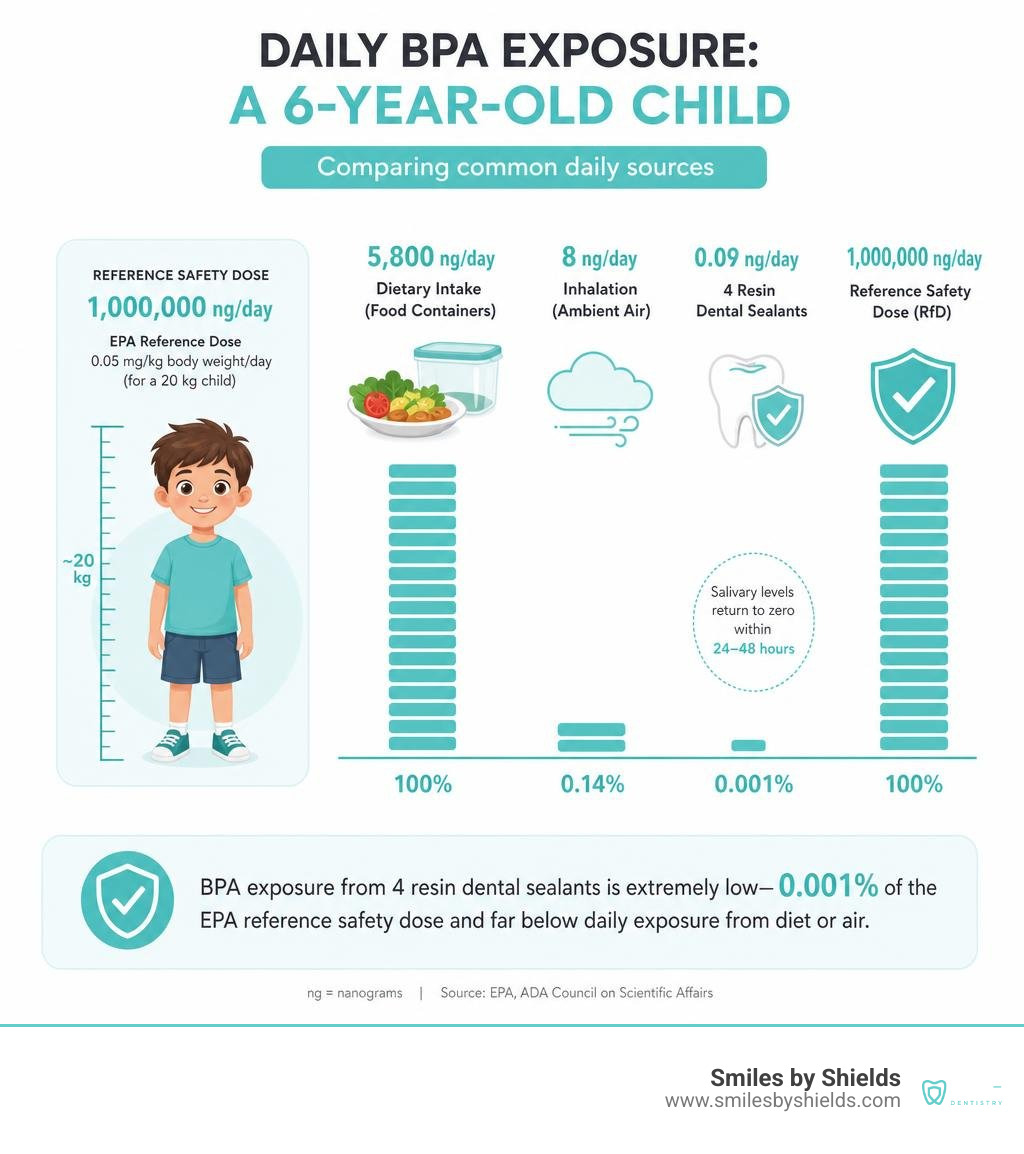
- The daily EPA reference safety dose for BPA is 0.05 mg/kg body weight/day (equivalent to 1,000,000 ng/day for a 20 kg child).
- Average daily dietary intake of BPA from food containers in children is roughly 5,800 ng/day.
- Daily BPA inhalation from ambient air accounts for approximately 8 ng/day.
- Transient release from 4 resin dental sealants accounts for roughly 0.09 ng/day (0.001% of daily exposure), with salivary levels returning to zero baseline within 24 to 48 hours.
While health authorities conclude that conventional resin sealants do not pose an acute systemic toxicity risk, holistic healthcare principles advocate for minimizing synthetic chemical exposures wherever viable alternatives exist. Experiencing the benefits of holistic dentistry means enjoying peace of mind by choosing bio-compatible materials that eliminate unnecessary risks entirely.
Frequently Asked Questions About BPA-Free Dental Sealants
How long do BPA-free dental sealants last on teeth?
BPA-free dental sealants, particularly glass ionomer and high-fill bioactive sealants, typically last between 3 to 9 years depending on oral habits, chewing pressure, and material composition. While resin-based sealants rely solely on physical mechanical retention, glass ionomers form a chemical bond directly to tooth enamel. Even if the visible surface layer wears down over time, glass ionomer material remains embedded inside deep microscopic fissures, continuing to protect against decay. Staying consistent with regular checkups allows your dental team to monitor sealant integrity during your routine stay on top of the 6 month checkups visits.
Do BPA-free sealants contain fluoride?
Some resin-based and glass ionomer BPA-free sealants contain fluoride, while others are completely fluoride-free. Glass ionomer sealants naturally release mineral ions—such as calcium, phosphate, and fluoride—to aid natural enamel remineralization. However, at Smiles by Shields, we recognize that many of our patients specifically seek fluoride-free holistic care. We offer completely fluoride-free and biocompatible preventive options tailored to your personal preferences. To understand our clinical philosophy regarding topical minerals, read why we choose not to use fluoride.
Are BPA-free sealants safe for young children and teens?
Yes, BPA free dental sealants are safe, non-invasive, and highly recommended for young children and teens. Permanent molars typically erupt around age 6 (first molars) and age 12 (second molars). The newly exposed biting surfaces have deep, narrow grooves that are especially vulnerable to decay during early years. Applying non-toxic, biocompatible sealants establishes a physical shield against bacterial accumulation, demonstrating how early intervention saves you money and protects from unnecessary procedures down the road.
Conclusion: Protecting Your Smile with Biocompatible Preventive Care
Preventing cavities should never require compromising on your standards for non-toxic, healthy living. While research shows that BPA release from traditional sealants is minor and short-lived, choosing BPA free dental sealants offers a simple, effective way to guard your teeth while keeping unnecessary synthetic chemicals out of your body.
At Smiles by Shields, Dr. Tiffany K. Shields and our dedicated Jacksonville team are committed to providing integrative, whole-body-focused dental care. By offering biocompatible materials, mercury-free restorations, fluoride-free alternatives, and personalized preventive therapies, we help you achieve a bright, healthy smile that supports your total wellness. Contact our office today to learn more about our biocompatible sealant options and schedule your family’s next wellness visit.