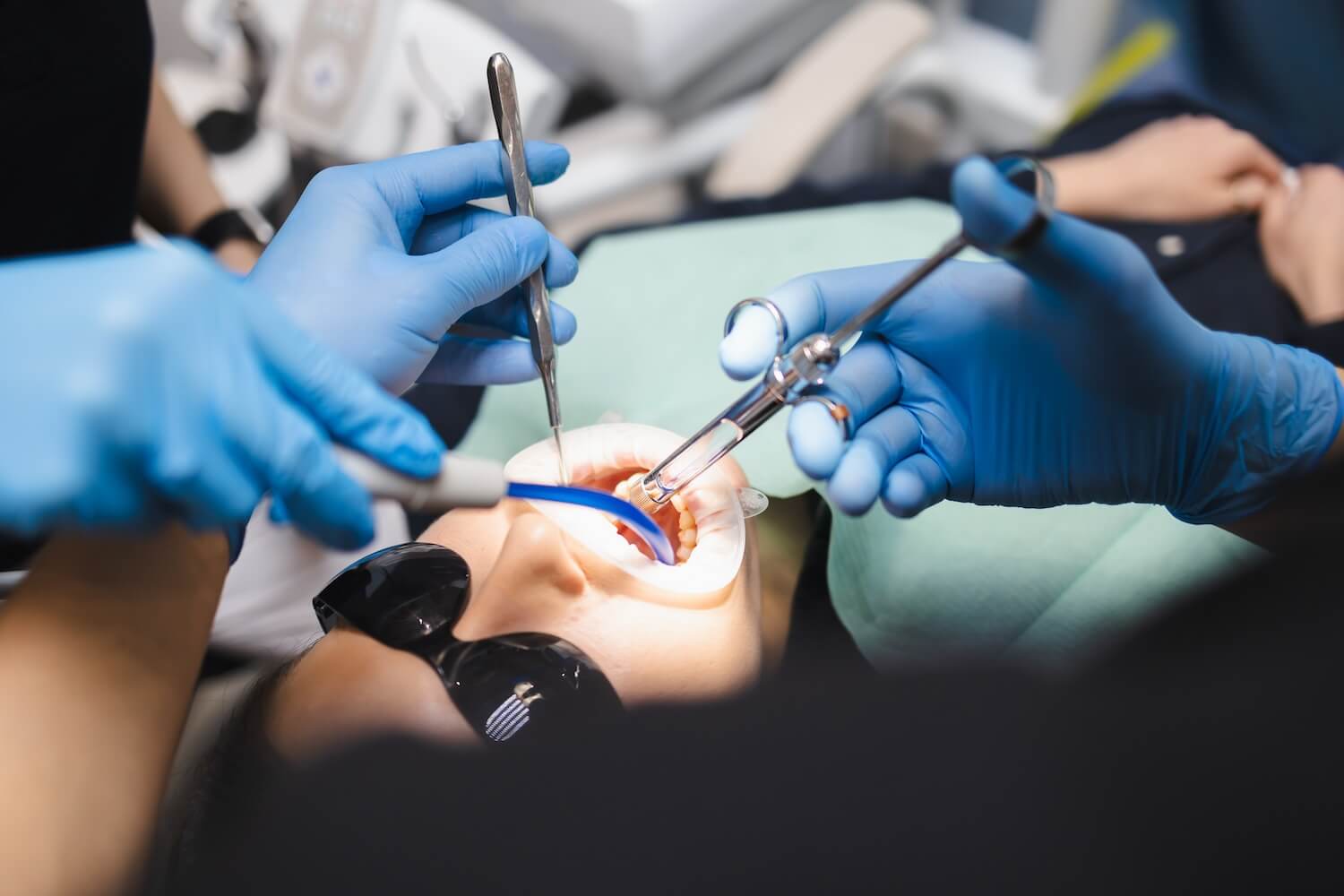
For many individuals, the news that a tooth needs to be extracted can be met with a mixture of anxiety and concern. While modern dentistry has made the extraction process itself relatively painless, the true challenge often lies in the days and weeks that follow. The recovery period is frequently associated with discomfort, swelling, and the persistent fear of complications like infections or the dreaded “dry socket.” However, a revolutionary advancement in dental science is changing this narrative entirely. By tapping into the body’s own biological resources, Platelet-Rich Plasma (PRP) therapy offers a way to heal faster, feel better, and achieve superior surgical results. This isn’t just a medical trend; it is a profound shift toward integrative, patient-centered care that prioritizes the body’s natural ability to regenerate.
The Biological Blueprint of Healing
To understand the power of PRP, one must first understand the fundamental way the body repairs itself. When you sustain an injury, your blood is the first responder. While red blood cells carry oxygen and white blood cells fight infection, platelets are the architects of repair. These tiny, disc-shaped components are famous for their ability to clot blood, but their role in healing goes much deeper. Within each platelet are “growth factors”, specialized proteins that act as biological messengers. When released at the site of a wound, these growth factors signal stem cells to migrate to the area, stimulate the production of new collagen, and trigger the regeneration of healthy tissue and bone.
In a standard healing scenario, the concentration of these growth factors is limited by the natural flow of blood to the site. PRP therapy changes this equation by creating a concentrated dose of these healing elements. By isolating and concentrating the platelets from a small sample of the patient’s own blood, dental professionals can deliver a massive “boost” of regenerative power directly to the surgical site. This approach is a cornerstone of the philosophy at Smiles By Shields, where the goal is to utilize biocompatible, natural methods to support the body’s innate healing abilities.
The Process: Turning Blood into “Liquid Gold”
The journey to a faster recovery begins with a simple, routine step. Before the tooth extraction or oral surgery commences, a small amount of blood, similar to what is taken for a standard lab test, is drawn from the patient’s arm. This sample is then placed into a centrifuge, a sophisticated machine that spins the blood at incredibly high speeds.
The physics of the centrifuge allow for the separation of blood into distinct layers based on density. The heavy red blood cells settle at the bottom, while the lighter plasma, rich in platelets and growth factors, rises to the top. Often, the sample is processed a second time to further refine and concentrate the platelets, resulting in what is frequently referred to as “liquid gold.” This concentrated plasma is 100% biocompatible because it is derived entirely from the patient’s own body. There is no risk of allergic reaction, rejection, or disease transmission, making it one of the safest and most natural enhancements available in modern surgery.
Once the tooth is extracted, this PRP is applied directly into the empty socket or surgical site. It may be used in a liquid form or processed into a fibrin clot that can be tucked into the wound. Once in place, the PRP begins its work immediately, flipping the “on switch” for the body’s regenerative processes.
An In-Depth Look at the Benefits of PRP
The advantages of incorporating PRP into an extraction or surgical plan are numerous and profound. By understanding these benefits in depth, patients can make informed decisions that lead to a smoother, more predictable recovery.
1. Dramatically Accelerated Healing
The most striking benefit of PRP is the sheer speed of recovery. Clinical research has demonstrated that patients treated with PRP can heal as much as six times faster than those who undergo surgery without it. This isn’t just about a wound closing quickly; it’s about the quality of the tissue being formed. The growth factors in PRP accelerate the “re-epithelialization” process, the formation of new skin and gum tissue, which seals the surgical site and protects it from the external environment much sooner than traditional healing would allow.
2. Enhanced Bone Regeneration
For many patients, a tooth extraction is only the first step in a larger plan that may include dental implants. The success of an implant depends heavily on the quality and density of the jawbone. When a tooth is removed, the bone in that area naturally begins to resorb or shrink over time. PRP mitigates this by stimulating the production of new bone cells within the socket. By promoting faster and denser bone growth, PRP creates a more stable foundation for future restorations, ensuring that the jaw remains strong and the facial structure is preserved.
3. Significant Reduction in Pain and Swelling
Post-operative discomfort is often driven by inflammation. While inflammation is a necessary part of the early healing response, excessive or prolonged inflammation leads to pain and significant swelling. PRP therapy helps to modulate this response. Because the growth factors encourage a more efficient and organized healing process from the very first minute, the body doesn’t need to stay in a state of high inflammation for as long. Patients treated with PRP frequently report requiring less pain medication and experiencing a much faster return to their normal appearance and comfort levels.
4. Prevention of Complications and “Dry Socket”
One of the most painful complications following a tooth extraction is a “dry socket.” This occurs when the blood clot that is supposed to form in the socket is dislodged or dissolves prematurely, exposing the underlying bone and nerves to air, food, and bacteria. PRP significantly reduces this risk. By creating a dense, platelet-rich fibrin scaffold within the socket, PRP provides a more stable and resilient “clot” that is less likely to be disturbed. Furthermore, the enhanced blood circulation promoted by PRP ensures that the area remains well-nourished and better equipped to fight off potential infections.
The Integrative Connection: A Holistic Approach to Surgery
The use of PRP therapy is a perfect reflection of the integrative approach to dentistry practiced at Smiles By Shields. Integrative dentistry recognizes that the mouth is not an isolated system; every treatment performed in the dental chair has implications for the entire body. By choosing a treatment that relies on the body’s own biology rather than synthetic chemicals or high doses of anti-inflammatory drugs, patients are supporting their systemic health.
This holistic mindset extends beyond PRP. For example, a practice that values the body’s natural healing potential is also likely to be highly selective about the materials used for restorations. This includes a commitment to being mercury-free and following strict safety protocols for the removal of old amalgam fillings to protect the patient from toxic exposure. It also involves the use of biocompatible, BPA-free, and fluoride-free materials for fillings and crowns, ensuring that nothing placed in the mouth will hinder the body’s natural state of wellness.
Synergies in Technology: PRP and Laser Care
Modern technology has provided additional tools that complement the healing power of PRP. One such advancement is the Fotona Lightwalker Laser. This state-of-the-art technology allows for many dental procedures, such as filling cavities or performing minor soft tissue surgeries, to be completed without the need for traditional shots or drills. The laser uses light energy to remove decay with extreme precision while providing a natural antibacterial effect.
For a patient undergoing a dental extraction with PRP, the use of oral laser technology in other parts of their treatment plan can further reduce stress and promote healing.
For instance, the laser can be used to decontaminate a surgical site or even help with non-invasive treatments like Nightlase, which tightens the tissues in the airway to reduce snoring and improve sleep quality. When PRP is combined with these kinds of advanced, gentle technologies, the result is a dental experience that is more comfortable, more effective, and deeply supportive of the patient’s overall quality of life.
Who is a Candidate for PRP?
PRP therapy is incredibly versatile and is suitable for nearly any patient undergoing an oral surgery procedure. While it is highly recommended for standard extractions to prevent dry socket and speed up healing, it is particularly beneficial for:
- Dental Implant Patients: To ensure the best possible bone integration and long-term stability.
- Wisdom Tooth Extractions: Where the surgical sites are often larger and the risk of swelling and dry socket is higher.
- Bone Grafting: To help the graft material integrate with the natural bone more effectively.
- Patients with Slower Healing: Such as those with certain health conditions or the elderly, who may need an extra biological “boost” to ensure a successful recovery.
At Smiles By Shields, every patient’s medical history and unique health goals are carefully evaluated to determine how PRP and other integrative treatments can best support their journey toward wellness.
Frequently Asked Questions (FAQs)
What exactly is Platelet-Rich Plasma?
PRP is a concentrated form of your own blood plasma that contains a high level of platelets and growth factors. These components are essential for tissue repair, bone regeneration, and blood circulation.
How is the PRP applied during my tooth extraction?
After the tooth is removed, the concentrated PRP, often in the form of a gel-like clot, is placed directly into the socket. It acts as a protective shield and a source of continuous healing factors for the surgical site.
Is the procedure for getting PRP painful?
Not at all. The process begins with a simple blood draw from the arm, which feels just like a routine blood test. This is done while you are already in the office for your procedure, making it a convenient and seamless part of your visit.
Are there any risks associated with PRP?
Since PRP is made from your own blood, it is 100% biocompatible. There is virtually no risk of allergic reaction, rejection, or infection from an outside source. It is considered one of the safest ways to enhance surgical healing.
Can PRP help if I need a dental implant in the future?
Yes, this is one of its greatest benefits. PRP stimulates the growth of new bone in the extraction socket, preventing the bone loss that usually occurs after a tooth is pulled. This creates a much stronger foundation for a future dental implant.
How much faster is the healing?
While every person’s body is different, studies show that PRP can help patients heal up to six times faster than traditional methods. This means less time waiting for the wound to close and a quicker return to your daily activities.
Conclusion: Investing in Your Body’s Potential
The decision to utilize Platelet-Rich Plasma therapy is more than just a choice for a faster recovery; it is a choice to honor and support the incredible healing intelligence of your own body. By concentrating the “liquid gold” found within your own blood, you are giving your immune system and your regenerative cells the tools they need to perform at their absolute best.
In the hands of a team dedicated to integrative and compassionate care, such as the professionals at Smiles By Shields, PRP becomes an integral part of a comprehensive health strategy. It allows for a surgical experience that is defined by comfort rather than pain, and by rapid restoration rather than a long, uncertain recovery. Your oral health is the gateway to your total body wellness, and by choosing the most advanced, natural, and effective treatments available, you are securing a brighter, healthier future for your entire smile.