What Kills Bacteria in the Mouth Naturally?
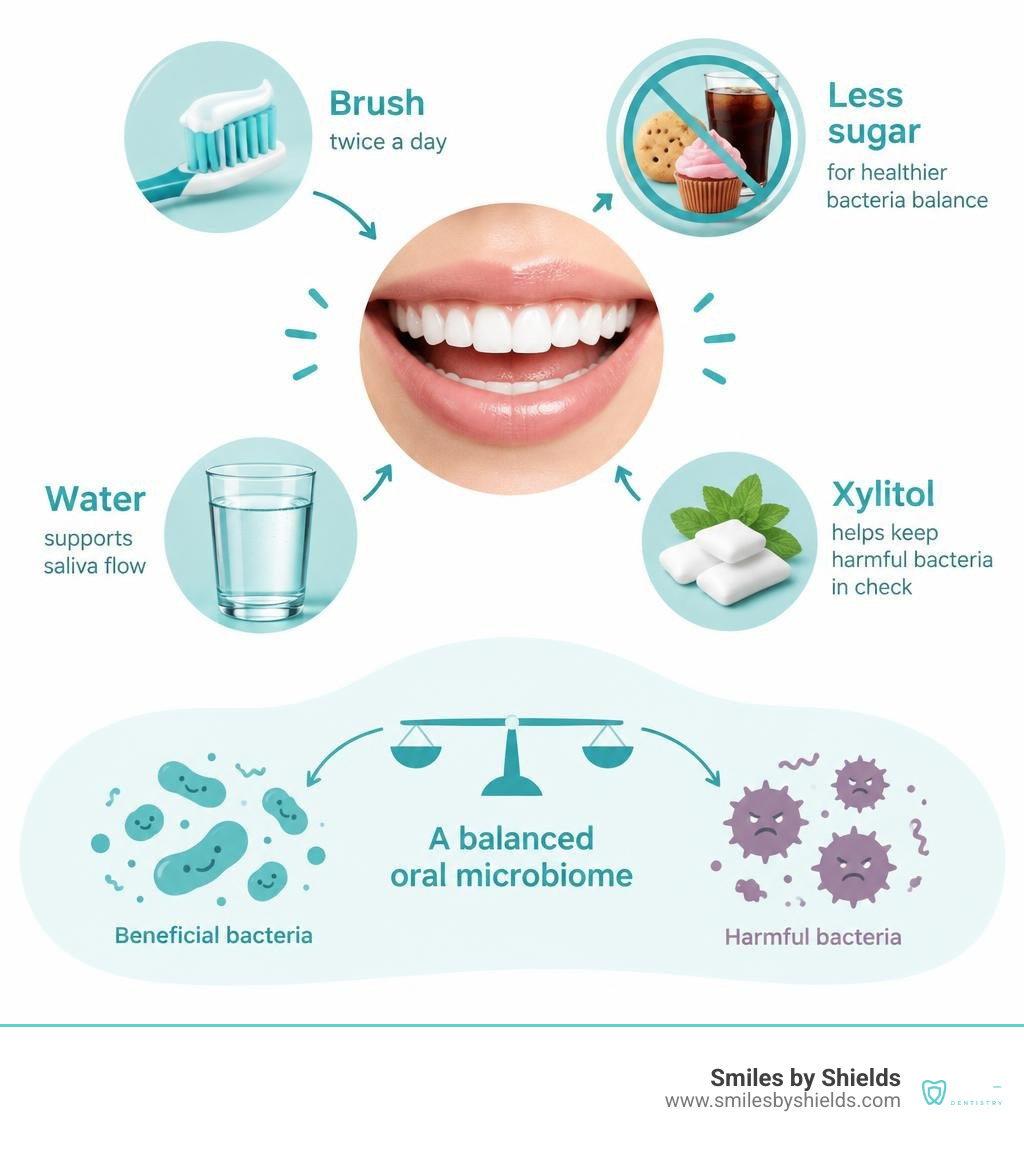
The best answer to what kills bacteria in the mouth naturally starts with daily habits: brush twice a day, clean between your teeth once a day, limit sugary snacks and drinks, and drink water to support saliva. Sugar-free xylitol gum can also help after meals. These steps remove plaque or make it harder for harmful bacteria to thrive.
Your mouth is home to hundreds of kinds of microbes, and many belong there. The goal is not to kill them all. It is to keep the mouth healthy so bacteria linked to cavities and gum disease do not take over. Plant-based rinses may help, but they work best alongside daily cleaning, not in place of it.
I’m Dr. Tiffany K. Shields, a Jacksonville biological and holistic dentist with a background in microbiology and an integrative approach to oral care. At Smiles by Shields, I help patients understand what kills bacteria in the mouth naturally while caring for their oral health as part of their overall well-being.
Understanding the Oral Microbiome: Beneficial vs. Harmful Bacteria
The human mouth is one of the most microbially diverse habitats on Earth. Over 700 species of microbes—including bacteria, fungi, and viruses—colonize the surfaces of your teeth, gums, tongue, and cheeks. Exploring the role of oral bacteria in whole-body health reveals that our bodies rely on these microorganisms for vital daily functions.
Rather than viewing the mouth as a sterile zone that needs harsh disinfection, integrative dentistry views it as an ecosystem requiring balance, or eubiosis. When you look at the types of bacteria present in the oral cavity, they fall into two general groups: commensal (beneficial) organisms and opportunistic pathogens.
The Complex Oral Ecosystem: Beyond Total Sterilization
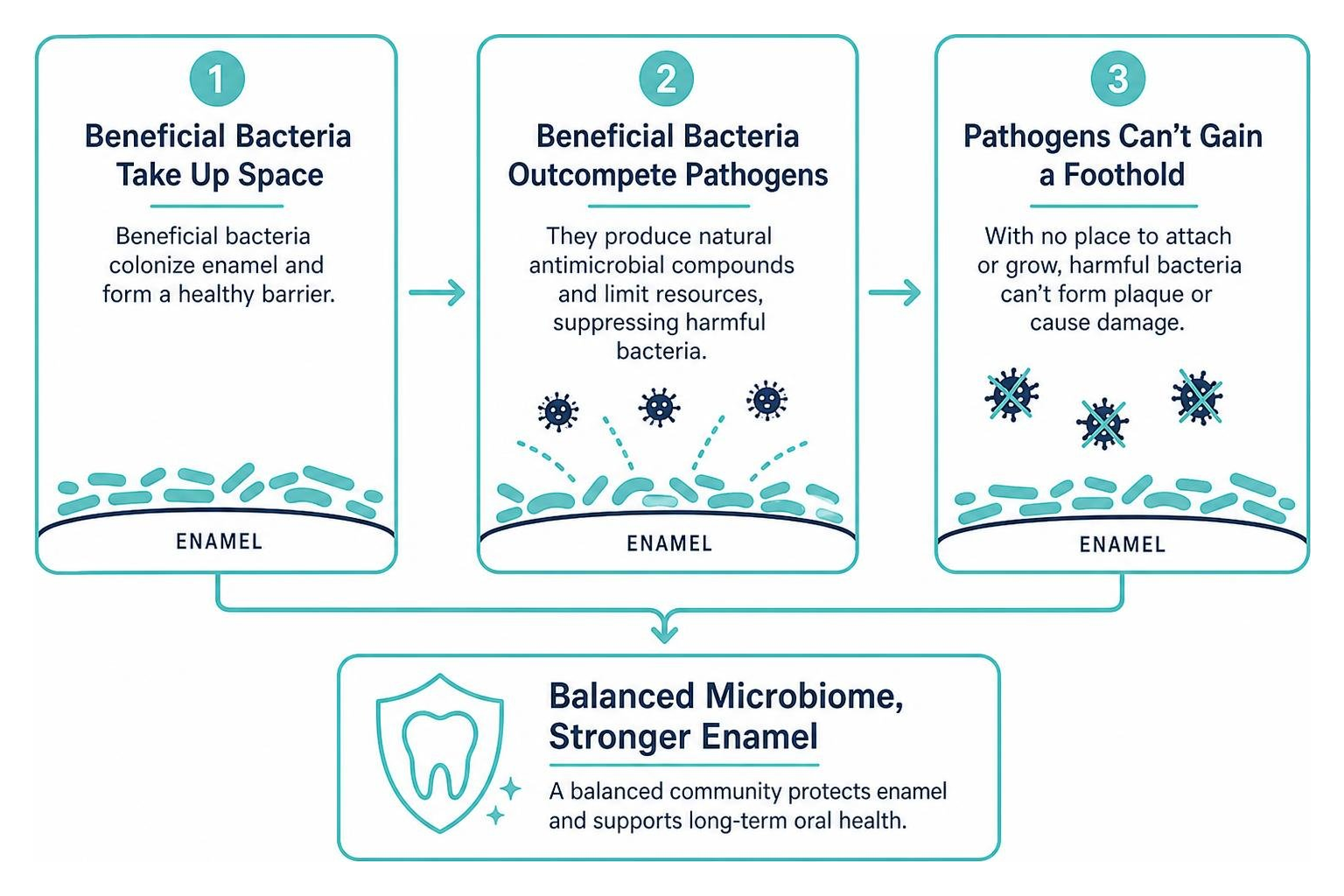
Beneficial oral microbes act as our first line of immune defense. Strains like Streptococcus salivarius and Streptococcus dentisani produce natural antimicrobial peptides (bacteriocins) that suppress destructive invaders. Furthermore, certain commensal bacteria convert dietary nitrates from green vegetables into nitrites, which the body converts into nitric oxide—a signaling molecule essential for regulating blood pressure and vascular elasticity.
Over-sanitizing the mouth disrupts this delicate system. Research shows that oral bacterial imbalances and immune health are deeply intertwined; wiping out beneficial flora can lower systemic defenses and trigger inflammation throughout the body. Additionally, science continues to explore managing unidentifiable oral bacteria, as roughly 50% of oral microbial species remain uncultured. Eradicating everything with synthetic chemicals risks destroying species whose protective roles we are only beginning to document.
Major Oral Pathogens: Streptococcus Mutans, P. Gingivalis, and Biofilms
When the oral ecosystem shifts out of balance (dysbiosis), specific opportunistic pathogens proliferate:
- Streptococcus mutans: The primary driver of tooth decay. S. mutans metabolizes fermentable carbohydrates and synthesizes a sticky glue called an exopolysaccharide (EPS) matrix using glucosyltransferase enzymes. This allows the bacteria to adhere to enamel and produce lactic acid, which leaches minerals from teeth.
- Porphyromonas gingivalis: A black-pigmented anaerobic bacterium that acts as a keystone pathogen in periodontal disease. It produces aggressive proteases (gingipains) that degrade collagen and soft gum tissue.
- Fusobacterium nucleatum: A bridge organism that binds early colonizers on the tooth surface to late-stage pathogenic anaerobes, facilitating thick subgingival plaque formation.
Pathogenic bacteria rarely float around alone; they organize into complex, structured biofilms. Within a mature biofilm, bacteria communicate via quorum sensing and become up to 1,000 times more resistant to antimicrobial agents than free-floating (planktonic) cells.
What Kills Bacteria in the Mouth Naturally: Top Botanical and Herbal Extracts
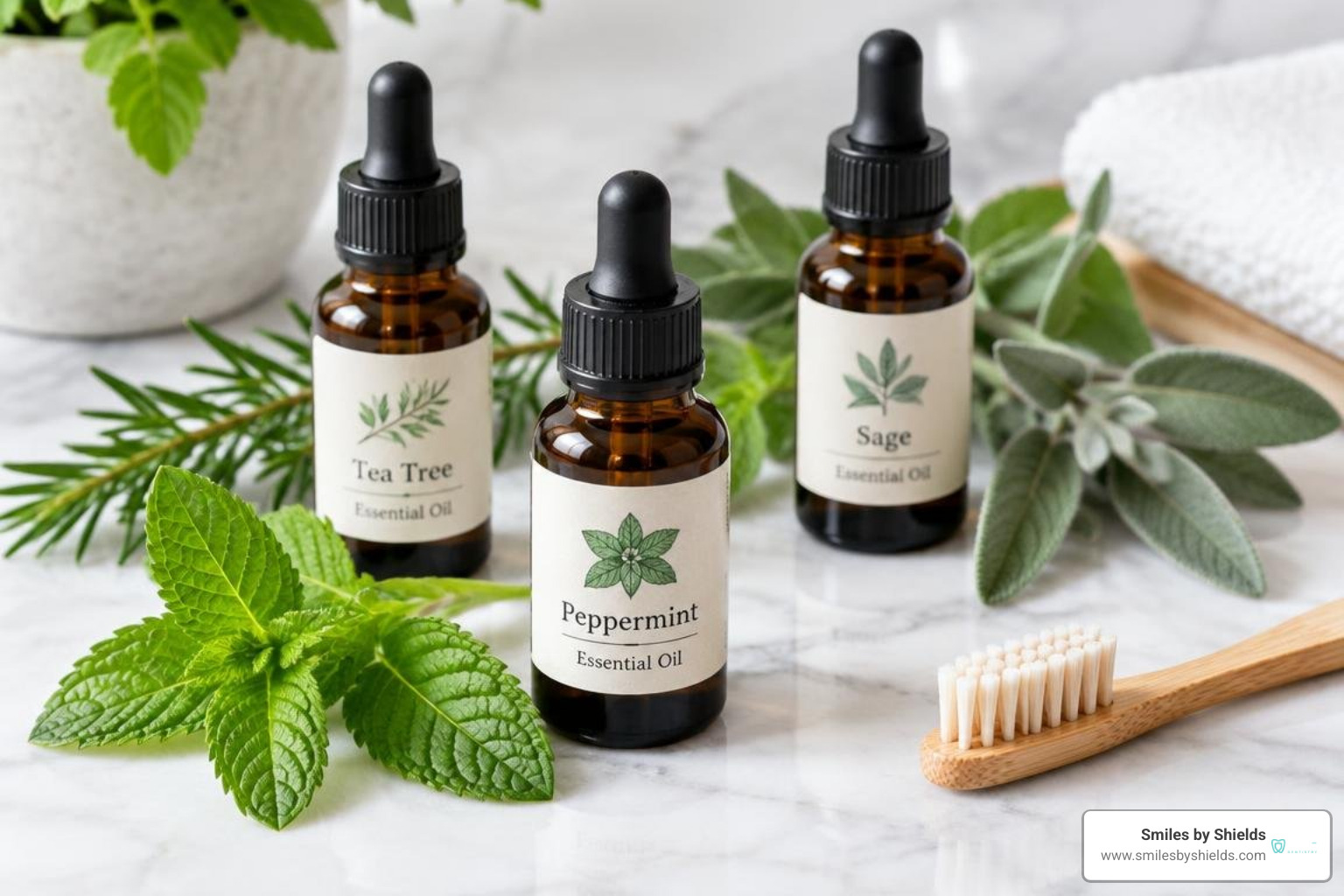
Nature provides potent phytochemicals capable of disrupting bacterial membranes and inhibiting biofilm enzymes without synthetic side effects. Learning about preventing tooth decay without harsh synthetic chemicals highlights how plant-derived compounds selectively target pathogens while supporting tissue healing. These natural therapies represent breakthrough strategies in controlling oral bacteria.
| Botanical Agent | Active Compounds | Primary Mechanism of Action | Target Pathogens |
|---|---|---|---|
| Tea Tree Oil | Terpinen-4-ol | Disrupts lipid cell membrane integrity and causes cellular leakage | S. mutans, P. gingivalis |
| Clove Bud | Eugenol | Membrane lysis, local analgesia, and anti-inflammatory enzyme suppression | P. gingivalis, F. nucleatum |
| Bee Propolis | Flavonoids, Pinocembrin | Glucosyltransferase enzyme inhibition and bacterial cell division arrest | S. mutans, C. albicans |
| Neem (Azadirachta indica) | Azadirachtin, Nimbin | Decreases cell-surface hydrophobicity to prevent enamel adhesion | Cariogenic and periodontal bacteria |
| Garlic Extract | Allicin | Inactivates sulfhydryl-containing enzymes and bacterial proteases | P. gingivalis, T. forsythia |
| Cranberry | Type-A Proanthocyanidins (PACs) | Non-biocidal anti-adhesion; prevents streptococcal surface binding | S. mutans, S. sobrinus |
Essential Oils: What Kills Bacteria in the Mouth Naturally Through Biofilm Disruption
Plant essential oils possess lipophilic (fat-soluble) properties that enable them to penetrate sticky plaque matrix barriers. Once inside, they integrate into the lipid membranes of bacterial cells, altering cell permeability and causing rapid leakage of critical intracellular contents:
- Tea Tree Oil (Melaleuca alternifolia): Exhibits minimum inhibitory concentration (MIC) values against oral pathogens ranging from 0.003% to 2.0%. It reduces gingival bleeding scores by degrading pathogenic cell walls.
- Eucalyptol, Menthol, and Thymol: These classic botanical terpenes penetrate established biofilm clusters, reducing plaque biomass and neutralizing the volatile sulfur compounds responsible for halitosis.
- Clove Bud Oil (Syzygium aromaticum): High in eugenol, clove oil provides antimicrobial action against anaerobic periodontal pathogens while soothing irritated soft tissues.
Traditional Phytochemicals: Propolis, Neem, Garlic, and Macelignan
Traditional global medicine offers several time-tested botanicals with modern scientific validation:
- Bee Propolis: Rich in bioflavonoids, propolis suppresses glucosyltransferase enzymes and stops bacterial cell proliferation. Clinical studies indicate propolis rinses reduce salivary S. mutans counts with efficacy comparable to conventional prescription rinses.
- Neem (Azadirachta indica): Extensively used in Ayurvedic medicine, neem extract reduces the cell-surface hydrophobicity of cariogenic microbes, preventing them from clinging to tooth surfaces.
- Garlic (Allium sativum) and Allicin: Allicin exerts strong bactericidal activity against Porphyromonas gingivalis by inhibiting its essential trypsin-like proteases. In clinical trials, a 2.5% garlic extract mouthwash sustained significantly lowered bacterial levels two weeks after use.
- Macelignan (from Nutmeg): Demonstrates low MIC values (3.9 μg/mL) against S. mutans, completely inactivating primary cariogenic bacteria in under one minute at bioactive concentrations.
Cranberry and Polyphenols: Natural Anti-Adhesion Mechanisms
Not every natural solution relies on direct cell killing. Cranberry (Vaccinium macrocarpon) contains high concentrations of Type-A proanthocyanidins (PACs) that function as natural anti-adhesion agents. PACs alter bacterial cell surface structures, preventing Streptococcus species from adhering to the salivary pellicle on your teeth.
Research shows that cranberry juice exposure for as little as 10 seconds can inhibit oral streptococci adhesion to saliva-coated surfaces by 61.8% to 95.1%. By preventing colonization without killing the bacteria outright, anti-adhesion compounds exert low selective pressure, reducing the risk of microbial resistance.
Diet and Functional Compounds That Eliminate Harmful Mouth Bacteria

Daily nutrition directly shapes the composition of your oral microbiome. Understanding how sugar impacts oral health and feeds bacteria clarifies why dietary intervention is fundamental. Every carbohydrate exposure provides fuel for acidogenic species, proving that dietary acid is the root cause of tooth decay.
Nutritional Changes: What Kills Bacteria in the Mouth Naturally by Balancing Salivary pH
Switching to the best dietary choices for optimal oral health means limiting fermentable sugars, refined carbohydrates, and acidic processed drinks. This starves acid-producing bacterial populations.
Furthermore, wholesome nutrition supports the importance of saliva for oral health. Saliva acts as a natural buffer, containing bicarbonate ions, immunoglobulins (IgA), lactoferrin, and lysozyme that continuously neutralize acids and control microbial overgrowth. Chewing raw, fibrous vegetables like carrots, celery, and apples stimulates salivation while physically wiping away bacterial debris.
Xylitol and Probiotics: Starving Pathogens and Restoring Flora
Two evidence-backed functional compounds help reshape the oral microbial community:
- Xylitol: A naturally occurring five-carbon sugar alcohol derived from birch bark or plant fibers. Unlike six-carbon sucrose, cariogenic bacteria like S. mutans cannot ferment xylitol. The bacteria absorb xylitol, expend energy trying to process it through a futile metabolic cycle, and become starved of energy. Xylitol at a 1.56% concentration significantly inhibits the growth and acid production of S. mutans. Research on xylitol’s role in oral health confirms that consuming 5 to 6 grams of xylitol daily across mints or chewing gum reduces decay risk.
- Oral Probiotics: Using targeted probiotics to prevent cavities introduces friendly strains such as Lactobacillus reuteri, Streptococcus salivarius (K12/M18), and Bifidobacterium. These strains colonize oral ecological niches, outcompeting pathogenic invaders for nutrients and surface space through competitive exclusion.
Green Tea Catechins and Vitamin D for Periodontal Protection
Green tea (Camellia sinensis) is packed with epigallocatechin gallate (EGCG), a polyphenol that binds to bacterial cell membranes, disrupts glucosyltransferase activity, and blocks inflammatory cytokine production. A 0.5% green tea rinse has been shown to raise salivary pH and reduce plaque accumulation effectively.
Concurrently, adequate Vitamin D levels promote the systemic and localized production of cathelicidin and defensins—natural antimicrobial peptides produced by the gingival epithelium that target subgingival anaerobic bacteria and help protect the alveolar bone surrounding your teeth.
Mechanical and Home Hygiene Habits to Reduce Oral Bacteria
Chemical and botanical rinses cannot replace physical biofilm removal. A reliable strategy for fighting tooth decay naturally combines targeted botanical agents with daily mechanical debridement. These habits form the foundation of what is healthy when it comes to your teeth.
Daily Plaque Disruption: Brushing, Flossing, and Tongue Scraping
Bacterial biofilm forms continuously. Removing it before it mineralizes into hard calculus (tartar) requires a consistent mechanical routine:
- Brushing Twice Daily: Use a soft-bristled brush angled at 45 degrees toward the gumline (Modified Bass Technique). Move the brush in gentle, circular vibrations to disrupt plaque along the gingival margin without abrading the enamel.
- Interdental Cleaning Daily: Floss curved in a ‘C’ shape around each tooth, or use interdental brushes to disrupt subgingival bacteria between teeth where toothbrushes cannot reach.
- Tongue Scraping: Up to 80% of oral bacteria reside on the rough surface of the tongue. Scraping from back to front with a dedicated stainless steel or copper tongue scraper removes bacterial biofilms, dead epithelial cells, and volatile sulfur compounds.
Natural Rinses: Saltwater Osmosis vs. Baking Soda Alkalinity
At-home kitchen staples provide effective antimicrobial support:
- Warm Saltwater (Hypertonic Saline): Dissolving 1/2 teaspoon of salt in warm water creates a hypertonic environment. Through osmosis, water is drawn out of bacterial cells, dehydrating and inactivating them. Saline rinses also stimulate local circulation and soothe irritated gum tissue.
- Baking Soda (Sodium Bicarbonate): Dissolving 1/2 teaspoon of baking soda in 250 mL of water creates a mildly alkaline (1%) solution. This neutralizes harmful dietary and bacterial acids, raises oral pH above the critical demineralization threshold of 5.5, and exerts direct bactericidal effects against acidogenic Streptococcus species.
Coconut Oil Pulling and Antimicrobial Lipid Cleansing
Oil pulling is an ancient Ayurvedic practice (kavala or gandusha) involving swishing one tablespoon of virgin coconut oil in the mouth for 15 to 20 minutes before spitting it into a trash bin.
Coconut oil is roughly 50% lauric acid. During swishing, salivary enzymes split lauric acid into monolaurin, a monoglyceride that disrupts the lipid membranes of bacteria and fungi. Swishing also emulsifies the oil, creating a saponification (soap-like) mechanism that lifts hydrophobic bacteria off enamel and gingival tissues. While oil pulling effectively lowers plaque index scores over short periods, it should complement—not replace—daily brushing and flossing.
The Science of Oxidizing Agents: Hydrogen Peroxide and Microbiome Safety
Hydrogen peroxide (H₂O₂) is a widely used oral cleansing agent. Understanding its biochemical mechanism helps clarify its safe, practical application.
Reactive Oxygen Species: Benefits Against Anaerobic Pathogens
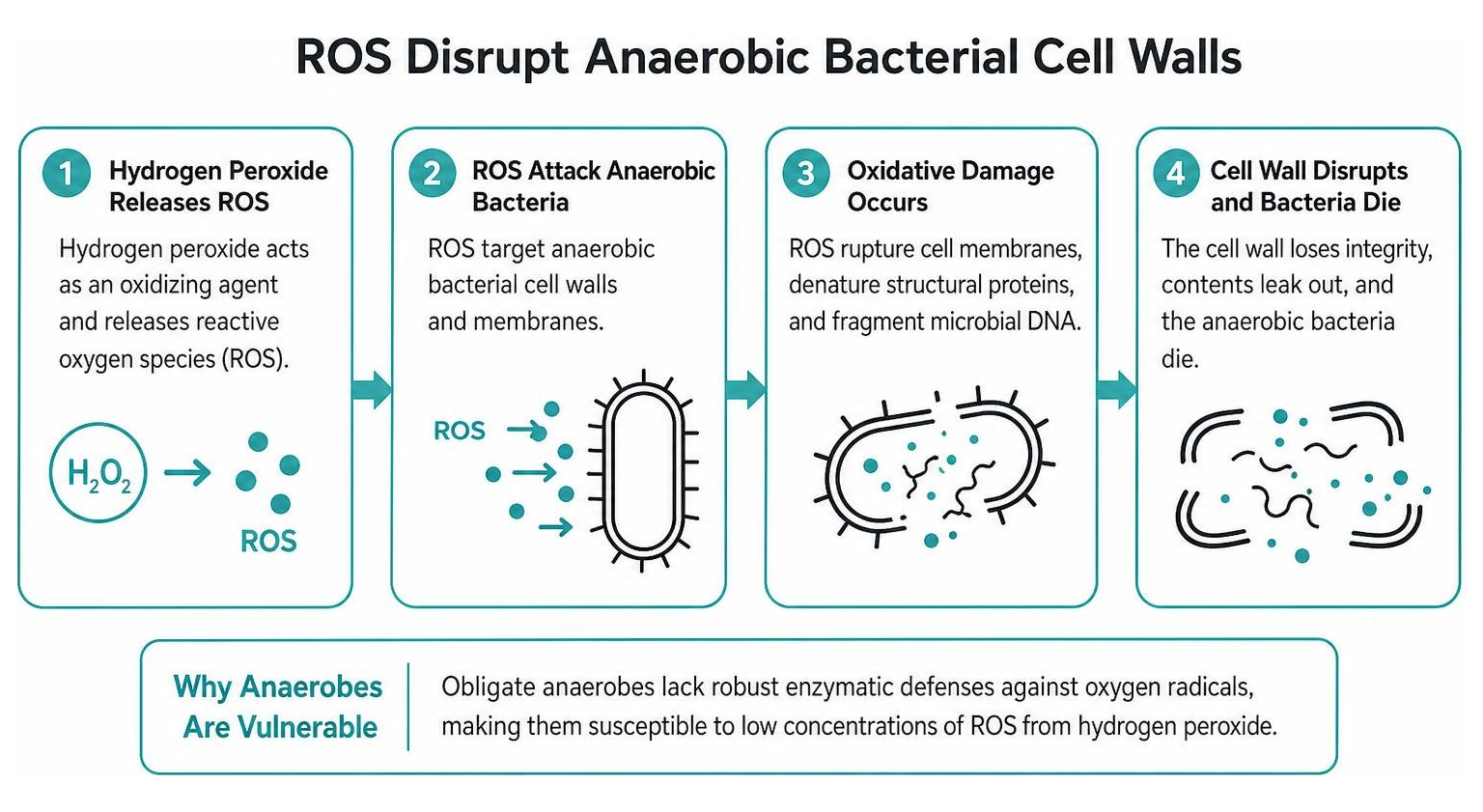
Hydrogen peroxide acts as an oxidizing agent. Upon contact with oral tissues and bacterial catalase enzymes, it rapidly releases reactive oxygen species (ROS), including hydroxyl free radicals. These free radicals induce oxidative damage, rupturing bacterial cell membranes, denaturing structural proteins, and fragmenting microbial DNA.
Because the destructive bacteria behind periodontal disease (P. gingivalis, Treponema denticola, Tannerella forsythia) are obligate anaerobes, they lack robust enzymatic defenses against oxygen radicals. This makes them vulnerable to low concentrations of hydrogen peroxide. The resulting mechanical bubbling also helps lift cellular debris out of gingival crevices and disinfects oral appliances like nightguards and retainers.
Potential Risks of Dysbiosis, Rebound Effect, and Safe Concentrations
Despite its antimicrobial power, hydrogen peroxide must be used with care:
- Indiscriminate Disinfection: Hydrogen peroxide is a broad-spectrum oxidizer that destroys beneficial commensal species alongside pathogens.
- Pathogenic Rebound: Stripping the oral microbiome creates empty ecological niches. Fast-growing, opportunistic pathogens can repopulate these clear surfaces faster than beneficial strains, sometimes worsening bad breath or gum irritation.
- Systemic Considerations: Overusing antiseptic rinses can suppress the oral bacteria responsible for converting dietary nitrates to nitric oxide, which plays a role in healthy systemic blood pressure regulation.
- Safe Use Guidelines: Limit oral hydrogen peroxide rinses to concentrations of 1% to 1.5% (diluting standard 3% household peroxide with equal parts water). Use it only for short-term support during acute gum flare-ups rather than as an unguided daily rinse.
Frequently Asked Questions About Killing Oral Bacteria Naturally
Can natural antibacterial remedies replace professional dental cleanings?
No. Natural remedies, herbal extracts, and daily home hygiene effectively control soft, unmineralized bacterial plaque biofilm. However, once plaque absorbs calcium and phosphate minerals from saliva, it calcifies into tartar (calculus) within 24 to 72 hours. Calculus creates a rough, porous surface beneath the gumline that houses pathogenic bacterial colonies. Calculus cannot be removed with a toothbrush, oil pulling, or natural rinses; it requires gentle, professional scaling by a dental clinician.
Does hydrogen peroxide kill good bacteria in the mouth?
Yes. Hydrogen peroxide is a non-selective antimicrobial agent. While it destroys the anaerobic bacteria that drive gum inflammation, it also eliminates the beneficial, oxygen-tolerant commensal bacteria that maintain oral homeostasis. To preserve microbiome balance, reserve hydrogen peroxide for short periods or targeted appliance sanitation, and consider using oral probiotics to support healthy flora.
How fast do natural antimicrobials like xylitol and salt water work?
Saltwater rinses create an immediate osmotic shift that begins dehydrating bacterial cells and balancing oral acidity within seconds of rinsing. Xylitol stimulates salivary flow immediately and deprives cariogenic bacteria of usable fuel during every exposure. However, establishing lasting protection against cavities and periodontal disease requires consistent daily habits over several weeks to shift the balance toward beneficial species.
Conclusion
Controlling oral bacteria naturally does not mean sterilizing your mouth with harsh chemicals. True oral wellness comes from maintaining a balanced oral microbiome—supporting beneficial commensal bacteria while mechanically and botanically suppressing harmful pathogens. By combining daily brushing, flossing, and tongue scraping with polyphenol-rich foods, xylitol, and plant extracts, you create an oral environment where teeth and gums can thrive.
At Smiles by Shields, our Jacksonville, FL team focuses on integrative, holistic dentistry that respects the connection between your mouth and whole-body health. We provide biocompatible, mercury-free, and fluoride-free dental treatments—including safe amalgam removal, digital imaging, and ozone therapy—tailored to support your overall well-being. If you are ready to take a balanced, non-toxic approach to your smile, learn how to detox your mouth naturally with holistic dentistry and schedule your next wellness visit with us.