
Why Fluoride Free Dentistry Is Worth Understanding
Fluoride-free dentistry is a dental approach that avoids fluoride in all treatments, products, and water — focusing instead on biocompatible, non-toxic alternatives to protect and rebuild teeth.
Quick answers about fluoride-free dental care:
- What it is: Dentistry that replaces fluoride with safer alternatives like hydroxyapatite, xylitol, and ozone therapy
- Why people choose it: Concerns about fluorosis, neurotoxicity, and mass medication without consent
- Does it work? Yes — several fluoride-free ingredients are clinically shown to remineralize enamel and help prevent cavities
- Who it’s for: Anyone wanting to reduce chemical exposure, especially families with young children
More people are asking hard questions about fluoride than ever before. And the science is giving them good reason to.
A 2024 Cochrane Review found that community water fluoridation reduces cavities in children by an average of just 0.24 teeth — roughly one less cavity per four children. A large 10-year study in England covering 6.4 million dental patients found only a 2% reduction in tooth decay from fluoridated water, saving about $1 per person per year.
At the same time, the U.S. National Toxicology Program concluded that fluoride is a “presumed cognitive neurodevelopmental hazard to humans.” A U.S. federal court ruled in 2024 that water fluoridation at the standard level of 0.7 mg/L poses an unreasonable risk of reduced IQ in children.
Meanwhile, 41% of American children aged 12–15 already show signs of dental fluorosis — a visible sign of overexposure during tooth development.
These aren’t fringe concerns. They’re coming from peer-reviewed research and federal courts.
For health-focused families, this raises a fair question: Is fluoride actually necessary — and what are the safer alternatives?
This guide walks you through everything you need to know.
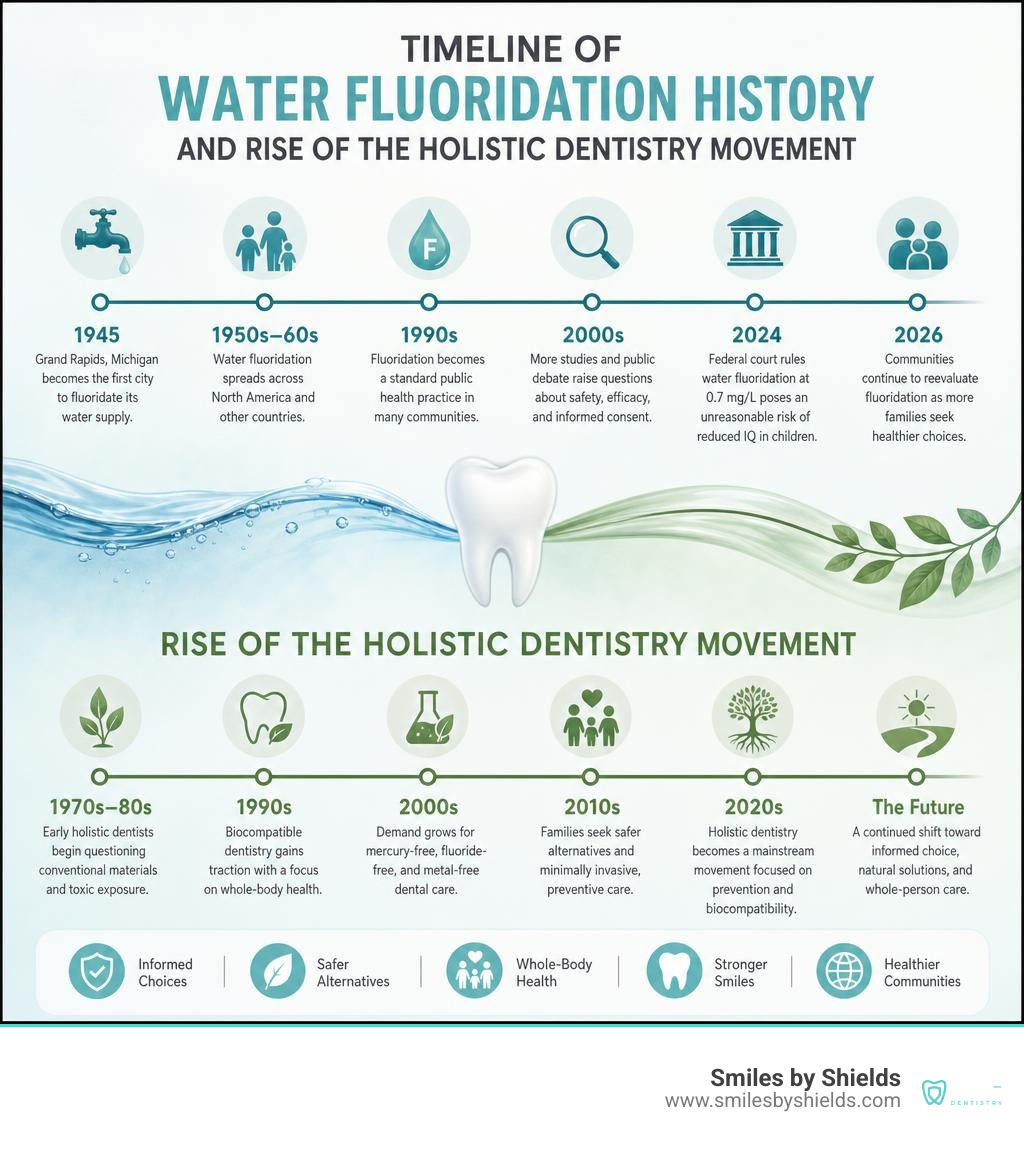
What Is Fluoride and Why Is Fluoride Free Dentistry Gaining Traction?
To understand why fluoride free dentistry is growing rapidly, it helps to start with what fluoride actually is. Fluoride is an inorganic anion of fluorine, the 13th most abundant element on Earth and the most electronegative non-metal element. While naturally occurring fluorine minerals exist in ground soil and rocks, the chemical compounds added to municipal water supplies and dental products are typically synthesized industrial byproducts like hydrofluorosilicic acid.
When conventional dentists talk about fluoride, they focus on tooth enamel—the crystalline outer shell of your teeth. Every day, your teeth undergo a constant tug-of-war between demineralization and remineralization. When you eat carbohydrates or sugars, bacteria in your oral biofilm feed on those carbohydrates and release acids. These acid attacks strip away critical minerals like calcium and phosphate from enamel crystals.
In mainstream dental theory, topical fluoride integrates into tooth enamel to form fluorapatite, a mineral structure that is somewhat more resistant to acid dissolution than natural hydroxyapatite. To dive deeper into how fluoride interacts with enamel structures, read A Look at Fluoride.
However, health-conscious individuals and biological dentists increasingly question whether coating our mouths with heavy synthetic minerals is the best long-term strategy for total-body wellness.
Understanding Fluoride and Conventional Dental Claims
For decades, conventional dentistry has promoted topical fluoride gels, high-dose varnishes, and fluoridated toothpastes as the primary defense against dental caries. Standard recommendations target a drinking water fluoridation concentration of 0.7 parts per million (ppm). Conventional clinical claims often state that fluoride treatments reduce cavity risk by roughly 25%.
While topical treatments can alter surface enamel resistance, conventional dentistry often overlooks how these compounds interact with the rest of the body. Conventional dental applications focus almost entirely on local enamel surface chemistry while underestimating biological absorption through oral mucosal tissue, swallowed toothpaste, and chronic daily consumption via public tap water. As integrative health awareness grows, patients are asking whether a minor topical mechanism justifies systemic ingestion and exposure.
Ethic, Informed Consent, and Mass Medication Concerns in Fluoride Free Dentistry
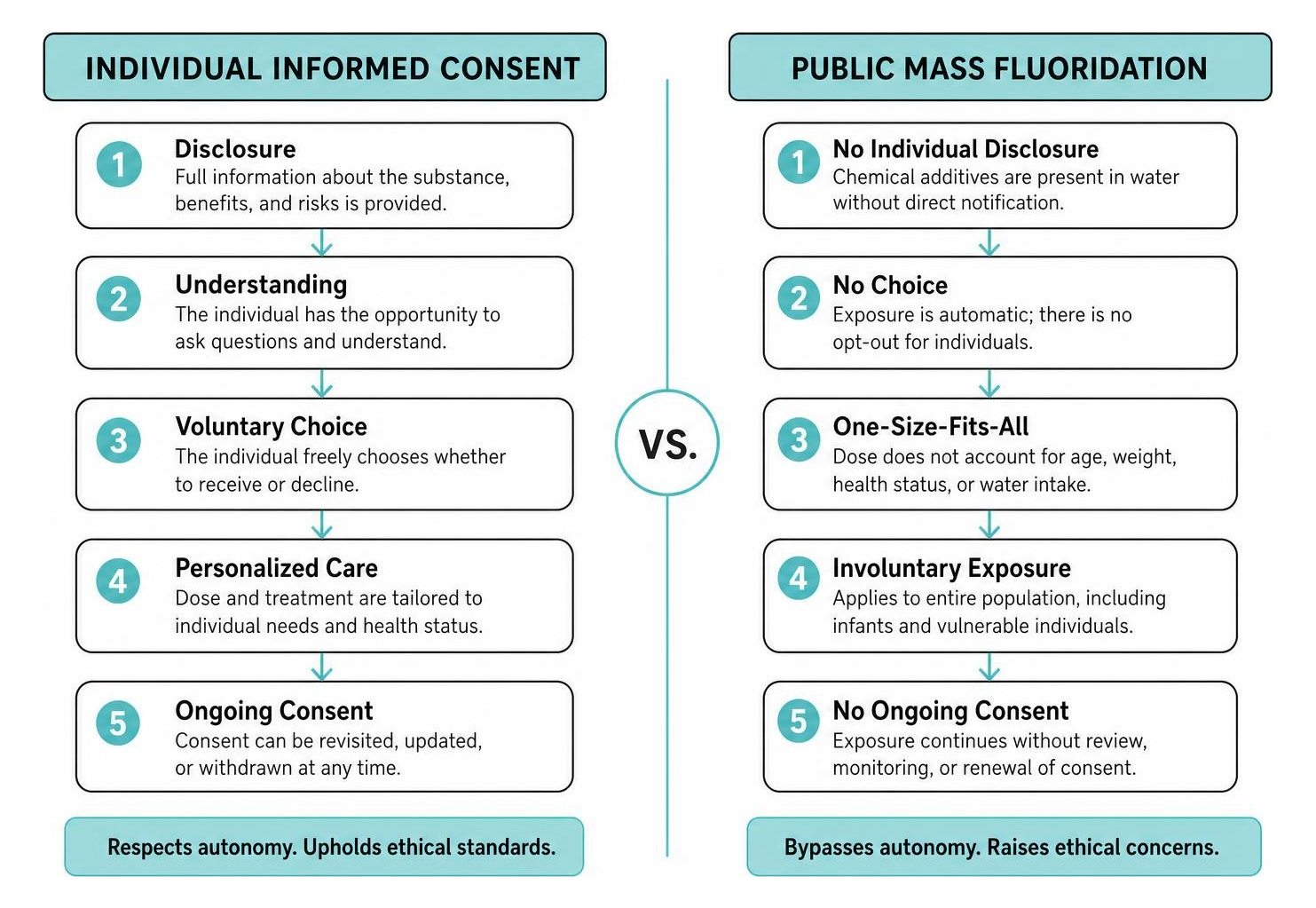
Beyond purely biological questions, fluoride free dentistry addresses a major ethical issue: personal autonomy and informed consent. In modern medical and dental ethics, every patient possesses the fundamental right to know what chemicals or medications they are receiving, understand the risks and benefits, and give explicit consent prior to administration.
Community water fluoridation bypasses this universal bioethical framework. When public health agencies add fluoridating agents to public drinking water, individuals are subjected to a involuntary, unmonitored mass medication scheme. Unlike a prescription medication, public water fluoridation cannot account for individual weight, age, total water intake, kidney function, or underlying health conditions. A infant consuming formula mixed with tap water receives a disproportionately massive dose relative to body weight compared to an adult.
At Smiles by Shields, we believe healthcare decisions belong in the hands of informed individuals and families, not municipal water authorities. To understand our philosophy on patient autonomy and non-toxic dentistry, learn more about Why We Choose Not to Use Fluoride.
Health Risks and Toxicity Concerns Driving the Shift
The decision to transition toward fluoride-free dental practices is heavily rooted in scientific literature detailing fluoride toxicity pathways. Fluoride is a potent enzyme inhibitor and cellular toxin. At the cellular level, fluoride ions disrupt divalent cations like calcium and magnesium, essential minerals that activate hundreds of biological enzymes.
When fluoride displaces these structural ions, it alters cell pH, generates reactive oxygen species, damages mitochondrial function, and triggers apoptosis (programmed cell death) in soft tissue and bony structures. Comprehensive biochemical analyses, such as the IAOMT Position Paper on Fluoride, demonstrate that cumulative lifetime exposure creates systemic total-body burden rather than harmless local protection.
Dental Fluorosis, Skeletal Fluorosis, and Systemic Exposure
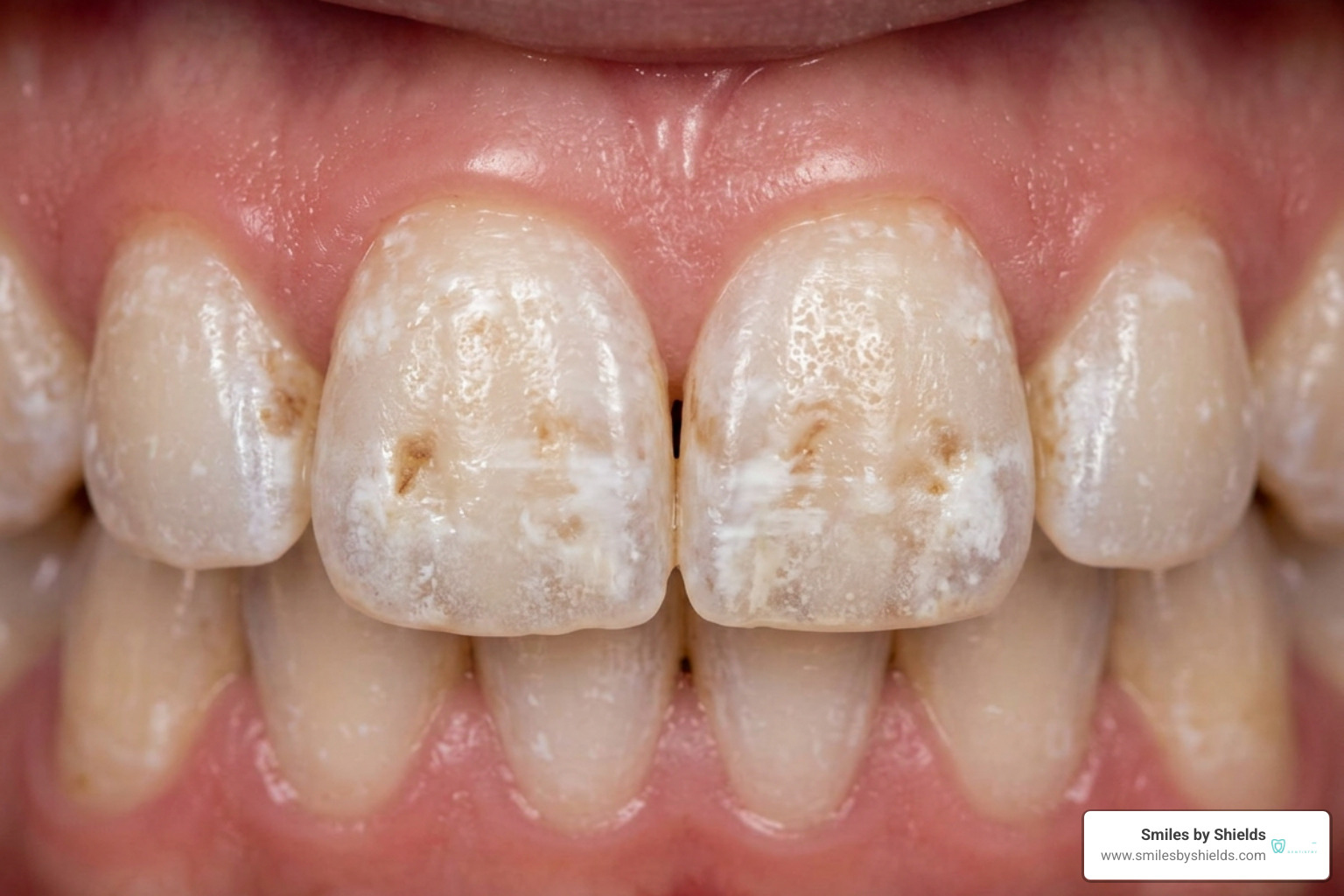
The most obvious visual biomarker of childhood fluoride toxicity is dental fluorosis. Dental fluorosis occurs when developing enamel-forming cells (ameloblasts) are disrupted by excess fluoride prior to tooth eruption, resulting in permanent hypomineralization, faint white streaks, or severe brown staining and pitting.
According to data from the Centers for Disease Control and Prevention (CDC):
- 23% of Americans aged 6 to 49 display dental fluorosis.
- 41% of adolescents aged 12 to 15 suffer from visible dental fluorosis.
Far beyond surface aesthetics, dental fluorosis serves as a clear warning sign that internal biological tissues have been overexposed during crucial developmental windows.
When systemic exposure continues over years, fluoride accumulates progressively in human bones. Because fluoride replaces hydroxyl ions in bone crystals to form fluorapatite within the skeleton, it gradually alters normal bone architecture. Over time, skeletal fluorosis leads to joint pain, stiffness, bone brittleness, and an elevated risk of fractures. Because skeletal fluorosis mimics common conditions like osteoarthritis, it frequently goes undiagnosed in adult populations exposed to chronic water fluoridation and environmental contamination.
Cognitive Risks, Neurotoxicity, and Regulatory Gaps
Perhaps the most troubling scientific development involves fluoride’s impacts on neurodevelopment. In 2014, researchers from the Harvard School of Public Health and Mount Sinai classified fluoride alongside lead, mercury, and arsenic as an industrial chemical known to cause developmental neurotoxicity in humans.
A comprehensive systematic review conducted by the National Toxicology Program (NTP) concluded that high fluoride exposure is consistently associated with cognitive neurodevelopmental deficits in children, formally identifying fluoride as a “presumed cognitive neurodevelopmental hazard to humans.” These findings were fortified in 2024, when a U.S. federal court ruled that water fluoridation at standard public levels (0.7 mg/L) poses an unreasonable risk of reduced IQ in children, legally requiring the Environmental Protection Agency (EPA) to initiate regulatory responses under the Toxic Substances Control Act.
This landmark ruling highlighted decades of regulatory inertia. Back in 2006, the National Research Council (NRC) published an exhaustive report concluding that the EPA’s maximum contaminant level goal for fluoride was unsafe and required lowering. Yet decades later, regulatory standards remain stagnant, leaving consumer safety largely unprotected by official oversight bodies.
Re-Evaluating Fluoride Efficacy: Water Fluoridation vs Modern Research
When water fluoridation programs were established mid-20th century, researchers believed systemic ingestion of fluoride was essential for building decay-resistant teeth in children. Modern science has completely overturned this assumption. Fluoride is not an essential human nutrient; no human metabolic process requires it, and no clinical deficiency state exists.
Furthermore, public health datasets show that tooth decay rates have dropped dramatically over the past 50 years across almost all developed nations—regardless of whether they fluoridate their public water supplies. Western European countries, where only 3% of community water is fluoridated (compared to approximately 73% in the United States), have experienced the exact same rapid decline in dental caries as fluoridated populations.
What Recent Cochrane Reviews and the LOTUS Study Reveal
For decades, proponents of water fluoridation cited mid-century studies to claim mass preventive benefits. However, high-quality modern research painting a vastly different picture has emerged:
- The 2024 Cochrane Review: This comprehensive meta-analysis evaluated decades of fluoridation data. Looking at contemporary, low-bias studies, researchers found that water fluoridation reduced caries in children by a mean difference of only 0.24 decayed teeth (roughly one less cavity per four children). In the highest-quality low-bias studies, that difference dropped to a negligible 0.16 teeth.
- The LOTUS Study (2010–2020): This massive 10-year retrospective cohort study analyzed 6.4 million dental patients in England to determine real-world health outcomes and cost-effectiveness. The LOTUS study revealed that optimal water fluoridation resulted in a meager 2% reduction in decayed, missing, and filled teeth (DMFT) among adults, delivering an estimated cost savings of only about $1 per person per year.
These large-scale modern datasets confirm that public water fluoridation yields negligible preventive returns while exposing entire populations to systemic toxicity risks.
Beyond Tap Water: Environmental and Consumer Fluoride Sources
When evaluating total body burden, tap water is only one piece of a much larger puzzle. Modern consumers absorb synthesized fluorides from numerous everyday sources without realizing it.
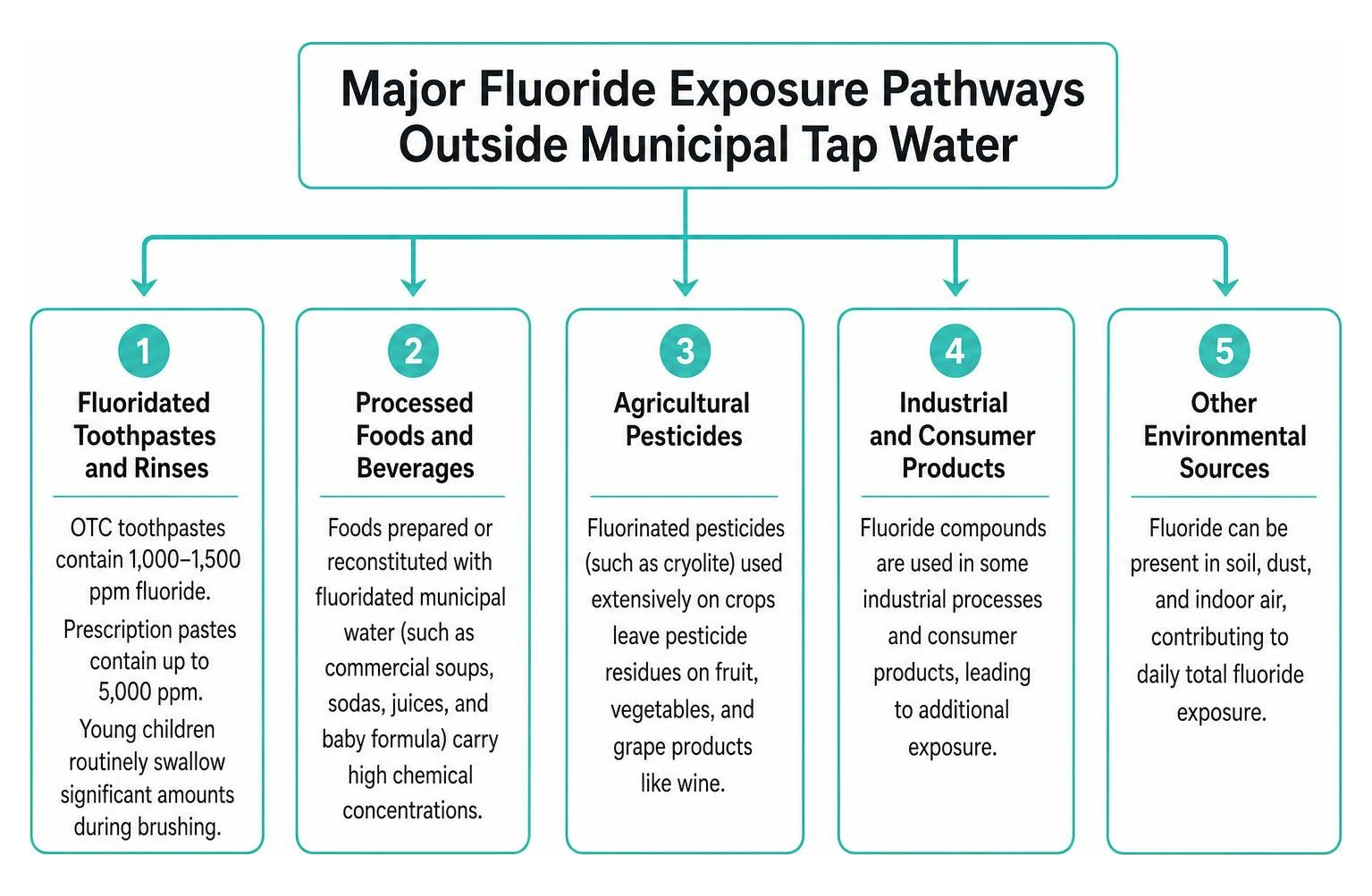
Common exposure pathways beyond municipal tap water include:
- Fluoridated Toothpastes and Rinses: Over-the-counter commercial toothpastes contain concentrated fluoride levels ranging from 1,000 to 1,500 ppm, while prescription pastes contain up to 5,000 ppm. Young children routinely swallow significant amounts during daily brushing.
- Processed Foods and Beverages: Foods prepared or reconstituted with fluoridated municipal water (such as commercial soups, sodas, juices, and baby formula) carry high chemical concentrations.
- Agricultural Pesticides: Fluorinated pesticides (such as cryolite) used extensively on crops leave pesticide residues on fruit, vegetables, and grape products like wine.
- Commercially Processed Teas: Tea plants naturally accumulate fluoride from soil. Mechanical processing and leaf maturation create elevated fluoride levels in bottled and commercial black and green teas.
- Pharmaceuticals and Consumer Plastics: Per- and polyfluoroalkyl substances (PFAS) in non-stick cookware, waterproof fabrics, food packaging, and fluorinated prescription medications add to lifetime cumulative exposure.
To explore how holistic care addresses total cumulative exposure, browse our dedicated Fluoride-Free Dentistry Tag.
Effective Alternatives and Biomimetic Care
Transitioning away from fluoride does not mean leaving your teeth defenseless against decay. On the contrary, advanced non-toxic compounds remineralize enamel, neutralize harmful bacteria, and protect the oral microbiome without biological toxicity.
| Remineralizing / Protective Agent | Mechanism of Action | Clinical Benefits | Toxicity Profile |
|---|---|---|---|
| Hydroxyapatite (HA) | Directly fills micro-fissures in enamel with natural calcium & phosphate building blocks | Remineralizes early caries, reduces tooth sensitivity, smooths tooth surface | Completely non-toxic, safe if swallowed, biocompatible |
| Xylitol | Starves cariogenic bacteria (S. mutans) and stimulates salivary flow | Reduces plaque accumulation, neutralizes oral acids | Natural plant sugar; safe for humans (toxic to household pets) |
| Arginine | Natural amino acid metabolized by beneficial bacteria to produce ammonia | Buffers plaque acid, elevates oral pH to neutral levels | Non-toxic amino acid supporting balanced oral biofilm |
| Theobromine | Natural cocoa extract that promotes apatite crystal growth | Rebuilds enamel crystal structure, strengthens tooth surface | Natural compound; non-toxic to humans |
Dental professionals seeking evidence-based non-fluoride therapies frequently utilize clinical literature like the RDH Evidence-Based Fluoride Alternatives Guide.
Hydroxyapatite, Xylitol, and Biomimetic Care in Fluoride Free Dentistry
1. Hydroxyapatite (HA)
Hydroxyapatite is the natural crystalline mineral that makes up most of human tooth enamel and a large share of dentin. In fluoride-free dentistry, hydroxyapatite is used because it closely matches the minerals teeth already contain. Rather than changing the chemistry of the enamel surface, hydroxyapatite helps supply calcium and phosphate back into tiny weak spots in the tooth structure. Research suggests hydroxyapatite toothpaste can support enamel remineralization, help smooth the tooth surface, and reduce dentin sensitivity over time. For patients who want a fluoride-free option, it is one of the most practical and well-studied alternatives.
2. Xylitol Xylitol is a naturally derived 5-carbon polyol (sugar alcohol) that disrupts energy production in harmful bacteria like Streptococcus mutans. Because S. mutans cannot ferment xylitol, the bacteria starve and cannot produce enamel-eroding acids. Studies confirm that consuming at least 8 grams of xylitol daily (spread over 2–3 uses after meals) reduces oral S. mutans levels by up to 90% and keeps salivary pH elevated for 30 minutes post-consumption.
3. Arginine & Theobromine Arginine is a naturally occurring amino acid that feeds beneficial, pH-elevating bacteria in oral biofilm, creating ammonia that neutralizes plaque acids. Theobromine, an extract derived naturally from the cocoa plant husk, stimulates rapid growth of hydroxyapatite crystals, forming a hardened outer layer on enamel surfaces.
To discover how these non-toxic compounds protect your mouth, read Preventing Tooth Decay Without Harsh Chemicals.
How Holistic Dental Practices Prevent Tooth Decay
At Smiles by Shields, fluoride free dentistry is embedded in a broad holistic framework that cares for the whole body. True cavity prevention extends beyond swapping toothpaste ingredients—it requires balancing the entire oral ecosystem.
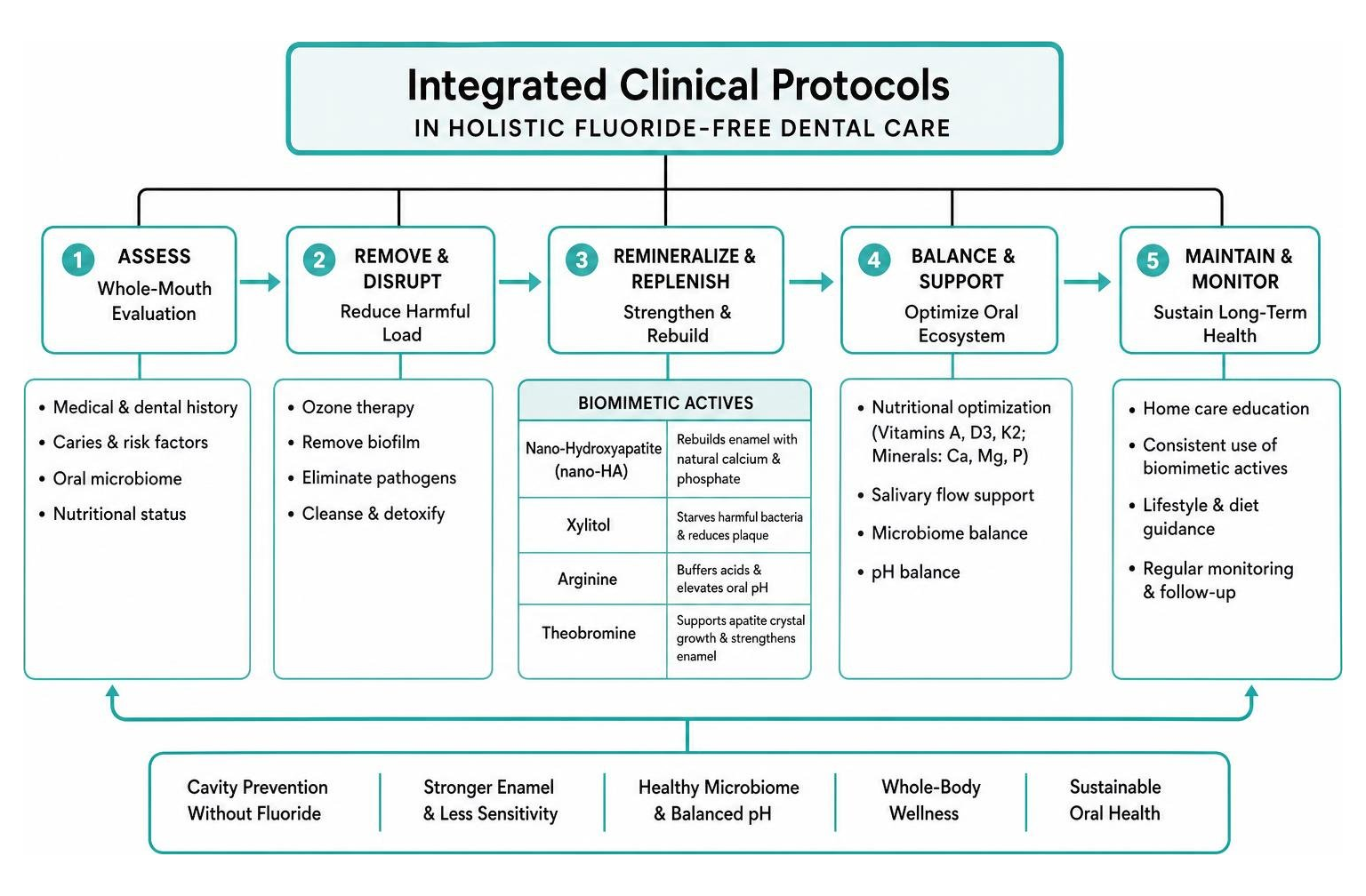
Holistic prevention protocols focus on:
- Ozone Therapy: Medical-grade ozone (O3) gas and ozonated liquids can help reduce bacteria, viruses, and fungi in deep tooth fissures and periodontal pockets while being gentle on surrounding oral tissues.
- Nutritional Optimization: Teeth can remineralize when the body has enough key nutrients, including vitamins A, D3, and K2, plus minerals like calcium, magnesium, and phosphorus. Reducing processed sugar also limits fuel for cavity-causing bacteria.
- Salivary and Microbiome Balance: Healthy saliva flow and a balanced oral microbiome help neutralize acids, support enamel repair, and protect teeth between meals.
- Biocompatible Dental Materials: When restorations are needed, holistic dentists often use ceramic, composite, and other non-metal materials chosen for compatibility with the body.
To explore how holistic care integrates with overall health, read What is Holistic Dentistry?.
Frequently Asked Questions About Fluoride Free Dental Care
Is fluoride essential for human physiological health?
No, fluoride is not an essential nutrient. There is no physiological process in the human body that requires fluoride, and no human medical condition or growth deficit is caused by a lack of fluoride. Human biological health depends on essential minerals like calcium, magnesium, zinc, and phosphorus—not synthetic fluorine compounds.
How do I verify the safety and efficacy of fluoride-free products?
When shopping for non-toxic oral care products, read active ingredient labels carefully:
- Look for toothpastes featuring hydroxyapatite to support enamel remineralization.
- Check for xylitol listed near the top of the ingredient list, ideally yielding 8 grams of daily exposure across mints, gum, or toothpaste.
- Avoid products containing harsh detergents like sodium lauryl sulfate / SLS, artificial colors, synthetic preservatives, or artificial sweeteners.
- Verify that products undergo independent third-party laboratory testing for purity and heavy metal safety.
Are fluoride-free toothpastes accepted by dental professionals?
Professional acceptance is growing rapidly. According to a landmark Survey Study on Pediatric Dentists’ Acceptance of Fluoride-Free Products, awareness and clinical recommendation of non-fluoride remineralizing agents vary significantly by geographic region, age, and residency training background. Dentists trained in western clinical programs show significantly higher open-mindedness toward recommending nano-hydroxyapatite, xylitol, and arginine products to accommodating patients seeking non-toxic options.
Conclusion
Making informed decisions about your oral care shouldn’t require sacrificing total-body wellness. Modern scientific research, legal rulings, and Cochrane reviews continue to show that fluoride carries systemic risks—such as dental fluorosis and potential cognitive harms—while offering minimal preventive benefits in modern society.
At Smiles by Shields in Jacksonville, FL, our practice is built on compassionate, biocompatible, non-toxic dental care focused on total-body health. By pairing holistic tools like ozone therapy with dietary optimization and carefully chosen restorative materials, we help you build a healthy, decay-resistant smile without harsh chemicals or toxic heavy metals.
Ready to take control of your dental health with safe, non-toxic care? Explore Why We Choose Not to Use Fluoride and schedule your holistic consultation with Smiles by Shields today!