Why Tongue Health Matters for Oral and Overall Wellness
Your tongue acts as a primary mirror for your systemic health. While most people focus their morning oral care entirely on their teeth, ignoring the tongue leaves behind a massive bacterial reservoir. Up to 90% of halitosis cases originate directly inside the mouth, with tongue-coating-driven cases accounting for 60-70% of oral malodor sources.
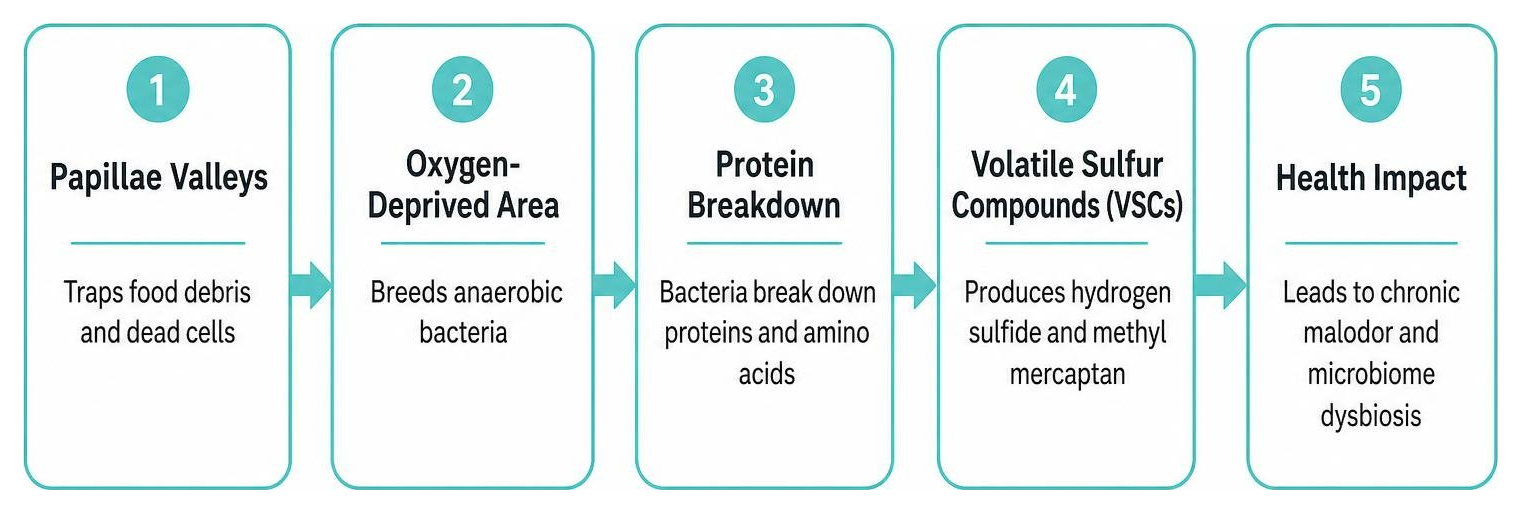
The top surface of your tongue is covered in thousands of tiny projections called papillae. These microscopic structures create a textured terrain filled with deep nooks and crannies. Food particles, dead cells, and anaerobic bacteria settle into these papillae, forming a dense biofilm. The bacteria lurking in these oxygen-deprived valleys break down proteins and produce volatile sulfur compounds (VSCs)—foul-smelling gases like hydrogen sulfide and methyl mercaptan that cause stubborn bad breath.
Beyond causing unwanted breath odors, a heavy coating on the tongue physically blocks your taste buds. Removing this layer restores your ability to fully taste subtle sweet, salty, bitter, and sour flavors.
From a holistic perspective, keeping your tongue clean is vital for protecting your broader body health. Every time you swallow, you ingest millions of microbes living in your mouth. Excess harmful bacteria can migrate into your digestive tract, potentially disrupting your gut microbiome. Furthermore, beneficial oral bacteria living near the back of the tongue help convert dietary nitrates into nitric oxide—a crucial molecule for regulating blood pressure and supporting cardiovascular health.
Understanding the importance of a clean tongue is essential, so please dont overlook the health of your tongue when designing your holistic wellness habits.
Essential Tools for How to Clean Tongue Naturally

When learning how to clean tongue naturally, having the right manual tools makes all the difference. While mechanical action is the single most effective way to remove sticky oral biofilm, not all tools yield the same results. Selecting biocompatible materials ensures you clean efficiently without damaging delicate tissue.
According to a review on How to Clean Your Tongue: Three Proven Methods – Healthline, physical cleaning lifts debris off the papillae far better than simple liquid rinses. Dedicated tongue scrapers are specifically engineered to glide smoothly over the tongue’s surface, gathering accumulated waste in a single, comfortable sweeping motion.
When you make time to take care of your tongue, keeping your tools clean is just as important as the act itself. Always rinse your scraper with warm water after every pass. Weekly, sanitize metal scrapers using boiling water or a quick dip in a dilute natural antimicrobial solution.
Copper vs. Stainless Steel: Comparing Mechanical Tongue Scrapers
When choosing a tongue scraper, U-shaped metal options stand out as superior choices over plastic alternatives. Plastic scrapers degrade quickly, flex unevenly, and develop micro-scratches that harbor bacteria over time. Metal scrapers offer long-lasting durability and superior hygiene.
| Feature | Copper Scraper | Stainless Steel Scraper | Plastic Scraper |
|---|---|---|---|
| Antimicrobial Properties | Natural (Metal ions disrupt bacterial cells) | Moderate (Requires regular washing) | None (Can harbor bacteria in micro-scratches) |
| Durability | High (Lasts for years) | Exceptional (Virtually indestructible) | Low (Needs replacement every 3 months) |
| Sulfur Compound Reduction | ~75% reduction vs. brushing alone | ~75% reduction vs. brushing alone | ~45% reduction (Flexes too easily) |
| Eco-Friendliness | Fully recyclable, natural material | Fully recyclable | Single-use plastic waste |
Copper scrapers derive from ancient Ayurvedic traditions (Jivha Nirlekhana). Copper naturally releases trace ions that exert antimicrobial pressure on harmful microbes. Stainless steel is hypoallergenic, extremely durable, easy to sterilize, and resistant to tarnishing. Clinical testing shows that dedicated metal scrapers remove about 30% more volatile sulfur compounds than a toothbrush because they physically lift debris out of the papillae rather than pushing it around.
Why Toothbrushes Fall Short when Learning How to Clean Tongue Naturally
Many people attempt to brush their tongue using their standard toothbrush, but this technique falls short mechanically:
- Soft Bristles: Toothbrush bristles are designed to clean smooth enamel, not textured soft tissue. Soft bristles bend over the papillae, failing to generate enough firm contact to dislodge sticky biofilm.
- Pushing Bacteria Deeper: Instead of lifting metabolic waste out of the tongue’s valleys, bristles act like a broom on a carpet, grinding bacteria deeper into the papillae.
- Papillae Micro-Trauma: Aggressive scrubbing with a toothbrush can cause micro-trauma, leading to localized inflammation or scar tissue over time.
- Height & Gag Reflex: Toothbrush heads are tall and bulky. Positioning a tall toothbrush head near the back of the tongue frequently triggers an intense gag reflex. U-shaped metal scrapers feature a low profile that glides flat along the tongue surface.
While mastering toothbrushing is fundamental for tooth health, manual scrapers remain the clear winner for tongue hygiene.
Natural Remedies to Eliminate White Coating and Bacteria
Combining mechanical scraping with targeted natural remedies creates a clean environment that discourages bacterial regrowth and keeps your breath fresh. Natural home remedies help neutralize oral acids, break up sticky biofilms, and balance the oral microbiome without harsh chemicals.
Taking steps to banish bad breath for good means working in harmony with your mouth’s natural defenses rather than stripping delicate mucosal tissues with alcohol-based mouthwashes.
Oil Pulling with Coconut Oil for Oral Biofilm Removal
Oil pulling is an ancient Ayurvedic practice (Gundusha) that involves swishing pure oil in the mouth to draw out impurities. Unrefined organic coconut oil is ideal because it contains high levels of lauric acid—a fatty acid known for its natural antimicrobial and anti-inflammatory properties.
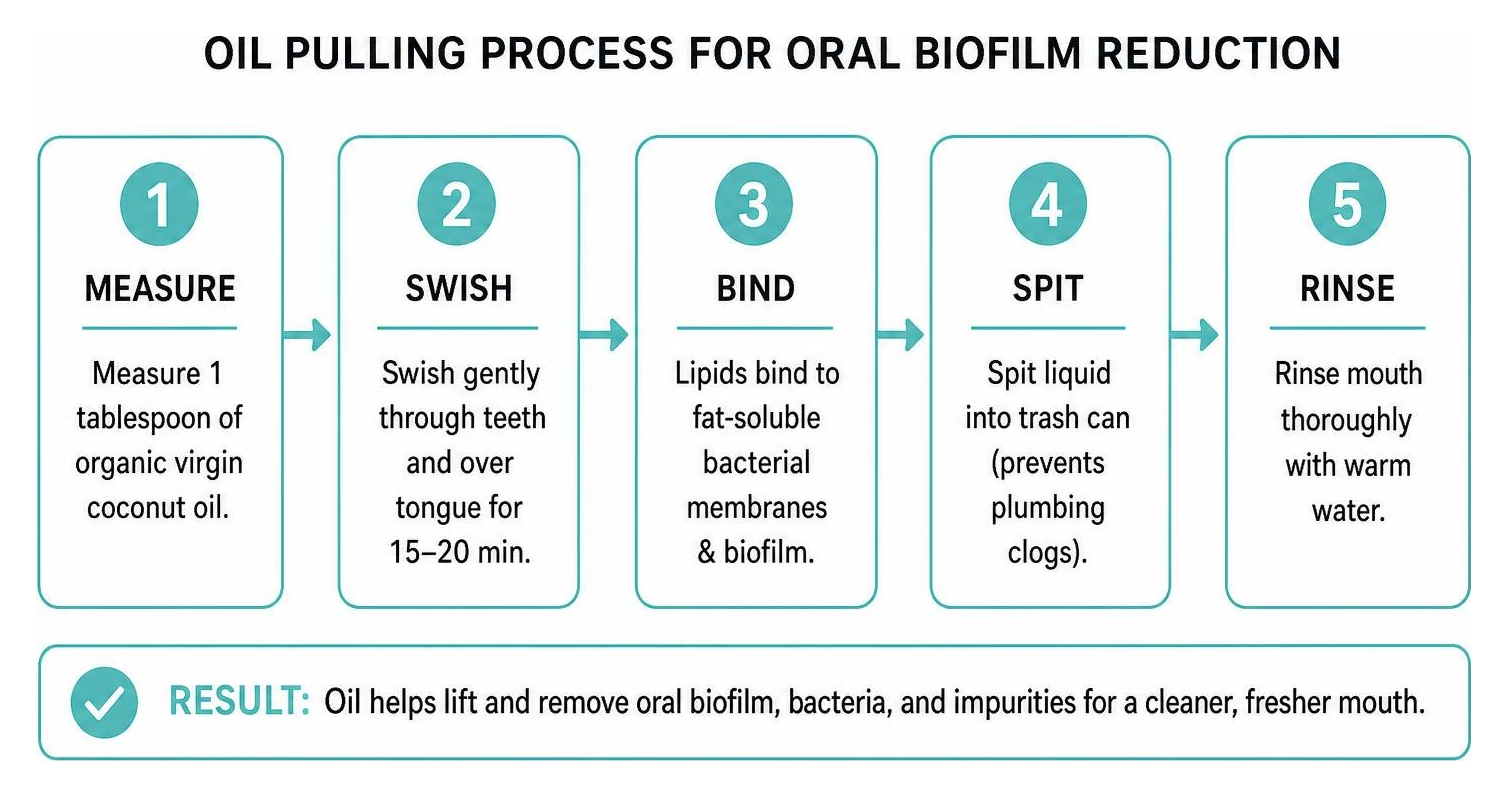
As you swish the oil around your mouth for 15 to 20 minutes, the fat-soluble outer membranes of oral bacteria bind to the oil matrix. As noted in personal trials documented in I Tried Tongue Scraping for 30 Days—Here’s What It Did for My Gut Health | Vogue, integrating natural morning rituals helps loosen overnight tongue coating. Always spit the spent oil into a trash can—never down the sink—to protect your plumbing from blockages.
Salt Water Rinses and Baking Soda Scrubs
Simple pantry staples offer effective natural tongue cleaning support:
- Warm Salt Water Rinses: Dissolve 1/2 to 1 teaspoon of unrefined sea salt or Himalayan salt in a glass of warm water. Swish for 30 seconds after scraping. The salt solution creates an osmotic effect that draws excess fluid out of swollen tissues, reduces inflammation, and creates an environment where harmful bacteria struggle to survive.
- Baking Soda (Sodium Bicarbonate) Scrubs: Baking soda acts as a mild exfoliant and pH buffer. It neutralizes built-up acids in the mouth, shifting the environment away from acidity toward neutral pH. To use, mix a pinch of baking soda with warm water to create a soft paste, gently massage it over the tongue surface with a soft tool, and rinse thoroughly.
- Pure Aloe Vera Juice: Aloe vera contains natural enzymes and mild antifungal properties. Swishing 1 tablespoon of pure, unsweetened aloe vera juice up to three times daily soothes irritated tongue tissue and reduces white coating.
Step-by-Step Protocol and Best Practices
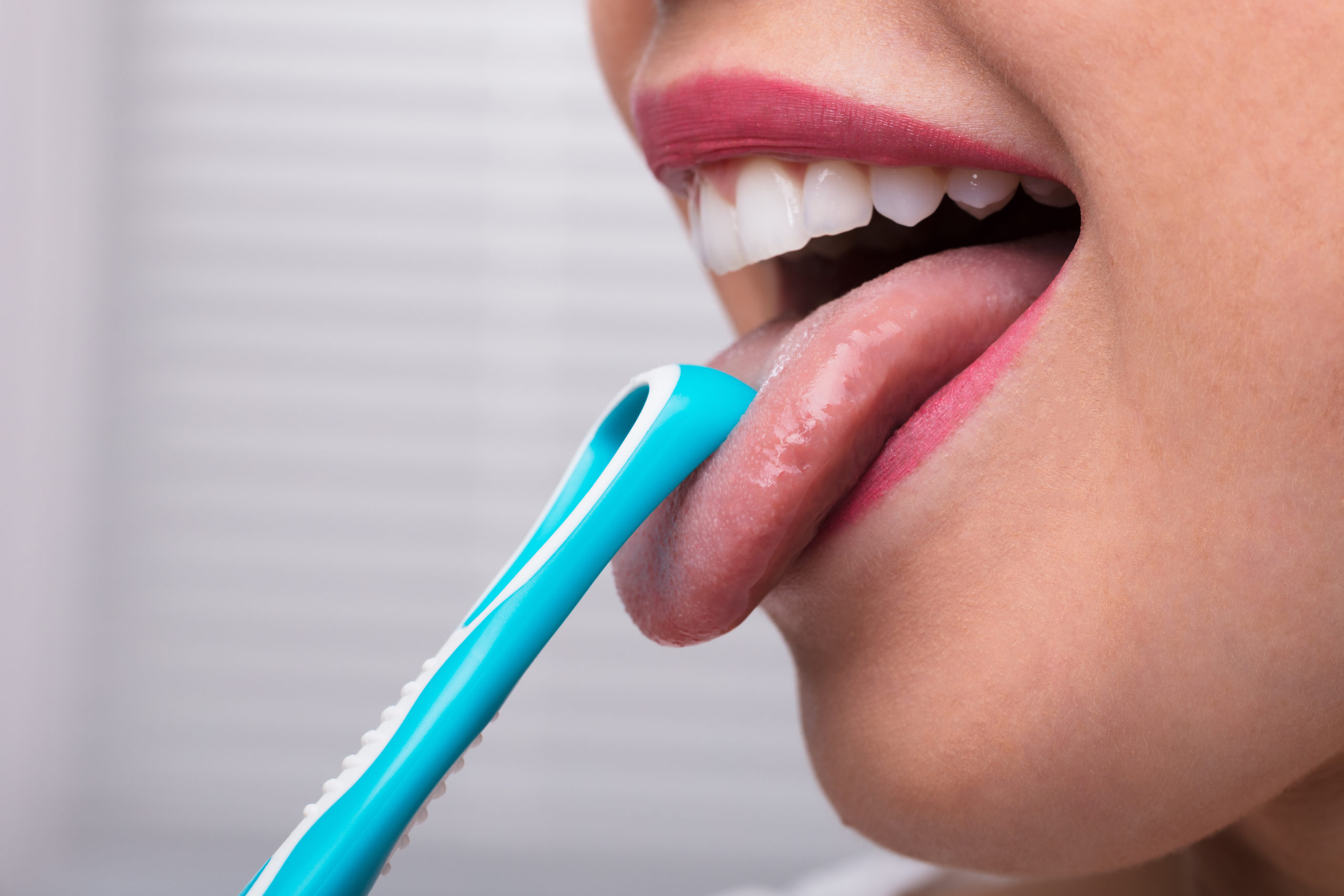
Consistency and technique are the real secrets to keeping your tongue healthy over time. Following a proper daily protocol ensures you clear maximum biofilm while avoiding unnecessary gagging or tissue irritation.
Establishing a reliable routine is a key pillar in keeping bad breath at bay naturally and effectively.
Daily Step-by-Step Routine for How to Clean Tongue Naturally
Perform this quick routine every morning before eating or drinking water:
- Stand in Front of a Mirror: Open your mouth wide and extend your tongue out as far as comfortably possible.
- Position the Scraper: Take your metal tongue scraper and place it gently toward the back surface of your tongue. Focus primarily on the middle third to avoid triggering your gag reflex.
- Glide Smoothly Forward: Using light, even pressure, pull the scraper forward in one continuous stroke toward the tip of your tongue.
- Rinse Debris: Rinse the gathered white biofilm off the scraper under warm running water.
- Repeat 3 to 5 Times: Repeat the scraping motion across the center, left, and right sides of your tongue until no more residue accumulates.
- Rinse and Finish: Rinse your mouth with warm water or a natural salt water solution. Clean your scraper thoroughly and store it upright to air dry.
Common Mistakes to Avoid When Cleaning Your Tongue
To protect your oral health, avoid these frequent errors:
- Applying Excessive Force: Scraping too hard can strip healthy papillae, causing soreness, inflammation, or bleeding. Always use gentle, smooth pressure.
- Only Cleaning the Visible Tip: Up to 80% of odor-causing anaerobic bacteria live in the back third of the tongue. While avoiding gagging, ensure you cover the mid-to-back sections.
- Skipping Tool Rinsing Between Strokes: Pulling a dirty scraper back across your tongue simply redistributes collected bacteria across your mouth.
- Failing to Sanitize Tools: Leaving moist, unclean scrapers on the counter allows environmental microbes to grow on your hygiene tools.
- Using Alcohol Mouthwashes Afterwards: Rinsing with alcohol-based mouthwashes after scraping burns fresh tissue and destroys both good and bad bacteria, upsetting your oral microbiome.
Lifestyle Habits that Prevent White Tongue and Support Saliva
Mechanical cleaning removes established tongue film, but your everyday lifestyle habits determine how quickly that coating returns. Saliva serves as your mouth’s natural self-cleansing system, flushing away loose food debris and continuously regulating bacterial growth.
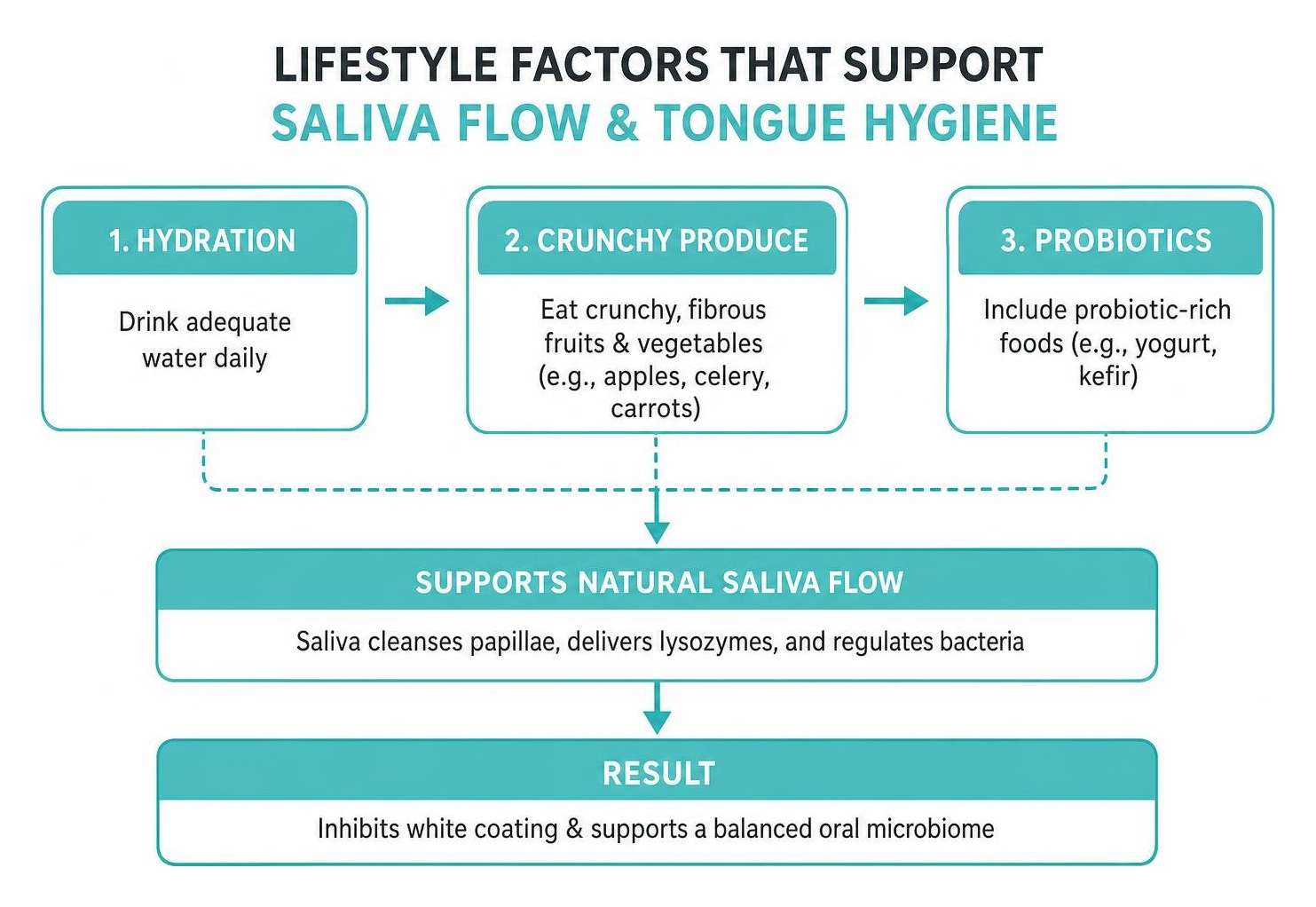
Key habits that naturally suppress white tongue coating include:
- Maintain Adequate Hydration: Drink at least 1.5 to 2 liters of pure water daily. Dehydration directly lowers saliva production, leaving your mouth dry and allowing anaerobic bacteria to flourish.
- Eat Crunchy, Fibrous Produce: Snacking on raw, fibrous foods like apples, celery, and carrots acts as a mechanical scrubber for your tongue during chewing while actively stimulating saliva production.
- Incorporate Probiotics: Consuming fermentable probiotic-rich foods like plain organic yogurt or kefirs introduces beneficial bacteria into your oral cavity, helping suppress opportunistic microbial growth.
- Eliminate Tobacco Use: Smoking and vaping dry out oral tissues, lower localized immunity, and coat the tongue in sticky chemicals that encourage thick white or yellow build-up.
Investing in these everyday habits strengthens your foundational oral health while supporting a lifetime of understanding and practicing dental wellness.
Frequently Asked Questions About Natural Tongue Hygiene
How long does it take to naturally get rid of a white tongue?
Most people notice fresher breath within the first few days of daily tongue scraping. Noticeable reductions in white tongue coating generally occur within 1 to 2 weeks of consistent cleaning and hydration. Full microbial rebalancing and improvements in taste sensitivity typically unfold over 4 to 8 weeks.
Is it safe to scrape your tongue every day?
Yes, daily tongue scraping is safe and recommended by dental health professionals. Performing it once or twice daily—ideally first thing in the morning—prevents overnight bacterial buildup. As long as you use gentle pressure and a smooth metal tool, you will protect your papillae while keeping your mouth fresh.
When should you see a dentist for a persistent white tongue?
While most white coatings clear up with basic daily cleaning, you should seek professional dental evaluation if:
- The white coating lasts longer than 2 weeks despite consistent hygiene efforts.
- The coating forms thick, raised, curd-like patches that bleed when touched (a sign of oral thrush or fungal overgrowth).
- You experience tongue pain, burning sensations, difficulty swallowing, or red sores.
- Unexplained red or white patches persist along the side edges or underside of your tongue.
Conclusion
Mastering how to clean tongue naturally is a quick, empowering addition to your morning routine that delivers major rewards for your oral and overall health. By removing accumulated biofilm with a metal tongue scraper, leveraging natural rinses like salt water or oil pulling, and maintaining great hydration, you support a balanced oral microbiome and fresh breath.
While gentle home care keeps your tongue clean, persistent tongue discoloration or chronic bad breath can sometimes point to underlying imbalances. At Smiles by Shields in Jacksonville, Florida, our whole-body-health-focused dental team provides biocompatible, non-toxic care tailored to your wellness needs. If you are eager to learn more about comprehensive holistic mouth care, explore our guide on how to detox your mouth naturally or schedule an integrative consultation with us today!