The human smile is one of our most potent tools for social connection, acting as a universal language that conveys warmth, joy, and confidence. However, for a significant portion of the population, that smile has long been punctuated by the dark, metallic glint of traditional silver fillings. While these restorations were once the pinnacle of dental technology, the evolution of restorative science has moved toward a more harmonious intersection of aesthetics and biology. Today, the shift toward modern tooth-colored fillings represents more than just a cosmetic upgrade; it is a fundamental change in how we approach the preservation of oral health and its impact on the entire body.
The Legacy of the Silver Tooth Dental Era
For over a century, dental amalgam, frequently referred to as “silver” fillings, was the industry standard for treating dental decay. Its popularity stemmed from its relative ease of use and its ability to withstand the immense pressure generated by chewing. However, the name “silver” is somewhat deceptive. In reality, these fillings are a mixture of metals, with approximately 50% of the composition being elemental mercury. The remainder is a blend of silver, tin, and copper. While effective at blocking a hole, this material brings several inherent design flaws that have become increasingly apparent as dental technology has advanced.
One of the primary issues with metal fillings is the way they interact with the natural tooth. Because metal does not naturally adhere to tooth structure, dentists historically had to remove a significant amount of healthy enamel and dentin to create a mechanical “lock”. Essentially, the hole had to be shaped so the metal would stay wedged in place, which often left the remaining natural tooth structure weakened and prone to future breakage. Furthermore, metal is a highly conductive material. It expands and contracts rapidly when exposed to temperature changes from hot or cold foods and beverages. This constant cycle of expansion and contraction puts immense stress on the tooth, frequently leading to micro-fractures in the enamel or causing the edges of the filling to pull away. These gaps, though invisible to the naked eye, create perfect hiding spots for bacteria, leading to secondary decay underneath the restoration.
A New Philosophy of Dental Care: The Integrative Modern Approach
As our understanding of the human body has become more sophisticated, the dental community has seen a rise in integrative or “holistic” dentistry. This approach recognizes that the mouth is not an isolated system but is inextricably linked to the health of the rest of the body. This philosophy is rooted in the Hippocratic principle of “First, Do No Harm,” which leads many practitioners to question the use of potentially toxic materials in the oral cavity.
At Smiles By Shields, the focus is on providing care that supports the “body, mind, and spirit”. This means moving away from traditional materials like mercury and fluoride, both of which are recognized as potent neurotoxins. Because mercury vapor is released from amalgam fillings every time a person bites, swallows, or brushes, there is a concern that this mercury can accumulate over time in vital organs like the brain and liver, potentially contributing to various chronic health issues. By choosing a practice that prioritizes biocompatible, BPA-free, and metal-free materials, patients are making a choice that aligns their dental health with their broader wellness goals. This integrative model also places a high value on minimally invasive dentistry, ensuring that patients receive only the treatments they truly need while preserving as much natural, living tooth structure as possible.
The Art and Science of Composite Resins in Dental
The modern alternative to the dark metal filling is the composite resin restoration. These fillings are composed of a sophisticated blend of plastic and ceramic particles that can be tinted to match the exact shade of a patient’s natural enamel. Unlike the “one size fits all” look of silver amalgam, these materials allow the tooth to retain its natural appearance, making the dental work virtually invisible.
The superiority of composite resins extends far beyond their aesthetic appeal. The defining characteristic of these materials is their ability to bond chemically to the tooth.
This advanced tooth adhesive technology provides several critical structural treatment benefits:
- Conservation of Healthy Enamel: Because the resin bonds directly to the tooth, there is no need for the aggressive drilling required for metal fillings. The dentist can be much more conservative, removing only the decayed portion and leaving the healthy parts of the tooth intact.
- Increased Structural Integrity: By bonding to the inner walls of the tooth, the composite material helps to pull the tooth structure together, making it stronger and more resistant to fractures than a tooth that has been “wedged” open by metal.
- Temperature Resilience: Composite resins do not conduct heat and cold in the same way metals do. This results in significantly less post-operative sensitivity and eliminates the destructive expansion-contraction cycle that can crack teeth over time.
- Biological Safety: These materials are mercury-free, metal-free, and fluoride-free, providing peace of mind for those concerned about the systemic impact of dental materials.
The Restorative Dental Process: Natural Precision and Comfort
Undergoing a tooth-colored filling procedure is designed to be a straightforward and comfortable experience. The journey typically begins with a thorough assessment using modern diagnostic tools. Many health-conscious practices, like Smiles By Shields, utilize digital imaging, which can reduce radiation exposure by up to 90% compared to traditional film x-rays. Once the area of decay is identified, the treatment area is numbed to ensure the patient remains relaxed and pain-free.
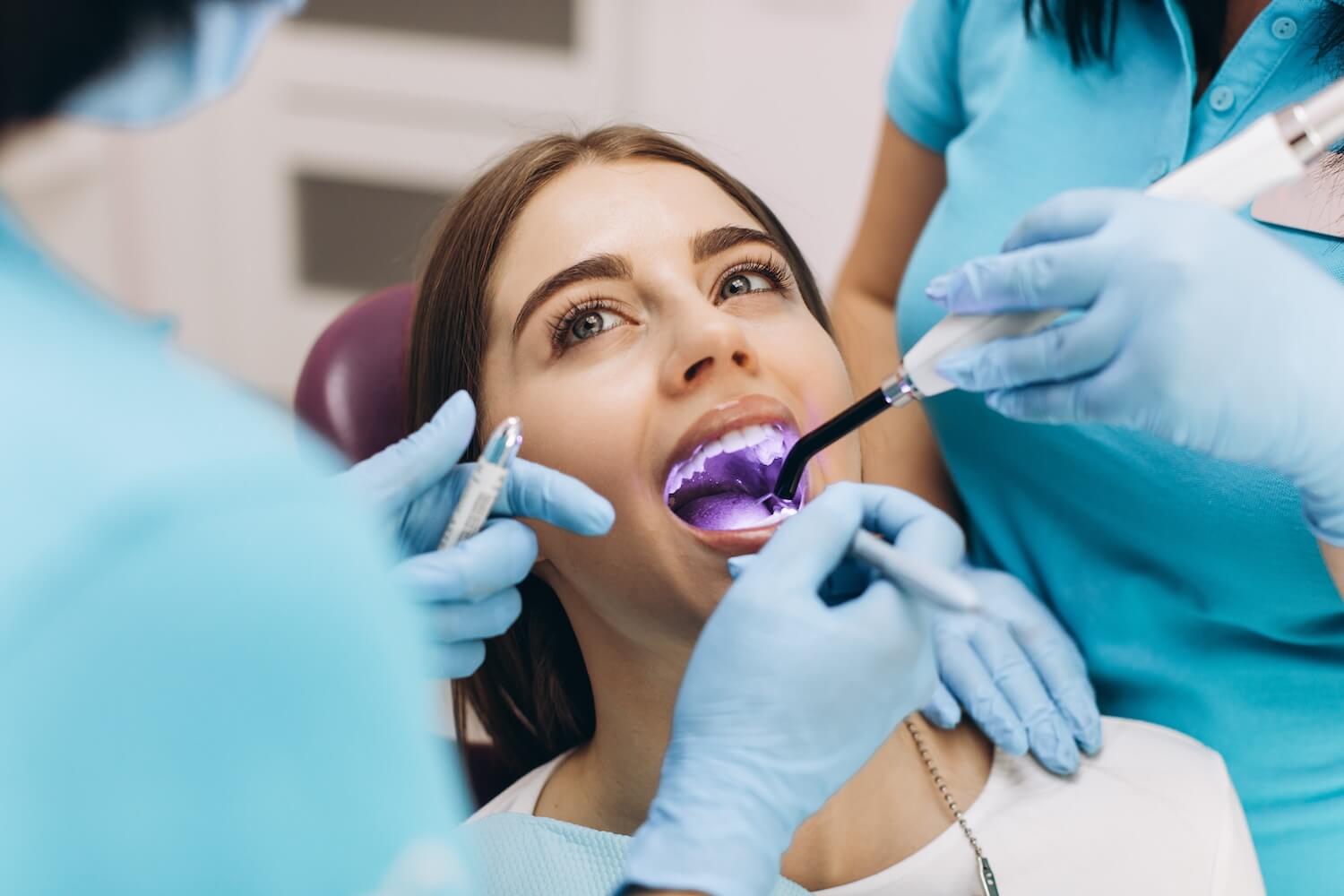
The dentist then meticulously removes the decayed tissue and cleans the cavity to ensure no bacteria remain. The composite resin is applied in thin, precise layers. Each layer is shaped to mimic the natural contours of the tooth and then hardened instantly using a specialized curing light. This layering technique ensures a perfect fit and a strong, durable bond. After the final layer is set, the dentist polishes the restoration to a smooth finish that matches the luster of natural enamel and checks the patient’s bite to ensure total comfort.
For patients who already have old silver fillings and wish to have them replaced, the process requires an even higher level of care. Because removing amalgam can release mercury vapor, it is essential to follow strict safety protocols. These dentistry protocols, often referred to as SMART (Safe Mercury Amalgam Removal Technique), involve using specialized equipment to protect the patient, the dental staff, and the environment from mercury exposure during the removal process.
The Long-Term Dental Benefits of Biocompatible Choices
Investing in tooth-colored fillings is a commitment to the long-term longevity of your smile. These restorations are designed to wear very much like natural teeth, providing a durable solution that can last for many years with proper maintenance. Because they are so versatile, they can be used for more than just cavities; they are also excellent for repairing small cracks, chipped edges, or surfaces worn down by grinding or erosion.
Maintaining these restorations is as simple as caring for your natural teeth. Daily brushing with a soft-bristled brush and regular, gentle flossing are essential to prevent plaque buildup around the edges of the filling. It is also wise to avoid excessively hard foods that could stress any tooth, natural or restored. Beyond home care, regular professional cleanings and exams are vital. These appointments allow the dentist to monitor the integrity of the fillings and catch any potential issues before they become major problems.
When you choose a practice that understands the link between oral and total body health, you are choosing a treatment partner in your long-term wellness. Smiles By Shields in Jacksonville offers this type of comprehensive, integrative care, ensuring that every restoration is not just a fix for a tooth, but a step toward a healthier, more vibrant life.
Frequently Asked Questions
Are tooth-colored fillings strong enough for back teeth?
Absolutely. Modern composite resins and ceramics are engineered to be exceptionally durable. Thanks to advanced bonding technology that fuses the material to the tooth, they are more than capable of withstanding the high-pressure forces of chewing in the back of the mouth.
Is digital imaging really safer than traditional x-rays?
Yes. Digital imaging is a cornerstone of modern, conservative dentistry. It uses significantly less radiation, up to 90% less in some cases, than old-fashioned film x-rays. This allows dentists to get the high-resolution images they need for accurate diagnosis while minimizing the patient’s exposure.
Why should I be concerned about fluoride and mercury?
From an integrative health perspective, both mercury and fluoride are considered neurotoxins. Mercury, which makes up half of a silver filling, can release vapors that accumulate in the body over time. By choosing restorations that are fluoride-free and mercury-free, you eliminate these potential systemic risks from your dental care.
How long does it take to get a tooth-colored filling?
The procedure is typically very efficient. Most fillings can be completed in a single visit. The process of layering and curing the resin with a special light allows the restoration to be hardened instantly, meaning you can often eat and drink normally shortly after leaving the office.
Can these fillings help with tooth sensitivity?
One of the major benefits of composite resin is that it does not conduct heat like metal does. Many patients find that replacing old metal fillings with tooth-colored ones significantly reduces their sensitivity to hot and cold foods.
Modern Natural Dental Fillings Conclusion
The evolution of dental restorations from dark silver to seamless, tooth-colored materials represents a major victory for both patient health and confidence. We no longer have to choose between a functional repair and a beautiful smile. By utilizing materials that bond directly to the tooth, conserve healthy structure, and avoid the use of systemic toxins, modern dentistry offers a path that is both restorative and protective. Whether you are addressing a new cavity or looking to replace aging, metallic restorations, the choice of biocompatible materials is an investment in a vibrantly healthy lifetime. Choosing a practice that understands these nuances ensures that your smile remains a true reflection of your health and your joy.